 Tampa Window
 The Real Climate Test for Siding in Temple Terrace
Temple Terrace sits inland from Tampa Bay, but "inland" doesn't mean sheltered. Homes here still take the full brunt of a Central Florida exterior season: months of intense, direct UV that bakes painted and vinyl surfaces from spring through fall, sudden wind-driven downpours that force rain sideways into wall assemblies, and tropical storm or hurricane winds that test every fastener and seam in a siding system. Add in the salt-laden air that drifts inland from Tampa Bay and the Gulf on a humid breeze, and you have a combination that few siding products are actually engineered to survive long-term.
This isn't a generic "hot climate" problem. It's a specific set of stresses — heat-cycling, moisture intrusion, UV degradation, and wind load — that all hit a home's exterior at the same time, year after year. Siding that looks fine in a showroom in a mild climate can fail in Hillsborough County in a fraction of the time. That's the standard we install to.
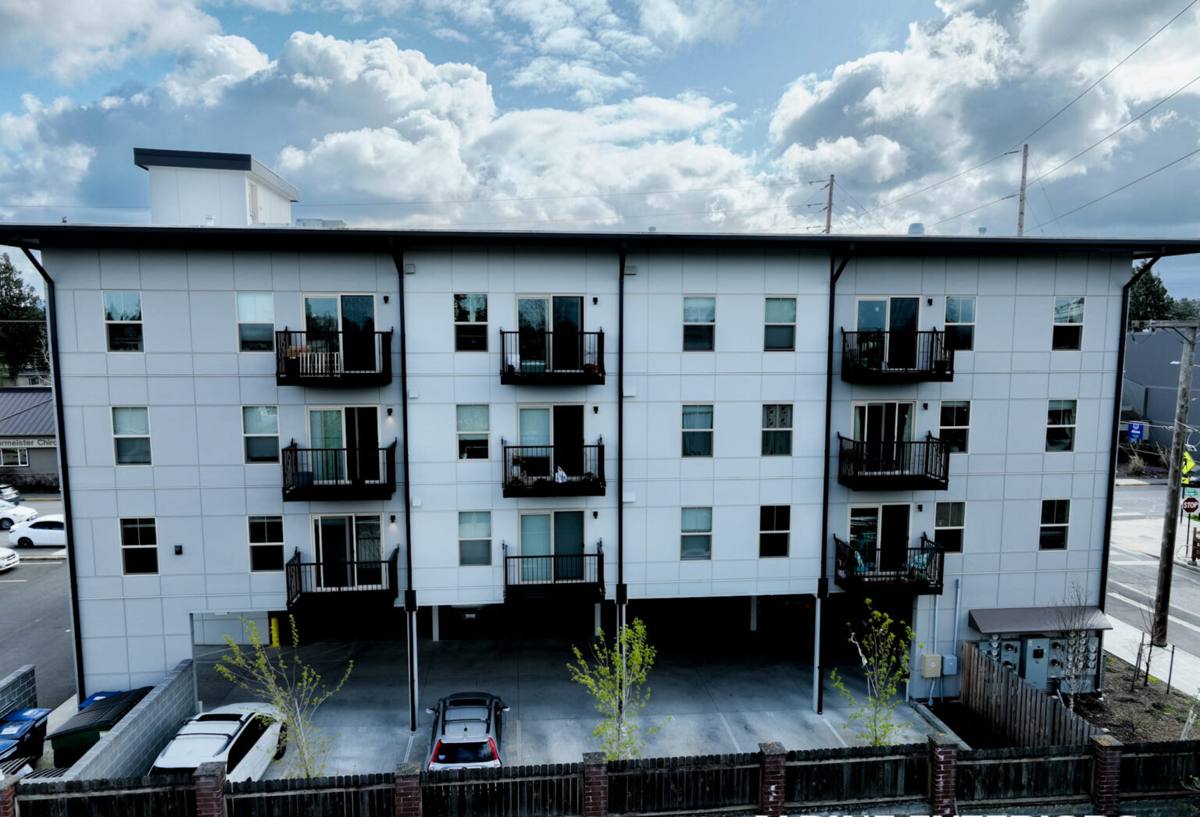
Why We Only Install James Hardie Fiber Cement
We don't offer vinyl, LP SmartSide, or other engineered wood or composite siding products. We install James Hardie fiber cement exclusively, on every job, in every neighborhood we work — including Temple Terrace. That's not a marketing angle; it's a decision based on what actually holds up under Florida conditions without turning into a maintenance project for the homeowner.
HardieZone Engineering for Florida
James Hardie manufactures its siding in different formulations for different climate zones under its HardieZone system, and the HZ5 line is engineered specifically for humid, storm-prone, high-moisture regions like the Tampa Bay area. That means the product's density, moisture resistance, and freeze-thaw behavior (not usually a Florida concern, but it affects the underlying formulation standards) are matched to what a Hillsborough County home actually experiences, rather than a one-size-fits-all national product.
ColorPlus Factory Finish vs. Field Paint
Fiber cement siding painted on-site is only as good as that paint job, and Florida UV is hard on field-applied coatings. James Hardie's ColorPlus Technology bakes a multi-coat finish onto the board at the factory under controlled conditions, which holds color and resists fading, chipping, and moisture intrusion at the finish layer far better than a job-site paint application. It also means touch-up and caulk-matching is simpler when trim work is needed later.
Signs Your Current Siding Is Losing the Battle
Before we ever talk about a full siding replacement, it's worth knowing what to actually look for. Florida's climate accelerates certain failure patterns, and catching them early keeps a repair from turning into structural work.
- Soft, spongy, or crumbling spots when you press on the siding, especially near the bottom courses or around windows
- Visible warping, bowing, or buckling panels after heat exposure or storm events
- Paint that's chalking, peeling, or fading unevenly across sun-exposed walls
- Gaps opening up at seams, corners, or trim where caulk has failed
- Persistent mildew or dark staining that returns quickly after cleaning
- Higher cooling bills without another clear cause, which can point to moisture-compromised insulation behind the siding
- Visible rust streaking from corroded fasteners
Any one of these can be isolated and repairable. Several at once, especially on a home that's had the same siding for 15-20+ years, usually means the whole system is due.
What Correct Installation Looks Like
James Hardie siding is only as good as the installation behind it. The product itself is durable, but the majority of premature siding failures we see on fiber cement in this region trace back to installation shortcuts, not the material.
Moisture Management Behind the Boards
A correct installation starts with a weather-resistant barrier and properly integrated flashing at every window, door, and penetration — long before the first board goes up. In a climate that gets wind-driven rain regularly, the drainage plane behind the siding matters as much as the siding itself. Skipping or rushing this step is the single biggest cause of hidden rot and mold behind otherwise good-looking walls.
Fastening and Clearances
James Hardie publishes specific fastener types, spacing, and penetration requirements, along with minimum clearances from rooflines, decks, and grade. These specs exist for a reason: correct fastening is what keeps siding attached in high wind, and correct clearances keep water from wicking into the bottom of the boards. We follow Hardie's installation instructions to the letter because doing otherwise can also void the manufacturer's warranty — something a homeowner usually doesn't discover until it's too late to fix cheaply.
Matching the Right Hardie Product to Your Home
James Hardie makes several distinct product lines, and picking the right one is about the home's architecture and exposure, not just appearance preference.
| Product | Best For | Notes for Temple Terrace Homes |
|---|---|---|
| HardiePlank Lap Siding | Traditional and ranch-style homes | Most common choice; wide profile range, works well with the area's mid-century and traditional housing stock |
| HardieShingle | Accent areas, gables, coastal-style homes | Gives a shingle look without the moisture and pest issues of real wood shingles |
| HardiePanel | Modern facades, porch ceilings, accent walls | Clean vertical lines; often paired with trim boards for a contemporary look |
| HardieTrim | Corners, fascia, window/door surrounds | Matched fiber cement trim avoids the rot issues of wood trim in humid conditions |
Most Temple Terrace projects we scope use HardiePlank as the primary field siding with HardieTrim throughout, sometimes with a HardieShingle accent on a gable or porch feature. We'll walk through what fits your home's style and sun/wind exposure during the estimate.
What Drives the Cost of a Temple Terrace Siding Project
Every home is different, so we won't quote a number without seeing the property, but these are the factors that actually move the price up or down on a fiber cement siding job in this area.
| Factor | Why It Matters |
|---|---|
| Home size and number of stories | More square footage and second-story work increase both material and labor time |
| Condition of the substrate underneath | Rotted sheathing or hidden moisture damage found during tear-off adds repair scope |
| Siding profile and trim complexity | Simple lap siding installs faster than detailed trim, shingle accents, or multiple profiles |
| Full tear-off vs. removal complexity | Multiple layers of old siding or brittle materials take longer to remove safely |
| Color and finish selection | Standard ColorPlus colors are typically more cost-efficient than custom field-painted finishes |
| Access and site conditions | Landscaping, fencing, or tight lot lines can add setup and protection time |
Our Process From Estimate to Finished Wall
- On-site assessment — we walk the exterior, check for moisture damage, and measure for an accurate material takeoff
- Product and color selection — we go through Hardie product lines, profiles, and ColorPlus color options based on your home's style
- Written estimate — a clear scope of work and price, with no vague allowances
- Tear-off and substrate check — old siding comes off and we inspect sheathing before closing anything back up
- Weather barrier and flashing — the moisture management layer goes in correctly before a single Hardie board is hung
- Installation to manufacturer spec — proper fastening, spacing, and clearances throughout
- Trim, caulking, and final detailing — the finish work that determines how clean the job looks up close
- Final walkthrough — we go over the finished work with you before calling the job done
Why Local Experience in Temple Terrace Matters
A crew that regularly works in and around Temple Terrace already understands the practical realities of the area — established neighborhoods with mature tree canopy that affects site access and cleanup, homes of varying ages and construction types that each need their own moisture and substrate check, and the Hillsborough County permitting and inspection process for exterior work. That familiarity shows up in fewer surprises mid-project and a faster, smoother permitting process, because we're not learning the area's quirks on your job.
It also matters for something less obvious: accountability. A contractor with an ongoing presence in this community has a reputation to protect here specifically, not just a general service area on a map.
Caring for Hardie Siding After Installation
Correctly installed James Hardie siding is low-maintenance, not zero-maintenance. A little routine attention keeps it performing for decades in this climate:
- Rinse the exterior periodically with a garden hose to clear salt residue, pollen, and grime buildup
- Avoid high-pressure power washing directly at seams and caulk lines, which can force water behind the boards
- Inspect caulking at trim joints and penetrations annually and re-caulk as needed
- Trim back landscaping and tree limbs that hold moisture against the siding or create abrasion in wind
- Address any impact damage or cracked boards promptly rather than letting moisture find its way in
If you're weighing a siding replacement or repair for a Temple Terrace home, we're glad to take a look and give you an honest read on what your home actually needs. Request a free, no-pressure estimate using the form below.