 Tampa Window
 Why Siding Takes a Harder Hit in Town 'n' Country
Town 'n' Country sits in the western part of Hillsborough County, close enough to Tampa Bay that homes here deal with a specific combination of stresses most inland Florida towns don't see all at once. Summers bring months of intense, direct UV exposure that bakes exterior surfaces day after day. That same humidity keeps wood and wood-composite products damp longer than they should be, which is exactly the condition that lets rot, swelling, and mold take hold behind the surface. Add in wind-driven rain during the wet season and the salt-laden air that drifts inland off the Gulf, and you've got a climate that's genuinely tough on building materials.
Hurricane season is the other half of the equation. Even when a storm doesn't make a direct hit, Hillsborough County regularly sees tropical-storm-force gusts, and siding takes the brunt of that wind load directly. Panels that are under-fastened, poorly lapped, or made from a material that wasn't engineered for this kind of climate are the ones that end up cracked, warped, or torn loose. None of this means siding can't last decades in Town 'n' Country — it means the material and the installation both have to be right for the conditions, not just for the budget.
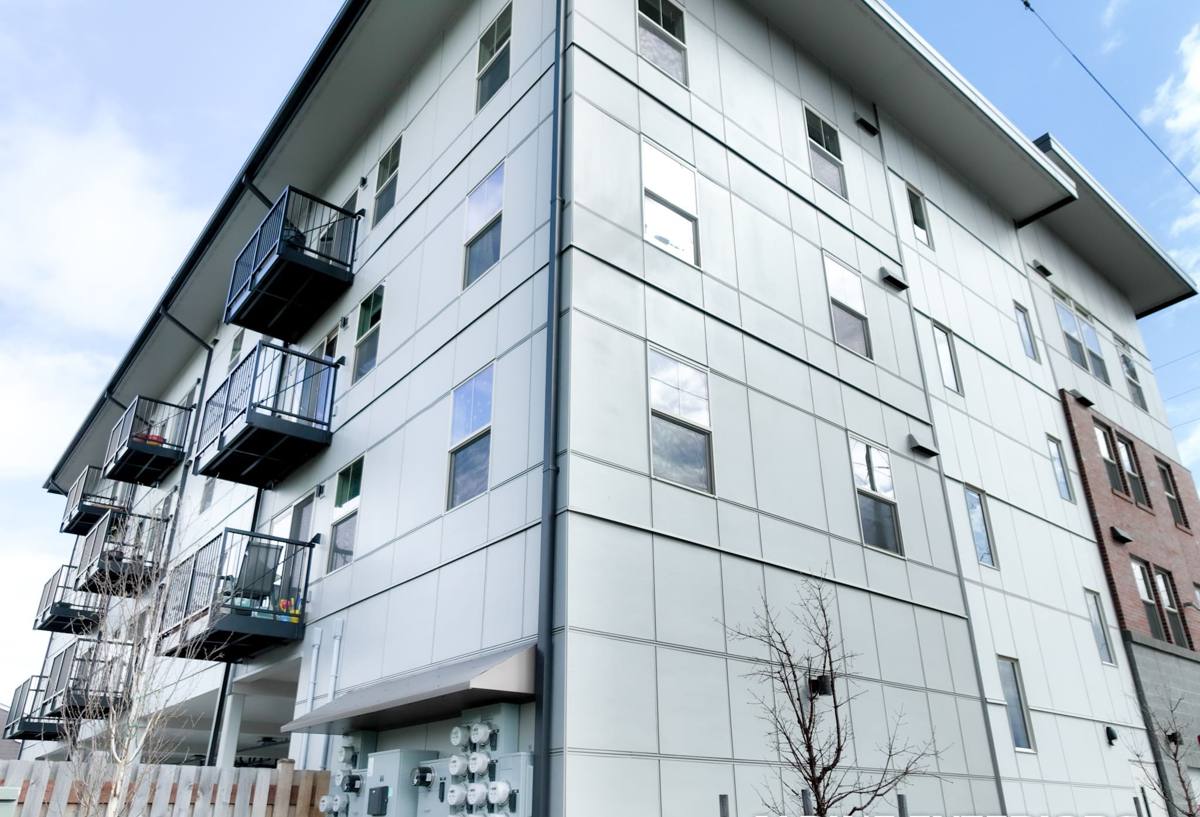
Signs Your Siding Has Reached the End of Its Service Life
Most homeowners don't wake up one day and decide they need new siding — the signs build up gradually, and it's easy to write them off as cosmetic. In this climate, a few of them are worth taking seriously before they turn into a bigger repair.
- Visible cracking, buckling, or warping, especially on walls that get the most afternoon sun or the most wind exposure
- Soft or spongy spots when you press on the siding, which usually means moisture has gotten in behind it
- Paint that's chalking, peeling, or fading unevenly across the house
- Gaps opening up at seams, corners, or around window and door trim
- Rising energy bills that can't be explained by anything else — siding that's failed as a weather barrier lets conditioned air and outside heat move more freely
- Visible mold, mildew, or a musty smell along interior walls that back up to exterior siding
- Siding that's more than 20-25 years old, particularly if it's an older wood or wood-composite product
Any one of these on its own might just call for a repair. Several at once, or damage that's spread across multiple walls, usually means it's more cost-effective to replace than to keep patching.
What a Correct Siding Replacement Actually Involves
Siding replacement is not just pulling off old panels and nailing up new ones. The work that happens underneath the visible surface is what determines whether the new siding lasts 5 years or 40.
Tear-Off and Inspection
Once the old siding comes off, the sheathing underneath gets a real inspection — not a glance. This is the point where hidden water damage, soft plywood, or compromised framing shows up, and it's far cheaper to deal with while the wall is already open than to discover it later. Any damaged sheathing gets replaced before anything new goes up.
Moisture Barrier and Flashing
A weather-resistant barrier goes over the sheathing, and flashing gets installed at every point where water tries to find a way in — around windows, doors, roof lines, and any wall penetrations. In a climate with this much wind-driven rain, this layer matters as much as the siding itself. Skipping or rushing it is one of the most common causes of siding failure, regardless of which material is on the outside.
Fastening and Finish
Fastener type, spacing, and placement all have to match the manufacturer's specifications for wind resistance — this isn't a place to eyeball it. Joints and seams get sealed correctly, trim gets fitted tightly, and the finished product should look uniform with no visible gaps at corners or transitions.
Choosing the Right Material for This Climate
Not every siding product handles Tampa Bay's combination of heat, humidity, and wind the same way. Here's how the main options typically compare for a home in this area.
| Material | Moisture Resistance | Wind/Impact Resistance | UV/Color Retention | Typical Lifespan Here |
|---|---|---|---|---|
| Vinyl | Doesn't rot, but seams and panels can warp or crack in heat and high wind | Can crack or blow off in strong gusts; brittleness increases with sun exposure over time | Fades and chalks over time, especially in darker colors under constant sun | 15-20 years, often less on sun-heavy walls |
| Engineered wood (e.g. LP-style) | Vulnerable to moisture if edges or seams aren't perfectly sealed and maintained | Reasonable if installed and maintained correctly | Requires field paint that needs recoating on a regular cycle | Highly dependent on ongoing maintenance |
| Fiber cement (James Hardie) | Non-combustible, engineered for humid climates, resists swelling and moisture intrusion when installed correctly | Dense material holds up well to wind-driven debris and sustained gusts | Factory-applied ColorPlus finish is baked on and resists fading far longer than field paint | 30+ years with proper installation and basic upkeep |
Every one of these materials has a legitimate place in the market, and none of them is "bad." But we've made a deliberate call about what we put on homes in this climate specifically.
Why We Install Only James Hardie Fiber Cement
We don't install vinyl, engineered wood products, or unfinished wood siding, and that's a standard we hold ourselves to, not a knock on any one manufacturer. In a market with this much sun, humidity, and wind, we've found the trade-offs on those other products — seam sensitivity, recoating schedules, heat-related warping — create more callbacks and more homeowner headaches down the road than we're willing to sign our name to.
James Hardie's fiber cement is non-combustible, holds up structurally to sustained wind and impact better than lighter materials, and comes from the factory with a baked-on ColorPlus finish instead of field-applied paint that starts breaking down the moment Florida sun hits it. Hardie also engineers specific product formulations by climate zone, which means the boards installed on a home in Hillsborough County are built differently than ones meant for a dry or cold-climate market. Combined with a strong transferable warranty, it's the product we're comfortable standing behind for the long haul.
Our Siding Replacement Process, Start to Finish
- On-site inspection and estimate — we look at your current siding, sheathing condition (where visible), and any problem areas before quoting anything.
- Material and color selection — you choose from Hardie's plank, shingle, or panel lines and ColorPlus color options based on your home's style.
- Permitting — we handle the permit process through Hillsborough County so the job is documented and inspected correctly.
- Tear-off and sheathing inspection — old siding comes off and any hidden damage gets addressed before new material goes up.
- Weather barrier, flashing, and installation — installed to manufacturer spec, with attention to every seam, corner, and penetration point.
- Cleanup and final walkthrough — job site is cleared, and we walk the finished exterior with you before considering the job complete.
- Warranty registration — your project gets registered so the manufacturer's warranty is properly in place.
Permits and Wind Requirements in Hillsborough County
Siding replacement in unincorporated Hillsborough County, which includes Town 'n' Country, requires a permit, and the installation has to meet Florida Building Code wind-load provisions for our region. That covers things like fastener type and spacing, not just the material itself. A contractor who's unfamiliar with these requirements can end up with a job that looks fine on day one but fails inspection, or worse, fails in the next storm. Pulling permits correctly also matters if you ever sell the home — undocumented exterior work is a common issue that surfaces during a real estate inspection.
Why Hire a Crew That Already Works in Town 'n' Country
A contractor who regularly works this specific area knows the older housing stock common here, the typical wall assemblies from different building eras, and the permitting process at the county level without having to learn it on your project. That familiarity shows up in small but real ways — fewer surprises during tear-off, a faster permit turnaround, and a crew that isn't guessing at how the local climate should influence the details of the installation. It also means there's a real, findable business behind the work if you ever need a warranty question answered or a follow-up visit years down the line.
Questions Worth Asking Before You Sign a Contract
- Are you licensed and insured to do exterior work in Hillsborough County?
- Will you pull the permit yourselves, and is that included in the quote?
- What brand and product line of siding are you proposing, and why?
- What does your installation warranty cover, separate from the manufacturer's warranty?
- Can you walk me through what happens if you find damaged sheathing once tear-off starts?
What Drives the Cost of a Siding Replacement Here
| Cost Factor | Why It Matters |
|---|---|
| Home size and number of stories | More surface area and more complex access (ladders, lifts) directly affect labor |
| Condition of existing sheathing | Hidden rot or water damage found during tear-off adds repair work before new siding can go up |
| Number of corners, windows, and trim details | More cuts, seams, and flashing points mean more labor time per square foot |
| Siding profile and color choice | Different Hardie plank widths, textures, and ColorPlus colors carry different material costs |
| Removal and disposal of old siding | Heavier or harder-to-remove materials take more time and disposal cost than others |
Because every home's exposure, layout, and current siding condition are different, the only way to get a real number is with an on-site look — anyone quoting a firm price over the phone is guessing.
If your Town 'n' Country home's siding is showing its age or you just want a straight answer about what shape it's in, we're happy to take a look. The estimate is free, there's no pressure to move forward, and you'll get a clear explanation of what we see and why.