 Tampa Window
 Seminole Heights' Climate Puts Real Stress on Siding
Seminole Heights sits inside the city of Tampa, in Hillsborough County, which means every exterior surface on a home here has to hold up to the same demanding combination of conditions the rest of the Gulf Coast deals with: hurricane-force winds during storm season, wind-driven rain that gets forced sideways into seams and joints instead of falling straight down, intense UV exposure for most of the year, and salt-laden air moving in off Tampa Bay. Individually, none of these is unusual for a Florida home. Together, they punish siding and installation work that wasn't built for the combination — and problems that might take decades to show up in a drier, milder climate often show up here in a few storm seasons.
Siding has one core job: keep water, wind, and sun off the structure of the house. When it's the wrong material, or installed without attention to Florida-specific detailing, it fails at that job in predictable ways — swelling, cracking, fading, or pulling loose exactly when a storm puts it to the test.
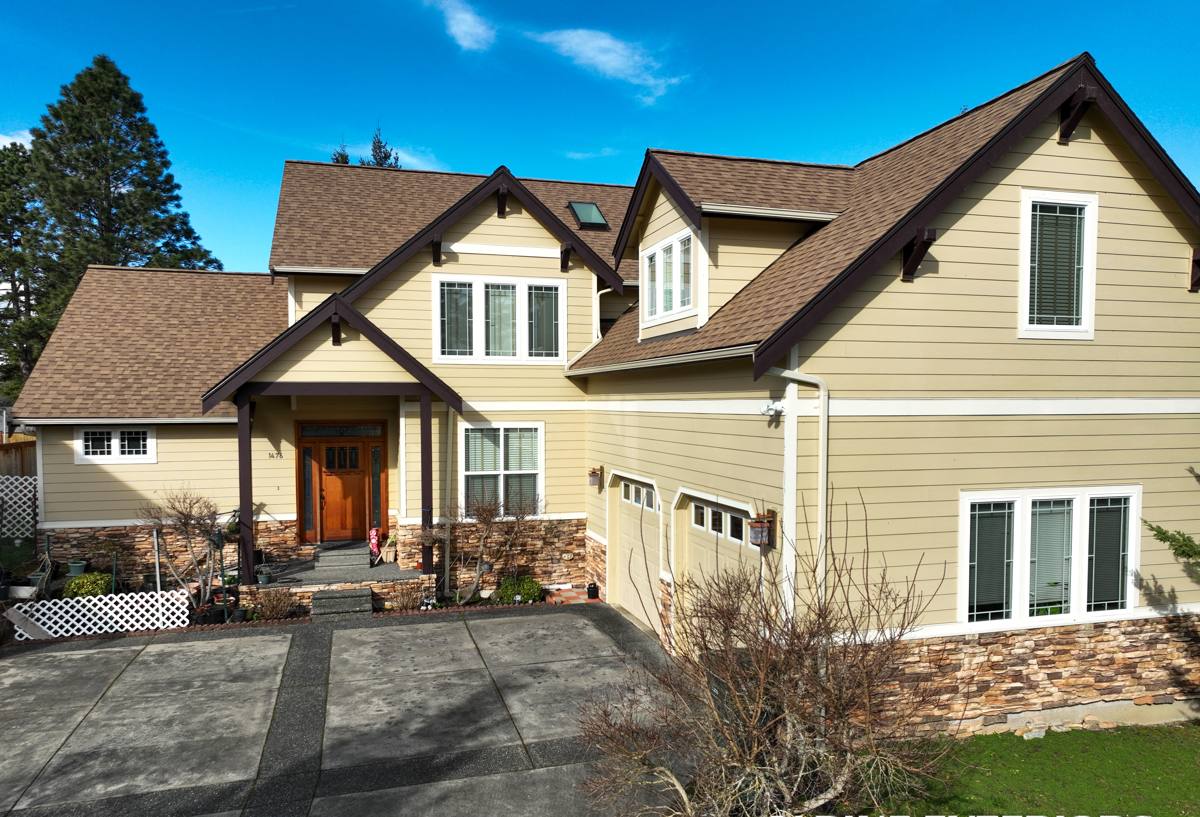
The Mix of Homes You'll Find in Seminole Heights
Seminole Heights is one of Tampa's older established neighborhoods, and it's known for a mix of early-20th-century bungalow and craftsman-style homes alongside newer infill construction and renovated properties. That mix matters when it comes to siding, because an older home and a newer one often need a different starting point before any new siding goes up.
Older Frame Homes
Homes from this neighborhood's earlier building era were often framed and sided differently than what's built today, and many have already been re-sided at least once. Before any tear-off begins, a competent contractor should evaluate what's actually on the walls and what condition the sheathing and framing are in underneath it — not just quote a price off a drive-by look. If your home was built decades ago, that inspection step isn't optional; it determines whether you're dealing with a straightforward re-side or one that needs substrate repair first.
Newer and Renovated Homes
Newer builds and recently renovated homes in the neighborhood may already have vinyl, engineered wood, or fiber cement siding on them, and the reason for a new installation is more often storm damage, sun-related deterioration, or simply reaching the end of the product's useful life. These jobs are usually more straightforward, but they still deserve the same attention to correct installation detail as an older home — a good product installed poorly fails the same way a poor product does.
What Correct Siding Installation Actually Requires
Siding is a system, not just a surface. The plank or panel you see is the last of several layers that all have to work together, and skipping or rushing any one of them is where most siding failures start.
Weather-Resistive Barrier and Flashing
Underneath the siding, a continuous weather-resistive barrier (housewrap) is what actually keeps incidental moisture from reaching the wall sheathing. Flashing at every window, door, and penetration has to be layered correctly — lapped so water sheds outward and down, never trapped behind the siding. In a climate where wind-driven rain is a regular event rather than a rare one, gaps in this layer are the single most common cause of long-term water damage behind siding that looks fine from the street.
Fastening for Florida Wind Loads
Fastener type, length, and spacing all need to match the manufacturer's requirements for the wind exposure and design pressure the home actually faces — not a generic, one-size-fits-all schedule. Under-fastened siding is one of the first things to fail in a high-wind event, and it's invisible until the wind actually tests it.
Sealant, Trim, and Finish Details
Sealant belongs at specific joints called for by the manufacturer, not smeared everywhere as a catch-all — over-sealing can trap moisture instead of shedding it. Trim, corners, and butt joints need consistent reveals and gaps sized for the material's expansion and contraction, and any cut edges have to be sealed and finished per spec so they don't become the weak point in an otherwise sound installation.
Why We Install Only James Hardie Fiber Cement
We standardized on James Hardie fiber cement siding because it holds up to this specific climate better than the alternatives, not because it's the only product on the market. Hardie's HZ5 formulation is engineered for hot, humid climates like Tampa's — it resists moisture-related swelling and warping the way wood-based products can't, it's non-combustible, and its factory-applied ColorPlus finish is baked on to resist the fading that constant Florida UV causes on field-painted or lower-grade finishes. It carries a strong, transferable manufacturer warranty when installed to spec, which matters to a future buyer as much as it does to you.
Why We Don't Install Vinyl, LP SmartSide, or Wood/Cedar
Vinyl siding is affordable and easy to install, but it's a thin plastic product that expands and contracts significantly with heat, can warp under reflected sun exposure, and has less impact resistance against wind-driven debris than fiber cement — and its color is molded in, so once it fades there's no refinishing it. LP SmartSide is an engineered wood product, and like any wood-based siding, its long-term performance depends heavily on every cut edge and seam staying perfectly sealed; in a humid coastal climate, that's a maintenance burden we're not willing to put a homeowner's investment behind. Primed wood and cedar siding can look excellent, but they carry the highest maintenance load of any option — regular repainting or staining, and real vulnerability to rot and insect damage in a climate this humid. We'd rather stand behind one product we trust completely than install several we'd have to caveat.
Comparing Siding Materials for a Seminole Heights Home
| Material | Humidity/Moisture Resistance | UV & Color Retention | Wind/Impact Resistance | Maintenance |
|---|---|---|---|---|
| James Hardie Fiber Cement | Engineered for humid climates (HZ5) | Factory ColorPlus finish resists fading | Non-combustible, dense, storm-tested profiles | Low — no repainting for years when maintained per spec |
| Vinyl | Doesn't rot, but seams can trap moisture | Color molded in; fades over time, can't be refinished | Can warp in heat; lower impact resistance | Low, but limited lifespan in intense sun |
| LP SmartSide (engineered wood) | Sensitive at cut edges/seams if not fully sealed | Requires field-applied paint upkeep | Good structurally when properly maintained | Moderate to high — sealing and repainting needed |
| Wood/Cedar | Prone to swelling, rot in humid climates | Fades and weathers without regular refinishing | Good if maintained; vulnerable when neglected | High — regular staining/painting required |
Our Installation Process, Start to Finish
- Inspection and wall assessment — we evaluate the existing siding, sheathing, and framing condition before quoting the job.
- Removal of old siding — full tear-off, with any substrate repair identified during inspection addressed before anything new goes up.
- Weather-resistive barrier installation — a continuous, properly lapped housewrap across the entire wall surface.
- Flashing at every penetration — windows, doors, vents, and any other wall penetration get flashed to shed water outward.
- Hardie panel or plank installation — installed per James Hardie's published fastening and clearance specifications for this wind exposure.
- Trim, corners, and joint finishing — consistent reveals, correctly sized gaps, and sealant only where the manufacturer calls for it.
- Final inspection and walkthrough — we go over the finished job with you before calling it complete.
What Affects the Cost of a Siding Project
| Factor | Why It Matters |
|---|---|
| Home size and number of stories | More wall area and more difficult access both add labor time |
| Condition of existing siding | Rotted sheathing or framing found during tear-off adds repair scope |
| Siding profile chosen | Lap, shingle, and panel styles differ in material and installation time |
| Trim and architectural detail | More corners, gables, and accents mean more precision work |
| Site accessibility | Fencing, landscaping, and tight lot lines can slow staging and setup |
| Disposal of old material | Full tear-off jobs require proper removal and hauling of the old siding |
We give a written, itemized estimate before any work starts, so you know exactly what's driving the number on your specific home.
Choosing a Siding Contractor in Seminole Heights: A Homeowner's Checklist
- Confirm they carry current licensing and insurance for exterior work in Hillsborough County
- Ask whether they pull permits for siding replacement, not just for larger renovations
- Ask which fastening schedule and wind rating they're building to for your home's exposure
- Ask how they inspect and handle substrate issues discovered during tear-off, before work starts
- Get the manufacturer's material warranty and the contractor's labor warranty in writing
- Ask for a written, itemized estimate rather than a single lump-sum number
- Ask how they'll handle removal and disposal of your old siding
Why Local Experience in Seminole Heights Matters
A crew that already works this neighborhood knows what to expect before they show up: the age range of the housing stock, the kinds of substrate issues that tend to turn up under old siding here, and the permitting process through the City of Tampa and Hillsborough County. Some pockets of Seminole Heights carry local historic-district designations that can add a layer of review for exterior changes — it's worth checking on your specific property before assuming any siding profile is automatically approved, and a contractor who's navigated that before can save you time. Local experience also means faster warranty service if something ever needs a look after a storm, instead of waiting on a crew that has to drive in from outside the area.
If you're weighing a siding project for your Seminole Heights home, we're happy to take a look and give you a straightforward, no-pressure estimate — no obligation, just an honest read on what your home actually needs.