 Tampa Window
 Why Composite Decking Makes Sense for Seminole Heights Homes
Seminole Heights is one of Tampa's older, established neighborhoods, and that shows up in the decks we get called out to fix or replace. Many of the homes here are bungalow-era construction with additions and porches built onto them over the decades, and a lot of the original outdoor structures were built with materials and fastening methods that just weren't made for Florida's climate over the long haul. Hillsborough County sits in a hurricane-exposed zone, gets some of the most intense year-round UV in the continental U.S., and swings between soaking wet-season downpours and long dry stretches. That combination is hard on any exterior material, and it's especially hard on traditional wood decking.
Composite decking holds up better against that mix because it doesn't absorb moisture the way wood does, doesn't need annual sealing or staining, and resists the graying, splintering, and cupping that shows up on pressure-treated boards within a few Tampa summers. That's not a claim that composite is maintenance-free or indestructible — it isn't — but for a neighborhood with mature tree canopy, humid air, and intense sun exposure, it's a materially better fit than it was even ten years ago when early composite products had real moisture and fading problems.
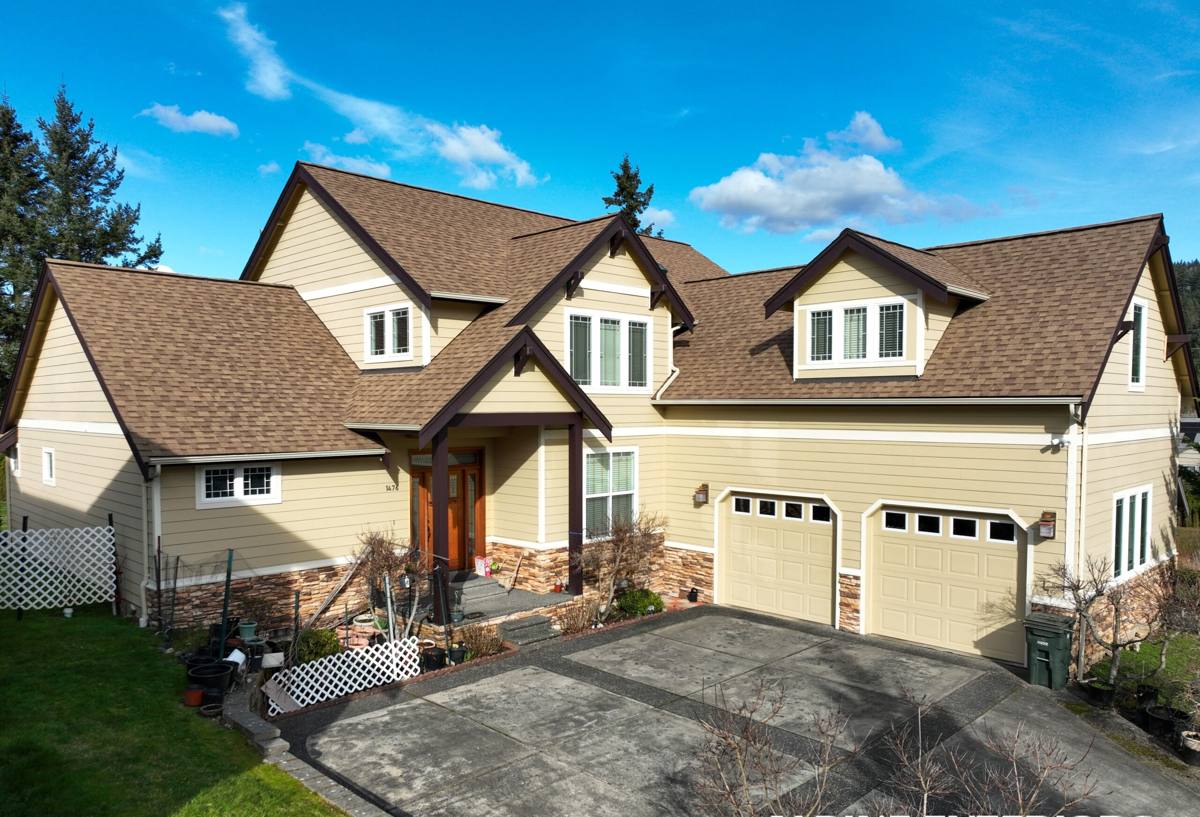
What Seminole Heights' Older Homes Mean for a Deck Build
Ledger Attachment on Older Framing
A composite deck is only as good as what it's fastened to. On newer construction, attaching a ledger board to the house is straightforward. On many Seminole Heights homes, we're tying into older wood-frame structures, sometimes with additions or porch conversions that were done at different times by different builders. Before we ever talk decking material, we check the condition of the rim joist and framing the deck will attach to, confirm it can take proper structural fasteners and flashing, and address any rot or undersized framing we find. Skipping this step is the single biggest reason decks fail in a storm, regardless of what decking board is on top.
Tree Canopy and Moisture
The mature oak canopy that gives a lot of Seminole Heights streets their character also means more shaded, slow-to-dry areas under and around a deck. Shade plus Tampa humidity is a good recipe for mold and mildew on any surface, wood or composite. We account for this with proper drainage slope, adequate gaps between boards for airflow, and joist tape or flashing that keeps water from sitting on the substructure. A composite board with a fully capped surface resists staining better than uncapped boards or wood in these shaded, damp spots, but board selection doesn't replace a substructure built to shed water.
Composite vs. Wood vs. PVC — Which Handles Tampa's Climate
| Material | UV / Fading Resistance | Moisture Behavior | Maintenance | Typical Lifespan Here |
|---|---|---|---|---|
| Pressure-treated wood | Fades and grays within 1-2 seasons | Absorbs water, prone to cupping/splitting in wet-dry cycles | Annual sealing/staining recommended | 10-15 years with upkeep |
| Capped composite | Good, varies by brand and color | Doesn't absorb water like wood; can trap surface moisture if not vented properly | Periodic cleaning, no sealing/staining | 25+ years |
| Cellular PVC | Very good | Essentially non-absorbent | Low; can show flex/expansion if not fastened correctly | 25+ years |
We install composite most often in this neighborhood because it balances cost, appearance, and climate performance better than either alternative for most homeowners. PVC has its place, but it expands and contracts more with Tampa's heat swings, which means fastening tolerances matter even more. Wood is still the least expensive option up front, but the maintenance burden in this climate is real, and we're honest with clients about that trade-off rather than steering everyone to the same product.
What a Correct Composite Decking Installation Involves
Composite boards are more forgiving than wood in some ways and less forgiving in others. The board itself won't rot, but it will telegraph problems in the substructure or fastening pattern over time — waviness, soft spots, or fastener pop are usually installation issues, not product defects. A correct install in our climate includes:
- Pressure-treated or engineered joists spaced to the composite manufacturer's spec (often tighter than standard wood-decking spacing)
- Joist tape or a moisture barrier on top of every joist to stop water intrusion into the framing
- Stainless steel or coated structural fasteners and hardware rated for coastal/humid exposure, not standard interior-grade hardware
- Hidden fastener clip systems or manufacturer-approved screws installed to the specified gap for thermal expansion
- Hurricane-rated ledger attachment and post connections, with proper flashing where the deck meets the house
- Adequate under-deck ventilation and drainage slope away from the foundation
Every one of those items matters more here than it would in a drier, calmer climate. Wind-driven rain during Tampa's storm season finds gaps in flashing that would never get tested in a milder region, and gusts during even a moderate tropical system put real lateral load on ledger and post connections.
Permitting and Historic District Considerations
Deck construction in the City of Tampa and unincorporated Hillsborough County generally requires a building permit, and inspections at key stages of construction. Because parts of Seminole Heights fall within recognized historic districts, some exterior projects are subject to additional design review depending on visibility from the street and the scope of work. Requirements can vary by specific property and district, so we don't guess — we pull the actual requirements for your address before work starts rather than assuming a blanket rule applies neighborhood-wide. Skipping permitting on a deck is a common shortcut some contractors take to move faster, and it's one we don't take, because an unpermitted deck can create real problems at resale and with insurance claims after storm damage.
Our Process, Start to Finish
- On-site evaluation — we look at the existing structure (or the space where a new deck is planned), check what it will attach to, and note any drainage, tree-root, or access issues specific to the lot.
- Honest scope and estimate — we walk through material options, realistic cost ranges, and what the substructure work will involve, in plain terms.
- Permit pull — we handle the permit application and any historic district review that applies before any demo or construction begins.
- Demo and structural repair — removal of the old deck or prep of new framing, with any rot or undersized framing addressed before decking goes down.
- Composite installation — boards, hidden fasteners, and trim installed to manufacturer spec, with attention to expansion gaps and drainage.
- Final walkthrough and inspection — we review the finished deck with you and coordinate the final county or city inspection.
What Drives the Cost of a Composite Deck Here
| Factor | Why It Matters in This Area |
|---|---|
| Substructure condition | Older homes often need joist, ledger, or post repair before new decking goes on |
| Deck size and layout | Multi-level decks, curves, or stairs add labor and material |
| Board tier | Entry-level capped composite vs. premium lines with deeper wood-grain finishes and longer warranties |
| Railing and fastening system | Code-compliant, storm-rated railing and hidden fastener systems cost more than basic options but perform better |
| Access and tree removal needs | Mature canopy and tight lots can add time for material staging and root protection |
We give ranges based on your actual project rather than a flat per-square-foot number pulled from a national average, because substructure condition alone can swing the price significantly on an older home.
Maintaining a Composite Deck Through Tampa's Storm Season
Composite is low-maintenance, not no-maintenance. A few habits go a long way toward getting the full lifespan out of the material in this climate:
- Sweep off leaf litter and organic debris regularly, especially under tree canopy where mildew can develop on any surface
- Rinse the deck a few times a year to remove pollen, salt air residue, and surface grime before it builds up
- Check railing posts and fasteners after major storms for movement or loosening
- Keep gutters and downspouts near the deck clear so water isn't dumping directly onto boards or the substructure
- Avoid pressure-washing at high pressure or close range, which can damage the capped surface of most composite boards
Why a Local Crew Matters for This Job
Composite decking is a widely available product, and plenty of contractors from outside the area will install it. The difference with a crew that already works Seminole Heights regularly is familiarity with the specific challenges this neighborhood's housing stock presents — older framing, established trees, drainage patterns on smaller lots, and the historic district review process when it applies. We're not learning Hillsborough County's permitting process or how salt-laden Tampa Bay air affects fastener choice on your project; we've already built that knowledge working other decks nearby. That translates into fewer surprises mid-project and a deck that's actually built for the conditions it has to survive here, not just built to a generic national spec.
If you're considering composite decking for a home in Seminole Heights, we're happy to come take a look, evaluate what you're working with, and give you a straight, no-pressure estimate — just fill out the form below.