 Tampa Window
 Why Brandon Roofs Wear Out Faster Than the National Average
Brandon sits inland from Tampa Bay but still takes the full brunt of what Hillsborough County weather dishes out every year. That means hurricane-force wind gusts during the June-through-November storm season, wind-driven rain that finds every gap in flashing and underlayment, and roughly 230+ days of intense sun that bakes shingles and degrades sealants year-round. Add in salt-laden air that drifts in off the Gulf and Tampa Bay on a humid afternoon, and you've got a combination that ages a roof much faster than the same product would age in a drier, cooler climate.
A roof in this area isn't just a covering — it's the first line of defense for the rest of the house. When it fails, water finds its way into attic insulation, ceiling drywall, and eventually framing, and that damage is almost always more expensive than the roof itself. Replacing a roof correctly, with materials and installation methods matched to what Brandon actually experiences, is the difference between a 20-year roof and one that needs emergency repairs after the first bad storm season.
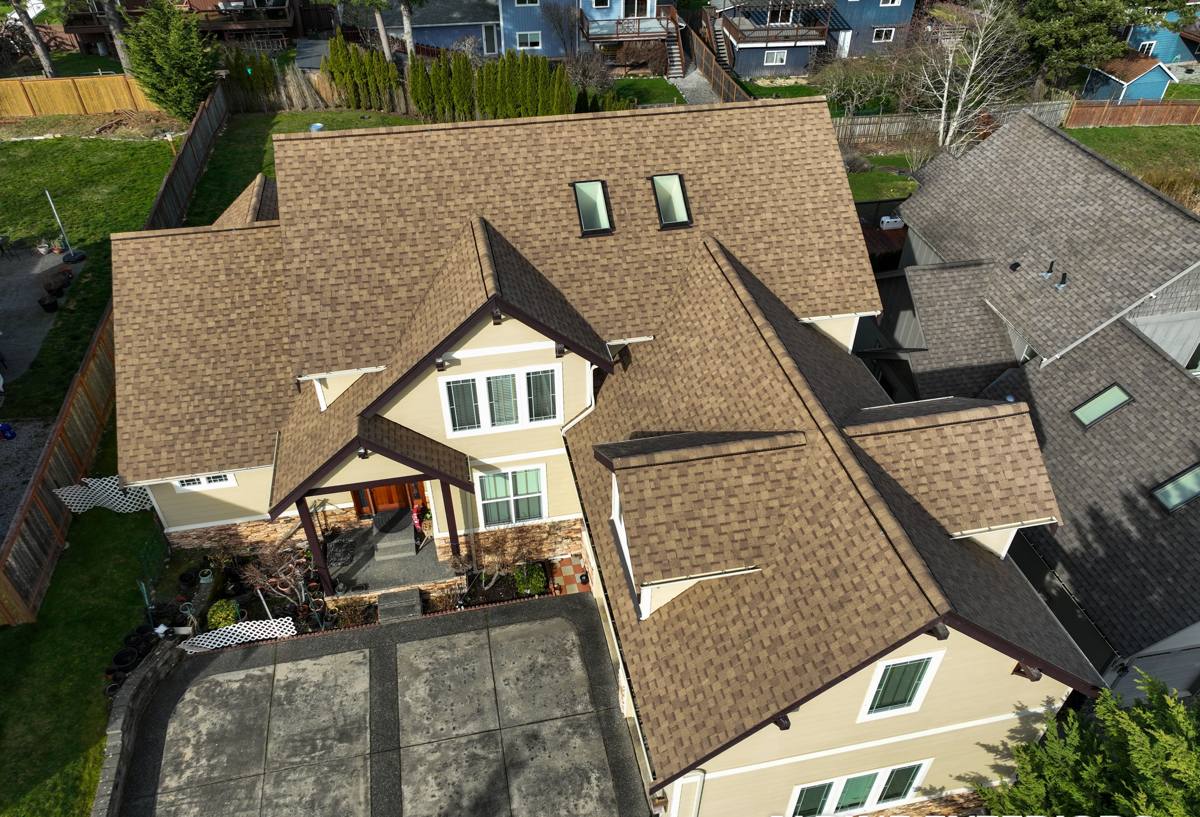
Signs a Brandon Home Needs a Roof Replacement, Not Another Patch
Plenty of roofs get nursed along with repairs for years past the point where that's the smart financial move. Some signs point clearly toward full replacement rather than another round of patching:
- Shingles that are cupping, curling, or missing granules across large sections, not just one spot
- Soft spots or sagging in the roof deck when walked or inspected from the attic
- Repeated leaks in different locations after storms, rather than one recurring leak
- Visible daylight through the roof deck from inside the attic
- A roof approaching or past its manufacturer-rated lifespan, especially if it's never been inspected after a major storm
- An insurance company flagging the roof's age or condition during a policy renewal
If only one or two of these apply, a repair might still make sense. If several apply at once, patching usually just delays a bigger bill and adds risk of interior damage in the meantime.
What a Correct Roof Replacement Actually Involves
A roof replacement done right is not just stripping old shingles and nailing down new ones. In a climate like Hillsborough County's, several steps matter more than they would somewhere with milder weather:
Full Tear-Off and Deck Inspection
Every layer of old roofing comes off down to the deck. This is the only way to actually see the condition of the plywood or OSB underneath — rot, soft spots, and old water damage hide under existing shingles and only show up once they're removed. Any damaged decking gets replaced before anything new goes down; skipping this step is one of the most common shortcuts that leads to early failure.
Underlayment and Secondary Water Barrier
With wind-driven rain a regular occurrence here, the underlayment layer matters as much as the shingles themselves. A synthetic underlayment, combined with self-adhering waterproof membrane at valleys, eaves, and roof penetrations, gives the roof a real second line of defense if wind ever drives water up under the shingle edge.
Flashing at Every Penetration
Chimneys, vents, skylights, and wall-to-roof transitions are where the vast majority of leaks start — not in the open field of the roof. New step flashing, counter-flashing, and pipe boots at every penetration, rather than reusing old flashing, is a basic standard we hold to on every job.
Attic Ventilation
Florida attics run hot. Poor ventilation traps heat and moisture, which shortens shingle life from underneath and can drive up cooling costs. A correct replacement checks intake (soffit) and exhaust (ridge or roof vents) balance and corrects it where needed, not just swaps the roofing surface.
Wind-Rated Fastening
Nailing patterns and fastener counts matter. Florida Building Code sets minimum requirements for wind resistance, and a roof installed to meet code minimums — or exceed them where the design calls for it — performs differently in a 70-plus mph gust than one installed with a builder-grade, minimum-effort nailing pattern.
Material Options for Brandon Homes
There's no single "best" roofing material for every house — the right choice depends on budget, roof pitch, how long you plan to stay in the home, and how much upkeep you want to take on. Here's how the common options compare for this climate:
| Material | Typical Lifespan Here | Wind & Storm Performance | Upkeep | Relative Cost |
|---|---|---|---|---|
| Architectural asphalt shingle | 15-25 years | Good, when rated and installed for high wind and properly fastened | Low to moderate | Lowest upfront |
| Metal roofing | 30-50 years | Very good; handles wind uplift and wind-driven rain well when properly installed | Low | Mid to higher upfront |
| Tile (concrete or clay) | 30-50+ years | Very good structurally, but individual tiles can crack or dislodge in severe wind and need occasional attention | Moderate | Higher upfront |
| Flat/low-slope membrane (for additions, porches, some ranch homes) | 15-20 years | Depends heavily on installation quality at seams and edges | Moderate | Varies |
We'll walk through which option makes sense for your specific roof structure, budget, and how long you plan to own the home — there's rarely a wrong answer, just trade-offs worth understanding before you commit.
Permits, Code, and Insurance Considerations in Hillsborough County
Roof replacements in Brandon require a permit through Hillsborough County, and the work has to meet current Florida Building Code wind and fastening requirements — not whatever standard was in place when the original roof went on decades ago. That's actually good news for homeowners: it means a properly permitted, inspected replacement is verifiably built to a higher wind standard than most existing roofs in the neighborhood.
It's also worth asking your roofer for the paperwork insurers want after a replacement — most notably a wind mitigation inspection report. A new roof installed to current code, with documented features like a secondary water barrier and proper fastening, can affect windstorm insurance premiums. We handle the permitting and provide the documentation homeowners need for their insurance file as a standard part of the job, not an upsell.
How Our Process Works
1. Inspection and Written Estimate
We walk the roof and attic, document existing conditions with photos, and give you a written estimate that spells out materials, scope, and price — no verbal-only quotes.
2. Material Selection
We go over the options that fit your roof and budget, including manufacturer warranty terms, so you're picking based on real trade-offs rather than a sales pitch.
3. Permitting
We pull the Hillsborough County permit and schedule required inspections before work starts.
4. Tear-Off and Deck Repair
Full removal of old roofing, deck inspection, and any necessary plywood or OSB replacement, hauled away the same day whenever possible.
5. Installation
Underlayment, flashing, ventilation corrections, and the new roofing surface installed to code-minimum or better wind-rated specifications.
6. Final Walkthrough and Documentation
A final inspection, cleanup (including magnetic sweep for stray nails), and delivery of warranty paperwork and any insurance documentation you'll need.
Why It Matters That We Already Work in Brandon
A crew that regularly works Brandon and the surrounding Tampa area knows the local permitting office's requirements, understands how the area's mix of older ranch-style homes and newer construction affects deck and ventilation needs, and has already seen how different materials hold up a few storm seasons after installation — not just on a spec sheet. That local track record matters more here than in a lot of markets, because Hillsborough County's wind and rain exposure will expose a poorly installed roof faster than a mild climate ever would.
It also means faster response if something does come up after a storm. A contractor with an established local presence isn't disappearing after the invoice clears — reputation in a specific neighborhood is worth protecting.
Protecting Your Investment After Installation
A few habits keep a new roof performing for its full expected lifespan in this climate:
- Schedule a visual inspection after any named storm or major wind event, even if you don't see obvious damage
- Keep gutters and downspouts clear so water isn't backing up under roof edges
- Trim back tree limbs that overhang the roof to reduce debris and abrasion during high wind
- Have the roof looked at every year or two, ideally before hurricane season ramps up
- Keep copies of your permit, warranty, and wind mitigation paperwork together for insurance purposes
If you're weighing a roof replacement in Brandon, we're glad to come take a look and give you a straight, no-pressure assessment of where your roof actually stands. Use the form below to request a free estimate.