 Tampa Window
 Riverview Siding Has a Tough Job to Do
Riverview has grown faster than almost any other part of Hillsborough County over the last two decades, and that growth means a wide mix of siding on the ground — original ranch-style exteriors from before the boom, newer stucco and vinyl-clad homes in master-planned subdivisions, and everything in between. Whatever the age of the house, the exterior faces the same regional reality: hurricane-force wind events, intense year-round UV exposure, wind-driven rain that gets pushed sideways into every seam and joint, and salt-laden air that reaches well inland from Tampa Bay whenever the wind comes out of the west. Siding that isn't engineered for that combination will show it early, usually as fading, soft spots, or moisture problems long before the homeowner expects to think about an exterior again.
This page is specifically about fiber cement siding installed correctly on Riverview homes — not a generic overview of the product. If you're comparing options or trying to understand what a proper installation actually requires in this climate, this is written for you.
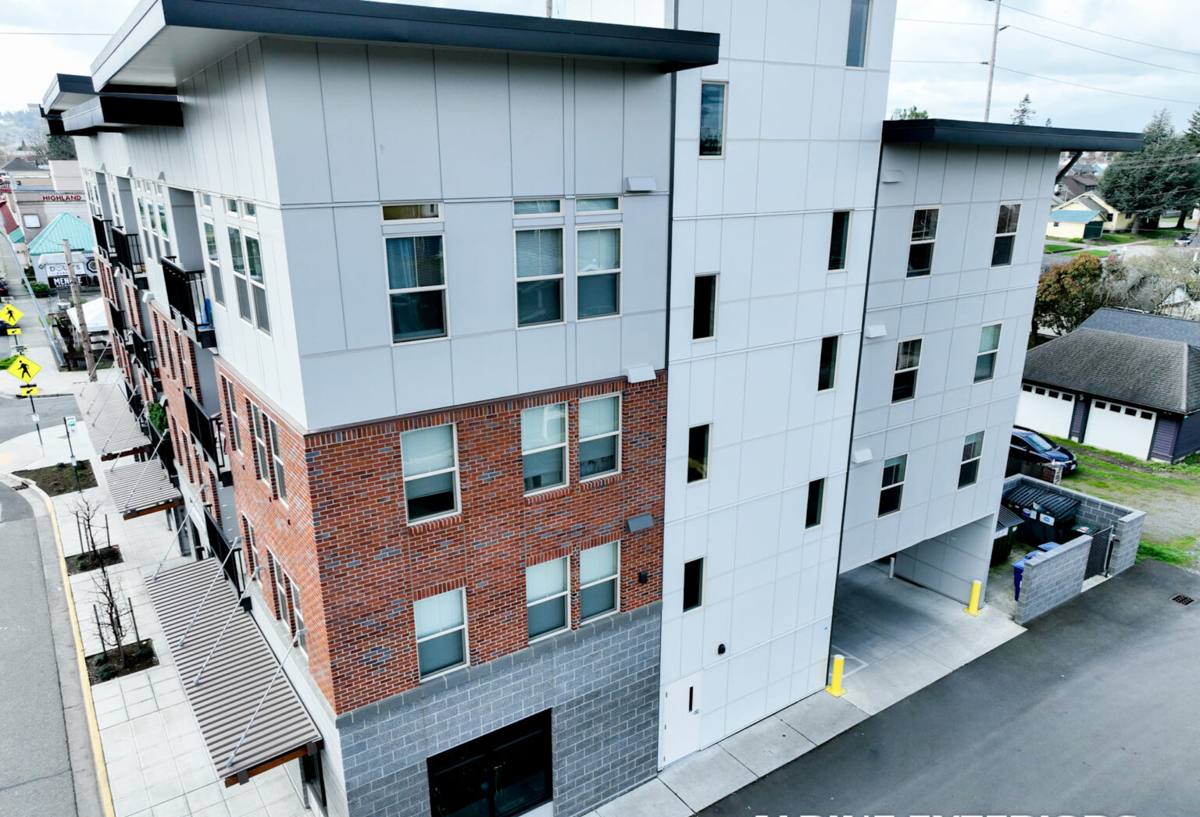
What Riverview's Climate Actually Does to Exterior Siding
Heat and UV Load
Central Florida sun is relentless almost every month of the year. Siding materials that rely on painted or laminate finishes are constantly expanding and contracting in the heat, and UV breaks down pigments and surface coatings faster here than in most of the country. Over time this shows up as chalking, fading, or a finish that looks tired well before the material underneath has failed.
Wind-Driven Rain
Hillsborough County sits squarely in a hurricane-exposure zone, and even routine summer storms bring rain that hits siding horizontally, not just downward. That means water gets forced into laps, seams, corner trim, and anywhere flashing is missing or done wrong. A siding system's real test isn't how it looks on a dry day — it's what happens behind the surface during a wind-driven downpour.
Humidity and Salt Air
Tampa Bay's humidity keeps exterior surfaces damp for long stretches, which is exactly the environment where poorly sealed or moisture-sensitive materials swell, delaminate, or grow mold. Riverview sits inland from the bay, but prevailing onshore winds still carry salt-bearing air across this part of the county, which accelerates corrosion of fasteners and trim hardware that aren't rated for the coast.
Why We Install James Hardie and Nothing Else
We standardized on James Hardie fiber cement siding, and we don't install vinyl, LP SmartSide, Cemplank, Allura, or primed wood products instead. That's a deliberate professional choice, not a sales position. Hardie's fiber cement is non-combustible, engineered specifically for hot, humid, storm-exposed climates through its HardieZone HZ5 formulation, and finished at the factory with ColorPlus technology rather than field-applied paint. That factory finish is baked on under controlled conditions, resists fading and chipping far better than site-applied paint, and comes with its own finish warranty separate from the substrate warranty. For a Riverview home taking direct UV and wind-driven rain for a decade or more, that combination of moisture stability and finish durability is the difference between a siding job that still looks right in year fifteen and one that's already needed touch-up paint by year five.
What a Correct Fiber Cement Installation Actually Involves
Fiber cement is only as good as its installation. Manufacturer specifications exist for a reason, and skipping them is the single biggest cause of premature siding failure we see on inspection calls — not the material itself.
- Correct starter strip placement and consistent bottom clearance off grade, decks, and roof lines
- Proper flashing at every window, door, and penetration before a single board goes up
- Manufacturer-specified fastener type, spacing, and depth — over-driven or under-driven nails are a leading cause of cracking and water intrusion
- Correct joint and butt-seam treatment, with the required gaps and sealant rather than boards pushed tight together
- Rain-screen or drainage plane behind the siding so incidental moisture can escape instead of sitting against the wall sheathing
- Field-cut edges primed or sealed per Hardie's specification, since raw cut edges are the most moisture-vulnerable part of any board
Flashing and Moisture Management
Most of the callbacks we inspect on other contractors' work trace back to flashing that was skipped or done as an afterthought, not to the siding material itself. Around windows, doors, and any wall penetration, water management has to be built in layers — house wrap, flashing tape, and drip caps working together — before the fiber cement panel ever goes on. Get this wrong and the siding can look perfect for years while moisture quietly works into the wall assembly behind it.
Fasteners and Trim Hardware
Given the salt exposure that reaches this part of Hillsborough County, we use fastener and trim hardware rated for coastal-adjacent conditions rather than the minimum the code allows. Standard hardware corrodes faster here, and corroding fasteners are one of the most common causes of streaking and loosened boards on older installations in this area.
Our Process, Start to Finish
- On-site inspection: we assess the existing siding, sheathing condition, and any moisture damage before quoting anything
- Written estimate: a clear scope covering removal, repair of any damaged sheathing, siding profile and color, and trim work
- Tear-off and sheathing check: old siding comes off and we inspect the wall behind it — this is where hidden moisture damage from a prior installation usually surfaces
- Weather barrier and flashing: house wrap and flashing installed to manufacturer and code specification at every opening
- Fiber cement installation: Hardie boards or panels installed to exact fastener, gap, and clearance specifications
- Trim, caulking, and finish detail: corners, trim boards, and joints sealed and finished to match the ColorPlus system
- Final walkthrough and warranty registration: we register the installation so the manufacturer warranty is properly documented
Cost Factors for a Riverview Siding Project
| Factor | Why It Affects Cost |
|---|---|
| Home size and wall complexity | More square footage and more corners, gables, and cuts mean more labor and material |
| Removal of existing siding | Tear-off, disposal, and any sheathing repair add time before new siding can go up |
| Siding profile | Lap siding, shingle-style panels, and vertical board-and-batten each install at different rates |
| Trim and accent work | Window trim, fascia, and accent bands add detail labor beyond the flat wall area |
| Access and site conditions | Fencing, landscaping, pools, and multi-story sections all affect how efficiently a crew can work |
| Color and finish selection | Factory ColorPlus finishes vary by line, and some accent colors carry different costs than standard options |
Anyone quoting a Riverview siding job without walking the property first is guessing. We always inspect before we price.
Fiber Cement Compared to Other Siding Options
| Factor | Fiber Cement (James Hardie) | Vinyl | Wood / LP-Type Products |
|---|---|---|---|
| Fire resistance | Non-combustible | Combustible, can melt/warp in heat | Combustible |
| Wind rating | Engineered for high-wind zones | Can crack or blow off in severe wind | Varies, seams are a vulnerability |
| UV/fade resistance | Factory ColorPlus finish, long fade resistance | Color molded in but can chalk and fade over time | Field-painted, repaints needed sooner |
| Moisture behavior | Engineered for humid climates when installed to spec | Doesn't rot but traps moisture behind panels if installed poorly | Moisture-sensitive at cut edges and seams |
| Typical repaint interval | Long interval on factory finish | Not typically painted | Shorter, ongoing maintenance |
Every product on that list has legitimate uses somewhere. We simply made a professional decision, based on what holds up under Hillsborough County's heat, storms, and humidity, to install only James Hardie fiber cement.
Why a Riverview-Familiar Crew Matters
A crew that already works this part of Hillsborough County knows what to expect before they show up: which building department handles the permit, how HOA approval processes tend to work in Riverview's newer subdivisions (many require exterior color sign-off before work starts), and what the local supply chain looks like for getting the right Hardie profile and color on-site without delay. That familiarity translates into fewer surprises mid-project and a crew that isn't learning the area's quirks on your home.
Keeping New Fiber Cement Siding Looking Right
- Rinse siding periodically to clear salt residue and pollen buildup, especially after dry spells
- Keep sprinklers from hitting the siding directly and repeatedly wetting the same section
- Inspect caulking at trim joints and around penetrations once a year, and reseal if it's cracking
- Trim back landscaping that holds moisture against the wall or blocks airflow
- Address any impact damage (lawn equipment, storm debris) promptly rather than leaving an exposed edge
If you're weighing siding options for a Riverview home or want a straight answer on what a correct fiber cement installation would involve on your house, we're happy to walk the property and put together a free, no-pressure estimate.