 Tampa Window
 Land O' Lakes Roofs Work Harder Than the National Average
Land O' Lakes sits just north of Tampa in Pasco County, and while it's spared the direct coastal pounding of barrier-island communities, the roofs here still take a beating most of the country never sees. Summer thunderstorms roll through almost daily for months at a time, hurricane season brings sustained wind loads and wind-driven rain that tests every seam and fastener, and the sun is intense enough, year-round, to break down roofing materials from the top down long before a homeowner sees a leak. Add in humid air pulled inland off the Gulf during tropical systems, and even a roof that looks fine from the driveway can be quietly failing underneath.
A new roof installed for this climate isn't the same job as a roof installed in a drier, milder part of the country. The materials, the underlayment, the fastening pattern, and the flashing details all need to account for what actually happens to a roof in West Central Florida over 20-plus years of sun, wind, and rain. That's the standard we build to.
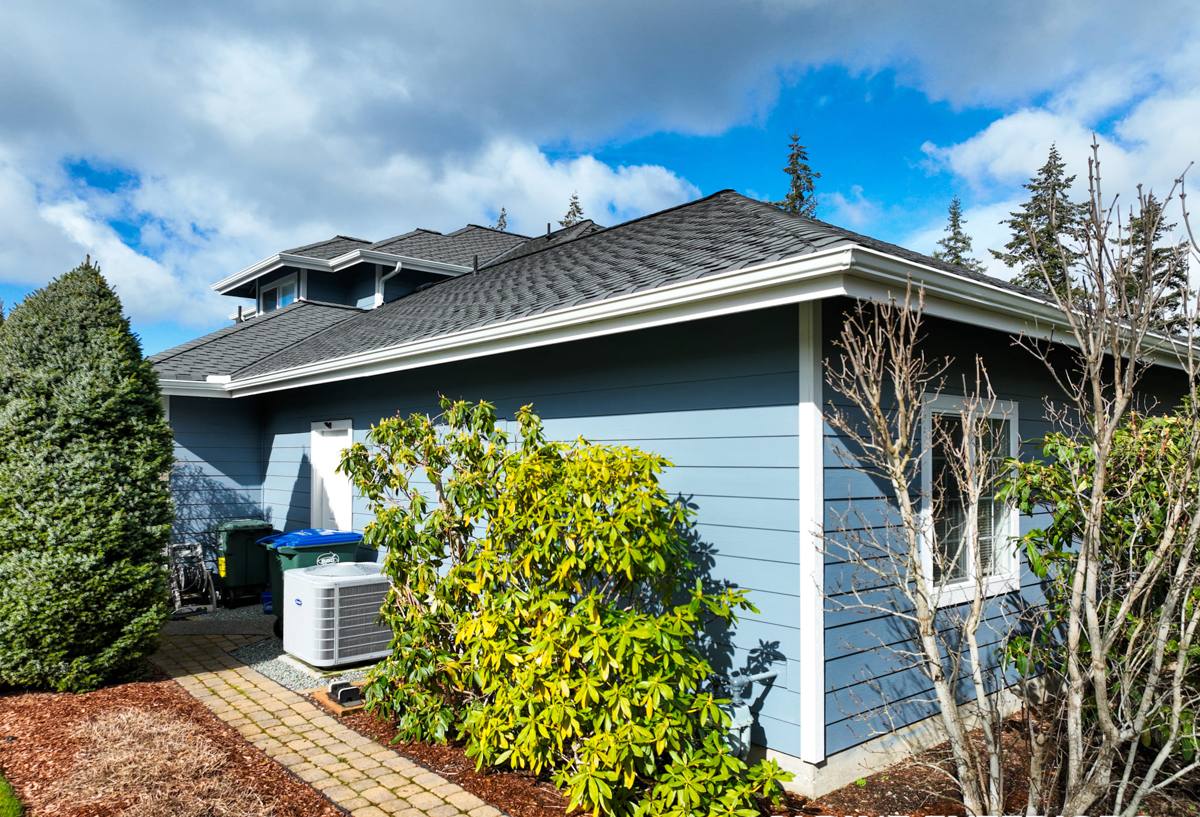
What a Correct New Roof Installation Actually Involves
"New roof" sounds simple, but a proper installation is a stack of individual decisions, each of which matters more here than in a milder climate. Skipping or rushing any one of them is how a roof ends up leaking in year three instead of lasting two decades.
Tear-Off and Deck Inspection
We remove the old roofing down to the deck rather than layering over it. That's the only way to actually see the plywood or OSB underneath, which in Florida homes can be hiding moisture damage, soft spots, or old fastener holes that won't show up until the new roof is already on. Any damaged decking gets replaced before anything else happens — this is the step that gets skipped most often by crews trying to move fast, and it's the one that causes the most expensive problems later.
Underlayment and Secondary Water Barrier
This layer is your backup if wind ever lifts or damages the surface roofing material during a storm — and in a hurricane-affected area, that's not a hypothetical. We use underlayment rated for high-wind, high-heat climates, and we pay attention to how it's fastened, not just what brand it is. A premium shingle over poorly installed underlayment is still a weak roof.
Flashing and Penetration Details
Almost every roof leak we get called out to inspect on an older home traces back to flashing — around chimneys, skylights, plumbing vents, and roof-to-wall transitions — not the field of the roof itself. These details get hand-formed and properly sealed, not just caulked over, because caulk is a maintenance item, not a permanent fix.
Ventilation
A hot, poorly ventilated attic cooks roofing materials from underneath, shortens their lifespan, and drives up cooling costs. We size and balance intake and exhaust ventilation as part of the installation, not as an afterthought.
Choosing the Right Roofing Material for Land O' Lakes
There's no single "best" roofing material — there's the right material for your home's structure, your budget, and how long you plan to own it. Here's an honest comparison of the main options we install:
| Material | Typical Wind Rating | Expected Lifespan | Best For |
|---|---|---|---|
| Architectural asphalt shingle | Up to 130 mph when properly installed | 20–30 years | Best balance of cost and performance for most homes |
| Metal (standing seam or panel) | 140+ mph when properly installed | 40–50+ years | Homeowners prioritizing longevity and storm resistance over upfront cost |
| Concrete or clay tile | Varies widely by fastening method | 40–50+ years (tile itself) | Homes already built for tile weight load; matches regional architectural style |
| Flat/low-slope membrane (TPO, modified bitumen) | Depends on attachment method | 15–25 years | Additions, porches, and low-slope sections |
We're straightforward about trade-offs rather than pushing whichever product has the best margin. Tile, for example, looks great and lasts a long time, but individual tiles crack under impact and require careful, specialized re-roofing work — not every crew handles tile correctly, and improper fastening is a common cause of storm damage. Metal costs more upfront but the lifespan and wind performance often make it the cheaper option over 30 years. Asphalt shingle remains the most common choice because it delivers solid performance at a lower installed cost, provided it's installed correctly.
Wind Ratings, Codes, and Permits
Florida's building code sets minimum requirements for wind resistance, fastening patterns, and underlayment based on your location's wind zone, and Pasco County enforces its own permitting and inspection process on top of that. A legitimate roofing job in Land O' Lakes is permitted and inspected — not just installed and invoiced. We pull the permit, schedule the required inspections, and build to the code that applies to your address, because an uninspected roof can create real problems at resale and with insurance claims down the road.
It's also worth knowing that a documented, code-compliant new roof can affect your homeowner's insurance premium. Many carriers offer credits for roofs installed to current wind-mitigation standards — that paperwork trail starts with a permitted job.
Our Process, Start to Finish
- Inspection and estimate — we assess your current roof, attic ventilation, and any visible deck issues before quoting anything
- Material selection — we walk through the honest trade-offs for your home and budget, no upselling
- Permitting — we pull the required Pasco County permit before work begins
- Tear-off and deck repair — old roofing removed, deck inspected and repaired as needed
- Underlayment and flashing installation — the water barrier and detail work that protects the home between now and the day the surface material is installed
- New roof installation — installed to manufacturer specification and Florida's wind-load fastening requirements
- Cleanup — magnetic sweep for nails and full site cleanup before we consider the job done
- Final inspection — county inspection scheduled and passed, documentation provided for your records and insurance file
Signs It's Time to Replace, Not Repair
Not every roof problem means you need a full replacement — sometimes a targeted repair is the honest answer. But there are signs that patching is just delaying a bigger bill:
- Granule loss heavy enough that shingles look bald or patchy, especially on south- and west-facing slopes that take the most UV
- Multiple past repairs in different areas of the roof rather than one isolated spot
- Soft or spongy decking felt underfoot in the attic, a sign moisture has already gotten in
- Shingles cupping, curling, or cracking — a sign the material has aged past its useful life
- Your roof is nearing or past the manufacturer's rated lifespan and you're heading into another hurricane season
- Daylight visible through the roof deck from inside the attic
If you're not sure which category your roof falls into, an honest inspection is worth more than guessing — and it's the first thing we do before recommending anything.
What Affects the Cost of a New Roof
| Factor | Why It Matters |
|---|---|
| Roof size and pitch | More square footage and steeper pitches mean more material and labor time |
| Material choice | Asphalt, metal, and tile carry very different material and labor costs |
| Deck condition | Rotted or damaged decking found during tear-off adds material and labor to replace it |
| Number of penetrations | Chimneys, skylights, and vents each require flashing work that adds time |
| Layers to remove | Removing multiple existing layers takes longer than a single-layer tear-off |
| Access | Roof height, landscaping, and site access affect equipment and labor time |
We give a written estimate that spells out what's included, rather than a number with no detail behind it, so you can see exactly what you're paying for.
Why a Crew That Already Works in Land O' Lakes Matters
A roof is only as good as the crew that installs it, and local experience shows up in details that are easy to miss from an out-of-town estimate. We already know which wind zone requirements apply to Pasco County permits, we're used to scheduling around the region's afternoon thunderstorm pattern so tear-offs aren't left exposed overnight, and we've seen firsthand how Florida sun and humidity age different materials over time — not from a manufacturer's brochure, but from roofs we've actually worked on in this area. That local knowledge is what keeps a job on schedule and built to hold up, rather than built to just pass inspection.
If your roof is aging, showing damage, or you're simply planning ahead of the next storm season, we're happy to take a look and give you a straightforward, no-pressure estimate — just fill out the form below to get started.