 Tampa Window
 Ybor City's Character Comes With a Demanding Climate Bill
Ybor City is one of Tampa's oldest and most distinctive neighborhoods, and it wears its history in its housing stock — a mix of century-old frame construction sitting alongside newer infill homes, many within a few miles of Tampa Bay. That proximity to open water means the siding on these homes doesn't get an easy year. It absorbs intense, near-constant Florida UV, soaks up wind-driven rain during summer storm season, breathes in salt-laden air off the bay, and, when a hurricane or tropical system tracks through Hillsborough County, takes a real structural beating from sustained wind and flying debris.
Siding in Ybor City isn't decorative trim — it's the building's first line of defense. When it's the wrong product, or the right product installed poorly, the consequences show up as cupping, cracking, color fade, rot behind the cladding, or moisture intrusion that goes unnoticed until it's expensive. This page walks through what Ybor City homes actually need, what a correct James Hardie installation looks like, and how our process handles the details that matter in this specific climate.
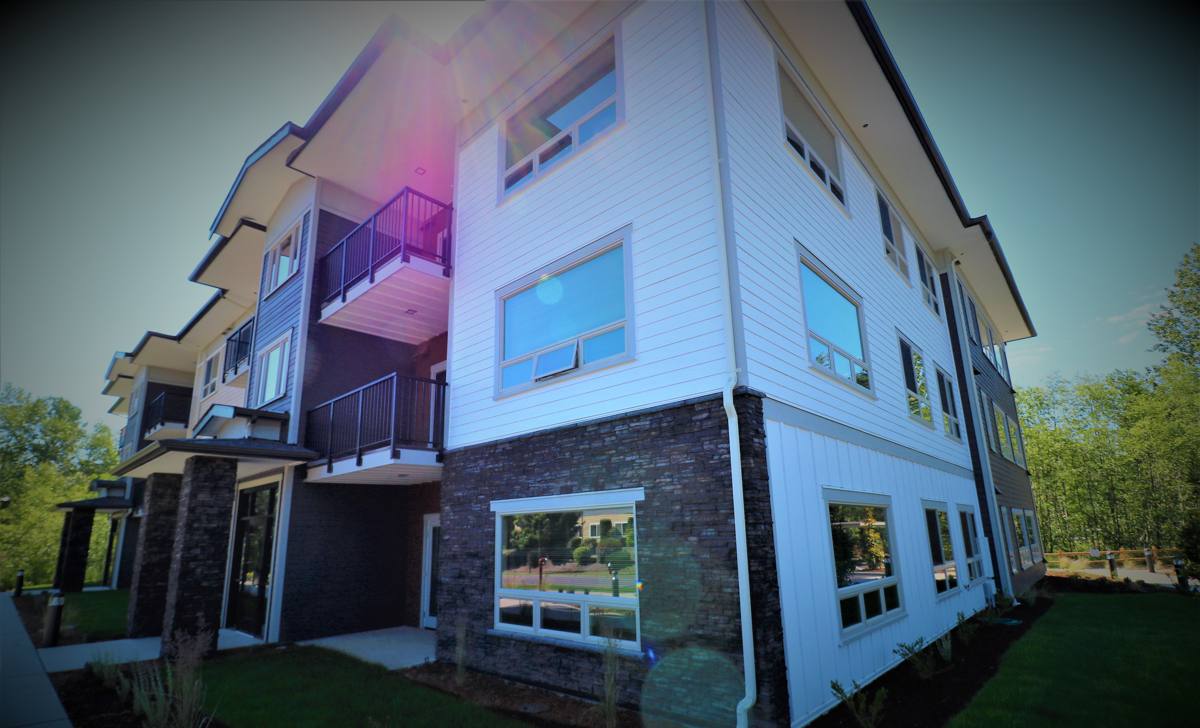
What Tampa's Climate Actually Does to Exterior Siding
UV and Heat
Tampa gets strong, direct sun essentially year-round. Siding materials that rely on a painted-on finish — rather than a factory-baked one — tend to chalk, fade, and lose their finish integrity faster here than in milder climates. Repeated heat cycling also stresses caulk joints and any material that expands and contracts more than fiber cement does.
Wind-Driven Rain and Humidity
Summer storms in this part of Florida don't just drop rain straight down — wind pushes it sideways, into laps, seams, and trim joints. Combine that with Tampa's high year-round humidity and you get a climate that punishes any siding system with weak water-shedding details or a core material that swells when it stays wet.
Salt Air
Ybor City's location near Tampa Bay means airborne salt is a constant, low-grade presence, even on days with no storm activity. Salt air accelerates the breakdown of certain finishes and fasteners over time and is part of why material choice and correct fastener selection both matter more here than they would inland.
Hurricane Wind Loads
When a tropical system or hurricane comes through, siding has to stay attached under sustained high wind and resist impact from wind-borne debris. This is less about any one product's marketing and entirely about installation: fastener type, fastener spacing, and how trim and flashing are detailed all determine whether siding survives a real wind event or ends up in the yard next door.
Why We Install Only James Hardie Fiber Cement
James Hardie's fiber cement siding is manufactured with regional climate formulations built in. Homes in humid, coastal Gulf climates like Tampa's fall under Hardie's humid-climate (HZ5) engineering, which accounts for moisture exposure that dry-climate regions never see. That's a meaningful distinction — it means the product on an Ybor City wall isn't a one-size-fits-all board, it's formulated for exactly this kind of weather.
Fiber cement is also non-combustible, doesn't provide fuel or a food source for pests, and holds its shape far better than wood-based or vinyl products under Tampa's heat cycling. With Hardie's ColorPlus finish, the color is baked on at the factory in multiple coats rather than applied on-site, which matters directly for UV resistance — the number one complaint homeowners have with faded, chalky siding after a few Florida summers.
We standardized on James Hardie because, installed correctly, it's the product we're comfortable putting our name behind in this climate. That's also why we don't install vinyl, LP SmartSide, or unfinished wood siding — each of those has real trade-offs in heat, moisture, and salt exposure that we're not willing to gamble with on a homeowner's largest asset.
What a Correct Installation Involves
James Hardie backs its product with a strong warranty, but that warranty is tied to installation following the manufacturer's published instructions. Skipping steps voids protection the homeowner is paying for. On an Ybor City home, the details that matter most include:
- Correct clearance between the bottom of the siding and grade, roofing, decks, and patios so water doesn't wick up into the board
- Proper flashing at every window, door, and penetration — the single most common failure point on a poorly installed siding job
- Fastener type and spacing per Hardie's specifications, not a generic "close enough" pattern, especially important given local wind exposure
- Correct gapping and sealant at butt joints and trim, using products compatible with fiber cement and Florida's heat
- A weather-resistive barrier installed underneath the siding, lapped and taped correctly to shed wind-driven rain
- Field-cut edges primed or sealed so raw fiber cement isn't left exposed to moisture
None of this is exotic. It's the manufacturer's own instructions. The problem in the field is that these steps take time and attention a rushed crew skips — and the failures don't show up until a year or two later, when they're much more expensive to fix.
Our Process for a Ybor City Siding Project
- Assessment. We inspect the existing siding, sheathing, and any signs of past moisture intrusion before we quote anything, since older Ybor City homes can have surprises once the old cladding comes off.
- Tear-off and substrate check. Old siding comes off and we inspect the sheathing underneath for rot or damage before anything new goes up — covering a problem is worse than finding it.
- Weather barrier. A new weather-resistive barrier goes on, properly lapped and sealed, giving the wall a second line of defense behind the siding itself.
- Hardie installation. Boards are installed to manufacturer spec — clearances, fasteners, gapping, and flashing all follow Hardie's published instructions, not shortcuts.
- Trim and details. Corners, window and door trim, and any transitions are finished and sealed with fiber-cement-compatible products.
- Final walkthrough and warranty registration. We walk the job with the homeowner and make sure the manufacturer warranty paperwork is filed correctly.
James Hardie Product Lines and Which Fit Ybor City Homes
Ybor City's housing mix — historic frame homes alongside newer builds — means different Hardie profiles suit different houses. Here's how the core product lines compare:
| Product | Style | Best Fit |
|---|---|---|
| HardiePlank lap siding | Traditional horizontal lap, several plank widths and textures | Most common choice; works on both older frame homes and newer construction |
| HardieShingle | Staggered or straight-edge shingle panels | Homes with a cottage or craftsman look, or partial-accent siding |
| HardiePanel | Vertical panel with battens | Modern facades, gable accents, and porch or addition sections |
| HardieTrim | Fascia, corner boards, window and door trim | Paired with any of the above for a finished, factory-matched look |
What It Costs: Factors That Actually Drive the Price
Every Ybor City home is different, so we don't quote off a square-footage rule of thumb alone. The real cost drivers are:
| Factor | Why It Matters |
|---|---|
| Removal of existing siding | Tear-off, disposal, and any sheathing repair add labor before the new siding even starts |
| Home size and wall complexity | More corners, dormers, and trim details mean more labor hours regardless of square footage |
| Siding profile and width | Wider planks install faster than narrow lap profiles; shingle and panel styles take more labor |
| ColorPlus vs. field-painted finish | Factory-finished ColorPlus costs more up front but skips repainting for years |
| Trim and accessory work | Soffit, fascia, and custom trim details are priced separately from the field siding |
| Access and site conditions | Older lots with tight setbacks or mature landscaping can add time to a job |
We'll never give a real number without seeing the house, but a written, itemized quote should always break these factors out so you know what you're paying for.
Why Hiring a Crew That Already Works in Ybor City Matters
Siding crews that don't normally work this neighborhood are often unfamiliar with two things that matter a lot here: the mix of older frame construction that can hide sheathing surprises, and the local permitting process through Hillsborough County and the City of Tampa. A crew that already pulls permits in this area knows what inspectors are looking for and doesn't lose weeks to avoidable back-and-forth.
There's also a wind and weather-pattern familiarity that only comes from working this coastline repeatedly — knowing which details fail first in this climate, and building in the extra margin on flashing and sealant that a crew from a drier, calmer region might not think twice about. That local pattern recognition is worth more than it sounds like on paper.
What to Look for When Hiring a Siding Contractor
- Manufacturer certification or documented Hardie-specific training, not just general contracting experience
- A written scope of work that references Hardie's published installation instructions
- Correct fastener and clearance specifications called out in the estimate, not left vague
- Proper permit pulling through Hillsborough County or the City of Tampa, as applicable
- A process for warranty registration after the job is complete
- Local references and a track record of jobs in this climate, not just photos from elsewhere
Get a Straight Answer on Your Ybor City Home
If your siding is showing UV fade, cracking, cupping, or you're just planning ahead of the next storm season, we're happy to take a look and walk you through exactly what your home needs — no pressure, no upsell to a product we don't stand behind. Reach out for a free estimate and we'll give you a straight, itemized answer based on what your house actually needs.