 Tampa Window
 Why Composite Decking Makes Sense in Hyde Park
Hyde Park sits close to the water, under a heavy tree canopy, on a mix of historic bungalows and newer builds along quiet, walkable streets. That combination is beautiful to live with and hard on outdoor building materials. Between the intense Florida sun, the humidity that never really lets up, salt-tinged air drifting in off Tampa Bay, and the wind-driven rain that comes with our storm season, a deck in this neighborhood works harder than a deck almost anywhere else in the country.
Composite decking was built for exactly this kind of exposure. It doesn't absorb moisture the way wood does, it won't splinter or rot, and it holds its color and structure through repeated UV exposure far better than most alternatives. That doesn't mean every composite product or every installation is equal — it means the material gives you a real advantage here, if it's installed correctly for our climate and not just dropped in using a generic, one-size-fits-all approach.
What Hyde Park's Homes and Lots Typically Demand
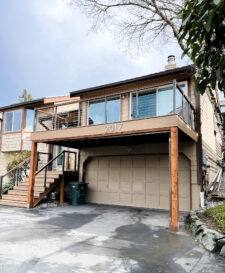
Hyde Park's housing stock skews older — bungalows, Craftsman-style homes, and renovated properties on lots that are often narrower and more established than newer Tampa subdivisions. That has a few practical effects on a decking project:
- Mature trees mean more shade, more leaf litter, and more moisture sitting on deck surfaces longer after rain — which matters for slip resistance and mold growth.
- Older homes may have ledger attachment points, foundations, or framing that need extra attention before a deck can be tied in safely.
- Narrower lots and streets can limit equipment access and material staging, which affects how a crew plans delivery and demolition.
- Many homeowners here are renovating or adding onto existing outdoor living space rather than building from scratch, which means matching new decking into existing stairs, patios, or landscaping.
None of this is a problem — it's just context a crew needs to plan for before the first board goes down, not something discovered halfway through the job.
Historic District and Permitting Notes
Parts of Hyde Park fall within areas that carry additional design review or permitting requirements through the City of Tampa. Even where a project doesn't require historic review, Hillsborough County and City of Tampa permitting still applies to most deck construction — footings, railing height, and structural attachment all get inspected. A contractor who pulls permits routinely in this area knows what the local plan reviewers expect and won't leave you guessing or waiting on a resubmission.
Composite vs. Other Decking Materials
Homeowners in this neighborhood usually compare composite against pressure-treated wood and, less often, PVC. Here's how they stack up for a coastal Tampa climate specifically:
| Material | Moisture & Humidity Behavior | UV/Fade Resistance | Maintenance | Typical Lifespan Here |
|---|---|---|---|---|
| Composite | Doesn't absorb water like wood; resists swelling and rot in high humidity | Good with quality cap-stock products; color holds up well | Periodic washing; no staining or sealing | 25-30+ years |
| Pressure-Treated Wood | Absorbs moisture, prone to cupping/warping in wet-dry cycles common here | Fades and grays without regular sealing | Annual sealing/staining recommended | 10-15 years with upkeep |
| PVC | Fully moisture-resistant | Can look more plastic; some fading over long-term intense UV | Low | 25-30+ years |
Wood is still a reasonable choice for homeowners who want that specific look and are willing to keep up with sealing on a strict schedule. But in a climate with this much humidity and sun, wood decking here is a maintenance commitment, not a one-time build. That's the honest trade-off, and it's one we walk every Hyde Park homeowner through before recommending a material.
What a Correct Composite Deck Build Actually Involves
Composite decking looks straightforward from the top, but most of what determines whether it lasts 10 years or 30 happens underneath, out of sight.
Substructure and Framing
Joist spacing, beam sizing, and footing depth all need to match the composite product's span rating and Florida Building Code requirements for wind load — not generic wood-deck spacing. Composite boards flex differently than wood, and under-spanned framing is one of the most common causes of bounce, sag, or premature board fatigue.
Ledger Attachment and Flashing
Where a deck attaches to the house, proper flashing keeps wind-driven rain from working its way behind the ledger board and into the wall assembly — a real risk here given how much sideways rain our storms bring. This is one of the most commonly skipped steps on cut-rate installs, and it's the step most likely to cause hidden water damage years later.
Fasteners and Hardware
Everything below and around the boards — joist hangers, screws, brackets — should be stainless steel or coated for coastal/high-corrosion environments. Standard galvanized hardware degrades faster with the salt air moving inland from the bay, even a few miles in.
Hidden Fastening Systems
Most quality composite systems use a hidden clip system rather than face-screwing. Done right, this gives a clean surface and consistent board spacing for drainage. Done wrong — clips over-driven or under-driven, spacing inconsistent — boards can loosen or trap water between gaps.
Ventilation Underneath
Composite decks still need airflow beneath the boards to prevent moisture and debris buildup, especially under the tree cover common in Hyde Park yards. Skirting or under-deck areas should be designed to breathe, not sealed up tight.
How Our Process Works
- On-site assessment: We look at your existing structure (if any), the house's attachment points, drainage, sun/shade exposure, and any access constraints specific to your lot.
- Design and material selection: We walk through composite board options, colors, and railing systems based on your budget and how the space will actually be used.
- Permitting: We handle the City of Tampa or Hillsborough County permit submission and any additional review your property may require.
- Demolition and framing: Old decking is removed and disposed of, framing is inspected or rebuilt to current code and wind-load requirements.
- Installation: Boards, hardware, and railing are installed to manufacturer spec and local code.
- Final walkthrough: We inspect the finished deck with you, cover basic care, and make sure everything passes final inspection.
Building for Wind, Rain, and Storm Season
Hurricane-force wind isn't a rare event here — it's a planning requirement for every outdoor structure. A few specifics that matter for decking in this area:
- Railing posts and connections need to meet code-required lateral load resistance, not just look sturdy.
- Stair stringers and ledger connections are common failure points in high wind if under-built — this is where correct fastening and hardware selection pays off.
- Loose furniture, planters, and grilling equipment should be considered in how a deck's layout and railing are planned, since wind can turn unsecured items into damage risks.
- Composite boards themselves handle wind-driven rain well since they don't swell, but the framing and flashing beneath them are what actually keep water out of your home.
Maintenance in a Humid, Salt-Exposed Climate
One of the appeals of composite is genuinely low maintenance — but "low" isn't "none," especially this close to the water.
- Rinse the deck periodically to clear salt residue, pollen, and organic debris before it builds up in board grooves.
- Sweep leaf litter regularly if you're under tree cover — trapped organic matter holds moisture against the surface and can encourage mildew even on composite.
- Check railing hardware and fastener points annually for corrosion, especially on homes closer to the bay.
- Clean mildew or algae with a mild soap and soft-bristle brush — avoid pressure washers on high settings, which can damage the cap layer on some composite products.
What Drives Cost
| Factor | Why It Matters |
|---|---|
| Deck size and shape | More linear footage and cuts, especially around stairs or angles, increase material and labor |
| Substructure condition | Rebuilding failed or undersized framing adds cost but is not optional if it's inadequate |
| Board tier and brand | Composite products range from entry-level to premium cap-stock lines with different warranties and price points |
| Railing system | Composite, aluminum, and cable railing all carry different material and installation costs |
| Site access | Narrow lots or limited equipment access on older Hyde Park streets can affect labor time |
| Permitting scope | Additional review requirements in some parts of the neighborhood can affect timeline, not usually cost |
Most composite deck projects fall into a broad mid-range for residential construction — final numbers depend heavily on size and the condition of what's already there. We give straight, itemized numbers after seeing the site, not a phone-quote guess.
Why It Matters to Hire a Crew That Already Works This Neighborhood
A crew that regularly works in Hyde Park already understands the local permitting process, knows how to plan around tighter lot access and mature landscaping, and has a feel for how sun exposure and tree cover vary block to block near the water. That familiarity shows up in fewer surprises — no mid-project scramble over an unexpected permit requirement, no guessing on hardware for salt exposure, no framing built to a generic spec that doesn't hold up to a real Tampa storm season.
It also means accountability. A contractor with an ongoing presence in the neighborhood has a reputation here to maintain, not just a one-time job to finish and leave.
Questions Worth Asking Any Deck Contractor Here
- Do you pull permits through the City of Tampa or Hillsborough County directly, and have you worked in this specific area before?
- What fastener and hardware grade do you use, and is it rated for coastal/high-humidity exposure?
- How do you handle ledger board flashing where the deck meets the house?
- What's the manufacturer's warranty on the specific composite board you're proposing, and what does it actually cover?
- Will framing be sized to the board manufacturer's span tables, or a generic spacing?
If you're planning a new deck or replacing an aging one in Hyde Park, we're happy to take a look and walk you through honest options for your property. Request a free, no-pressure estimate using the form below.