 Tampa Window
 Why Davis Islands Homes Need Windows Built for This Exposure
Davis Islands sits on reclaimed land surrounded by water on nearly every side, just south of downtown Tampa in Hillsborough County. That location is part of what makes the neighborhood desirable, and it's also exactly why standard, big-box windows don't hold up here the way they might further inland. Homes on and near the water take a steady combination of salt-laden air, wind-driven rain, intense year-round UV, and the real possibility of hurricane-force gusts during storm season. Each of those stresses a window differently, and a "custom" window job here isn't about fancy shapes — it's about matching the frame, glass, and hardware to what this specific location throws at a house.
Custom windows come into play on Davis Islands for a few practical reasons beyond aesthetics: older homes often have non-standard rough openings that don't match today's stock sizes, waterfront and near-waterfront lots call for glass and framing packages rated for higher wind pressures, and many owners want sightlines or shapes (arches, transoms, oversized picture windows to capture water views) that off-the-shelf sizing can't deliver. Getting all of that right, on a house exposed to salt air and coastal wind, is a different job than a standard suburban window swap.
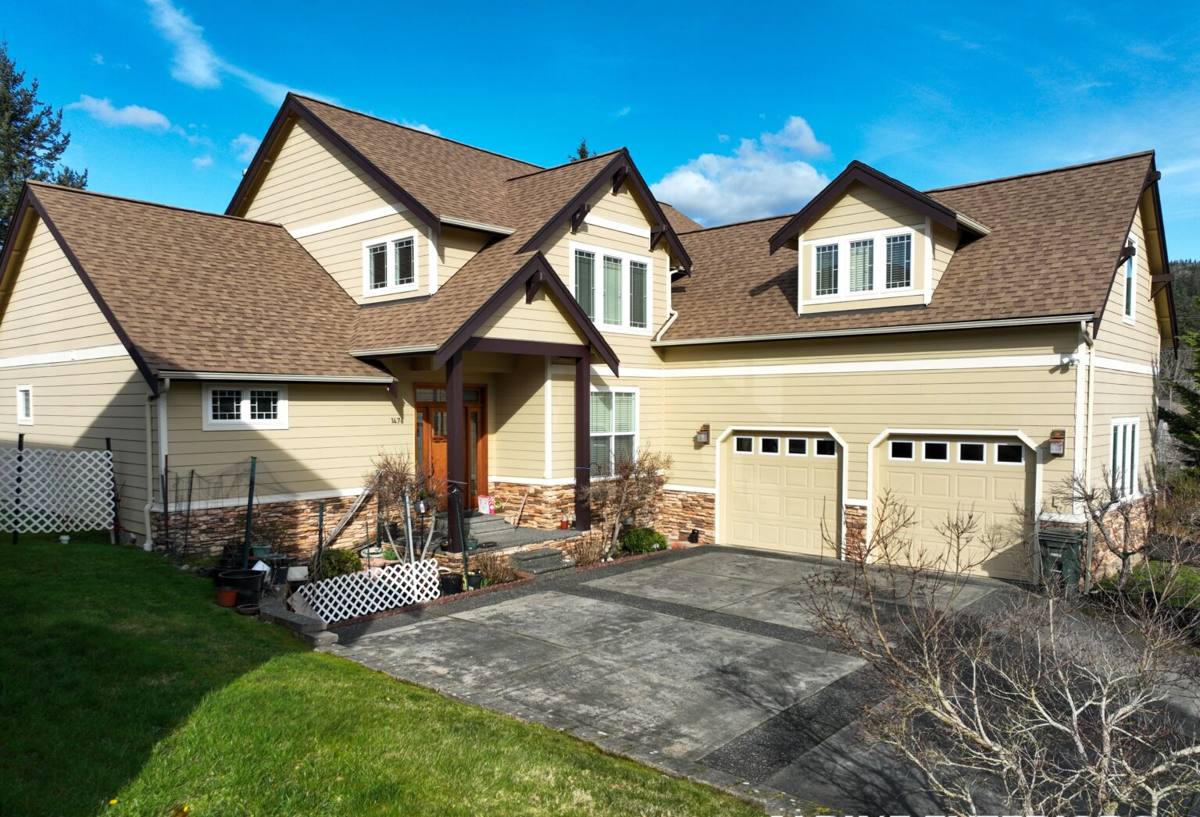
What "Custom" Actually Means for a Coastal Tampa Home
Custom doesn't just mean a non-standard size. On a job near the water, it typically covers four things working together:
- Exact-fit sizing for openings in older or architecturally distinct homes, so there's no gap-filling with extra trim or shims that create weak points.
- Wind-rated glass and framing matched to the property's exposure category and the Florida Building Code requirements that apply in Hillsborough County's wind-borne debris region.
- Frame material selection chosen for salt-air resistance and low maintenance, not just upfront price.
- Hardware and glazing details — locks, weep systems, sealants — rated to shed wind-driven rain rather than let it work its way in over a few seasons.
Skipping any one of those turns a "custom" window into an expensive version of a standard one that still fails early in a coastal environment.
Impact-Rated vs. Shutter-Protected Openings
Hillsborough County falls within Florida's wind-borne debris region under the Florida Building Code, which means openings on most homes need to be protected — either with impact-rated windows or with code-approved shutters/panels installed separately. Impact-rated glass builds the protection into the window itself: laminated glass with an interlayer that resists penetration and stays intact even when it cracks. It costs more upfront but means no scrambling to install shutters before a storm and no unprotected windows if you're not home when one is approaching. Shutter systems paired with standard glass cost less initially but require action every time a storm threatens, and they don't do anything for the daily wear of UV and salt air the glass takes the rest of the year.
How We Approach a Davis Islands Window Job
The process is the same discipline every time, adjusted for what a given house needs:
- On-site assessment. We measure every opening individually — older homes rarely have identical openings even when they look it — and check the framing behind the existing window for rot, corrosion, or prior water intrusion before quoting anything.
- Exposure-specific spec. Based on the home's distance from open water, height, and orientation, we spec glass and frame packages that meet or exceed the wind pressure requirements for that location, not a generic minimum.
- Product selection with the homeowner. We walk through frame material, glass options, and grille/style choices with actual trade-offs explained — not just a catalog handoff.
- Removal and opening prep. This is where a lot of window jobs go wrong. We check and repair the substrate — wood blocking, sill pans, flashing — before a new unit ever goes in, because a great window over a compromised opening will leak regardless.
- Installation and sealing. Proper shimming, mechanical fastening to code, and a correct sealant/flashing sequence so water has a designed path out, not a chance to pool.
- Final inspection and walkthrough. We check operation, seal integrity, and hardware function, and go over care and warranty details before we consider the job done.
Frame Material Comparison for Salt-Air Exposure
Material choice matters more here than in a typical inland Tampa neighborhood. Salt air accelerates corrosion on some metals and finishes, and UV exposure breaks down certain vinyl formulations faster than others over the years. Here's how the common options generally compare for a near-water property:
| Frame Material | Salt-Air Performance | Maintenance | Typical Cost Tier |
|---|---|---|---|
| Vinyl (impact-rated) | Good — won't corrode; UV-stable formulations hold up well | Low — occasional cleaning | Moderate |
| Aluminum | Fair to good with quality coatings; watch for pitting near open water without proper finish | Moderate — coating needs monitoring over time | Moderate to higher |
| Fiberglass | Very good — dimensionally stable, resists corrosion and UV degradation well | Low | Higher |
| Wood / wood-clad | Weakest in direct salt exposure unless well-protected and maintained | Highest — regular refinishing/inspection needed | Higher |
None of these are automatically wrong for Davis Islands — the right call depends on the home's exact exposure, its architectural style, and how much upkeep the owner wants to take on. We won't push wood-clad frames onto a home that sits directly against open water and gets heavy salt spray, not because the product is bad, but because it demands a maintenance commitment that doesn't fit every homeowner's plans, and we'd rather say that upfront than let a callback surprise you in three years.
What Drives Cost on a Custom Job Here
| Factor | Why It Matters |
|---|---|
| Opening size and shape | Non-standard or oversized openings require custom fabrication, not stock units |
| Impact rating required | Impact-rated laminated glass and reinforced frames cost more than standard packages |
| Frame material | Fiberglass and impact vinyl generally run higher than basic aluminum |
| Number of openings and access | Second-story or hard-to-access water-facing windows add labor time |
| Substrate condition | Rot or prior water damage found during removal adds repair scope before install |
We give real ranges after we've actually looked at the openings — not a phone-quote number that changes once we open the wall.
Signs Your Current Windows Are Losing the Fight
- Fogging or moisture between panes on double-glazed units — the seal has failed.
- Visible pitting, chalking, or corrosion on aluminum frames or hardware.
- Soft or discolored drywall/trim around the frame after storms — a sign of water intrusion, not just condensation.
- Windows that are noticeably harder to open, lock, or latch than they used to be.
- Noticeable draft or road/water noise that wasn't there a few years ago.
- Frames that feel warm or show UV-related warping, especially on south- and west-facing exposures.
Why It Matters That the Crew Already Works This Neighborhood
A crew that regularly works Davis Islands and the surrounding Tampa waterfront knows the practical realities that don't show up in a spec sheet: how quickly certain finishes chalk out under this much sun, which older home styles tend to have out-of-square openings, what wind exposure actually looks like a few blocks from open water versus a few blocks further in, and how permitting and inspection typically go with Hillsborough County for wind-borne debris region compliance. That familiarity shows up in fewer surprises during the job and fewer callbacks after it — not because the work is different from anywhere else in principle, but because the judgment calls on materials and installation details are informed by having actually done this on similar homes nearby.
A Quick Vetting Checklist Before You Hire
- Ask for proof of Florida licensing and current insurance, and confirm it in writing.
- Confirm the quoted glass/frame package meets the wind pressure rating for your specific location, not a generic minimum.
- Ask how they handle permitting with Hillsborough County — this shouldn't be left to you.
- Get the warranty terms in writing, covering both the product and the labor separately.
- Ask what happens if they find rot or damage behind the existing window once it's removed.
Maintaining Custom Windows in a Salt-Air Environment
Even the right window package needs some upkeep near the water. Rinse frames and tracks periodically to clear salt residue before it accumulates, especially after storms. Keep weep holes clear so water has somewhere to go. Check and lubricate hardware yearly, and inspect exterior sealant lines for cracking or separation — sealant is a wear item, not a lifetime feature, and catching a failed bead early is a lot cheaper than dealing with the water intrusion it eventually causes.
If you're weighing a window project on Davis Islands or anywhere else along the Tampa waterfront, we're happy to take a look and give you a straight assessment — no pressure, no inflated scope. Fill out the form below for a free estimate.