 Tampa Window
 Why Davis Islands Decks Have a Tougher Job Than Most
Davis Islands sits surrounded by water, which is exactly what makes it such a desirable place to live and exactly what makes a deck out there work harder than a deck built ten miles inland. Homes on the island face a near-constant mix of salt spray off Hillsborough Bay, unfiltered Florida sun for most of the year, wind-driven rain that gets pushed sideways under eaves and railings, and the occasional hurricane-strength gust that tests every fastener in the structure. A deck built to a generic spec, or built with materials chosen for a subdivision twenty miles from the coast, tends to show its age here years before it should.
That doesn't mean decking on Davis Islands has to be a maintenance headache. It means the material choice and the installation details both have to account for the environment the deck actually lives in, not the environment a product was tested in on a spec sheet.
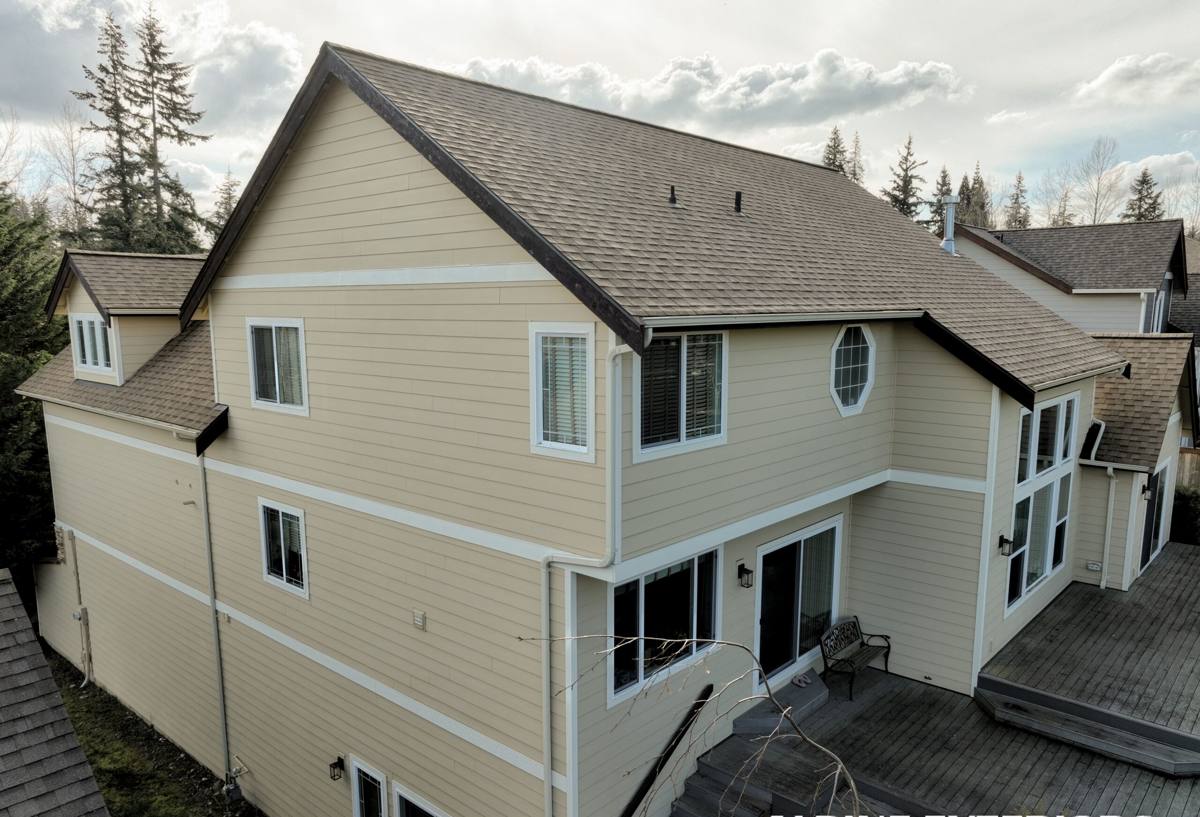
The Climate Factors That Break Down the Wrong Deck
Salt Air and Corrosion
Airborne salt doesn't just sit on the surface of a deck board — it works into fasteners, hinges, and any exposed metal hardware. On waterfront and near-waterfront lots, standard-grade screws and brackets can start corroding well before a normal service life, which leads to staining, loosening boards, and eventually a structural repair that could have been avoided with the right hardware grade from day one.
Year-Round UV Exposure
Tampa doesn't get much of a winter break from the sun. Deck boards on Davis Islands are exposed to intense UV essentially twelve months a year, which accelerates fading, chalking, and surface degradation in lower-grade materials. Boards that look great installed in spring can look noticeably different by the following summer if the material wasn't built to hold color under sustained sun.
Wind-Driven Rain and Moisture Cycling
Afternoon storms here don't just fall straight down — wind pushes rain under rail caps, into board gaps, and against the house at the ledger connection. Add in humidity that rarely drops, and you get a wet-dry cycle that repeats constantly. Materials and fastening details that don't manage water movement well end up trapping moisture where it does the most damage: at the substructure and the ledger attachment to the house.
Hurricane-Force Wind Loads
Even outside of a direct hurricane hit, Tampa Bay gusts during tropical systems and seasonal storms put real uplift and lateral load on a deck's ledger connection, joist hangers, and railing posts. A deck that isn't fastened and blocked correctly for wind isn't just a cosmetic risk — it's a safety issue.
Why Composite Decking Fits This Environment
Composite decking earns its place on waterfront and near-waterfront homes because it doesn't rely on a finish coat to protect it from moisture and sun the way wood does. A properly capped composite board resists the fading, splintering, and rot that show up fastest in this climate, and it doesn't need annual sanding, staining, or sealing to keep doing its job. That matters on Davis Islands specifically, where salt air and sun exposure shorten the maintenance window on lower-grade materials.
We'll also give you the honest trade-offs, because not every composite board is the same:
- Not all capping is equal. Fully capped boards (top, bottom, and sides) hold up to moisture and salt exposure far better than boards capped only on the wear surface.
- Dark colors run hotter underfoot. In direct Tampa sun, darker composite boards can get uncomfortably hot on bare feet by midafternoon — lighter and mid-tone colors are worth considering for pool decks and uncovered areas.
- Upfront cost is higher than wood. You're paying for the lower long-term maintenance, not a cheaper install day.
- Installation sensitivity is real. Composite expands and contracts with temperature more than most homeowners expect, and gapping, fastening, and substructure spacing all have to match the manufacturer's spec or the warranty — and the deck's performance — suffers.
What a Correct Installation Actually Involves
The composite boards get most of the attention, but the substructure underneath is what determines whether a deck holds up on an island lot. A correct installation includes:
- A ledger connection properly flashed and fastened to the house structure, not just bolted through siding
- Joist spacing and blocking matched to the specific composite product's span rating — composite typically needs tighter joist spacing than wood
- Corrosion-resistant, coastal-rated fasteners and hardware throughout, not standard interior-grade hardware
- Proper airflow and drainage beneath the deck surface so trapped moisture has somewhere to go
- Correct board gapping for thermal expansion, especially on longer runs common on waterfront lots
- Railing posts through-bolted and blocked to resist wind load, not just toe-screwed to the rim joist
- Picture-frame or edge board detailing that protects exposed board ends from moisture intrusion
Skip any one of these and the boards themselves — no matter how good the brand — won't perform the way they're supposed to.
Composite vs. Other Decking Materials
| Factor | Pressure-Treated Wood | Composite | PVC/Vinyl |
|---|---|---|---|
| Maintenance | Annual sanding/staining/sealing | Occasional soap-and-water cleaning | Minimal cleaning |
| Salt air resistance | Poor — accelerates rot and fastener corrosion | Good with fully capped boards | Good |
| UV/color fade resistance | Fades and grays without refinishing | Strong with quality capping | Strong |
| Feel underfoot in heat | Moderate | Varies by color — darker runs hotter | Similar to composite |
| Upfront cost | Lowest | Mid to upper | Upper |
| Typical warranty | Limited or none on material | 25 years+ on many quality lines | Long, product-dependent |
Composite lands in the middle on cost but tends to be the most balanced choice for waterfront Tampa homes — better moisture and salt performance than wood, without some of the installation quirks that come with certain vinyl systems.
Our Process for a Davis Islands Deck Project
- On-site assessment. We look at sun exposure, proximity to water, existing structure condition, and how the deck will actually be used before recommending a board and layout.
- Structural evaluation. If you're replacing an existing deck, we check the ledger, footings, and framing — reusing sound structure where it's genuinely sound, and flagging what isn't.
- Material and color selection. We walk through board options with the trade-offs laid out honestly, including how a color will perform in direct sun on your specific lot.
- Permitting. Deck work generally requires a permit, and waterfront lots can have additional review depending on setbacks and flood zone designation. We handle that process.
- Installation. Framing and hardware first, with attention to fastening for wind load, then decking, then railings and edge details.
- Final walk-through. We go over the finished deck with you, including basic care so it holds up the way it's supposed to.
Permitting, Docks, and Waterfront Considerations
Waterfront and canal-front lots on Davis Islands often come with additional layers most inland deck projects don't — flood zone requirements, setback rules tied to seawalls or docks, and in many cases HOA or architectural review on top of the standard municipal permit. None of that should be a surprise partway through your project. Part of doing this work correctly is knowing what applies to your specific lot before the first board goes down, not discovering it mid-build.
Maintenance Checklist for a Salt-Air Environment
Composite decking is low-maintenance, not no-maintenance. On an island lot, a little regular attention goes a long way:
- Rinse the deck surface periodically to clear salt residue, especially after windy days off the water
- Clean debris out of board gaps so drainage paths stay clear
- Check railing hardware and fasteners annually for corrosion, especially near the water
- Keep planters and grills from sitting directly on the boards long-term to avoid trapped moisture spots
- Inspect the ledger connection and any flashing after major storms
- Address any soft or spongy framing immediately rather than waiting for a full failure
Why Hiring a Crew That Already Works Davis Islands Matters
Island access, limited street parking, bridge weight and delivery logistics, and neighborhood-specific permitting expectations all shape how a deck project actually gets scheduled and built here — details a crew that mostly works inland subdivisions won't have already worked through. A contractor who's done this work on Davis Islands before knows what hardware grade to spec without guessing, what the local permitting process actually expects, and how to plan deliveries and work hours around a tighter, more residential island layout. That experience shows up in fewer surprises and a smoother project from estimate to final walk-through.
If you're weighing a new composite deck or a replacement for a Davis Islands home, we're happy to walk the site, talk through honest material options for your exposure, and give you a straightforward estimate — no pressure, no sales script. Fill out the form below to get started.