 Tampa Window
 Windows Built for What Clearwater Homes Actually Deal With
Clearwater sits on the Gulf side of the Tampa Bay area, and that location comes with a specific set of demands on a home's windows. It's not just about picking a style you like from a catalog. A window installed here has to survive hurricane-force wind gusts, take a daily beating from intense Florida sun, resist wind-driven rain that gets pushed sideways during storms, and hold up to salt-laden air that corrodes hardware most manufacturers never designed for coastal exposure. A window that's fine in Ohio or even in inland Florida can fail here in ways that show up as fogged glass, swollen frames, or leaks around the trim within a few years.
We install windows across the Tampa Bay area, and Clearwater jobs get the same attention to climate-specific detail as any coastal property we touch. This page is about what that actually looks like — what your home needs, what a correct installation involves, and why the crew doing the work matters as much as the window itself.
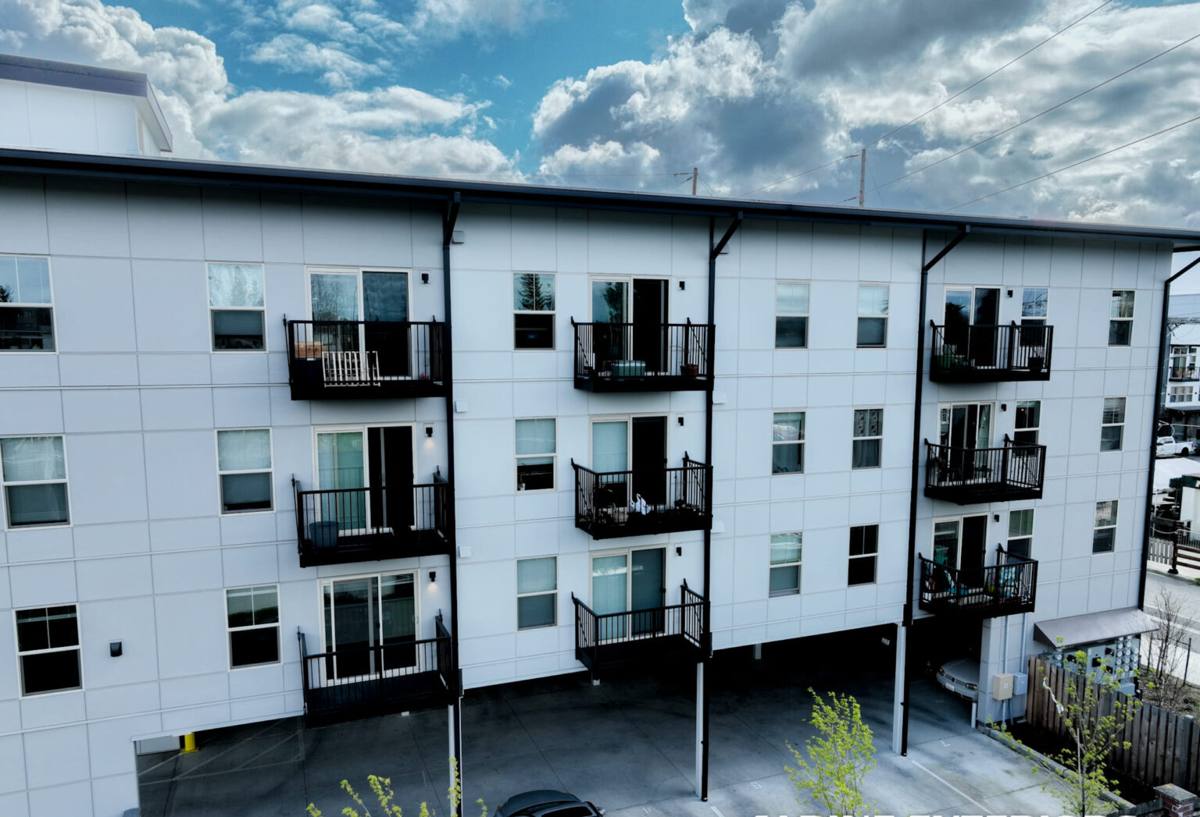
What Clearwater's Climate Actually Demands From a Window
Hurricane-Force Wind and Pressure
During a tropical storm or hurricane, wind doesn't just push against a window — it creates pressure differences that pull and flex the whole frame and glass assembly. A window that isn't rated for local wind loads, or one that's installed with the wrong fasteners or insufficient anchoring, can fail at the frame long before the glass itself breaks. That failure lets wind and water into the house, and once a window blows in, interior pressure can do serious damage to the rest of the structure.
Wind-Driven Rain
Even outside of named storms, Clearwater gets plenty of hard rain pushed nearly horizontal by Gulf breezes. Ordinary summer downpours test seals and flashing far more here than in most parts of the country. A window that's watertight in a gentle rain can still leak under wind-driven rain if the flashing and sealant details weren't done correctly during installation.
Year-Round UV Exposure
Florida sun is intense and constant, not seasonal. UV breaks down cheap vinyl, degrades seals, and fades interior floors and furniture through unprotected glass. Over years, UV exposure is what causes vinyl frames to chalk, warp, or become brittle, and it's a major factor in how long a window's seals actually last versus their rated lifespan.
Salt Air Corrosion
Being close to the Gulf means salt is in the air even on a clear day, and it settles on and around window hardware, screws, and frame components. Standard steel fasteners and lower-grade hardware corrode faster here than almost anywhere else in the country. This is one of the most overlooked factors in coastal window installation — the glass and frame might be rated for the coast, but if the fasteners and flashing tape aren't, the installation is only as strong as its weakest part.
Signs a Clearwater Home Needs New Windows or a Reinstall
Some of these are obvious, others get ignored for years because they seem cosmetic:
- Visible fogging or moisture between panes (failed seal on double-pane glass)
- Windows that are hard to open, close, or lock — often a sign of frame warping from heat or moisture
- Soft or discolored drywall, trim, or wood around the window frame (water intrusion)
- Chalky, brittle, or discolored vinyl that didn't look this way a few years ago
- Visible daylight or a draft around the frame when the window is closed
- Rust staining on hardware, hinges, or fasteners
- A noticeable jump in cooling costs without other explanation
- Windows that predate current Florida wind-load requirements for your area
Any one of these on its own might just mean a repair. Several at once, especially combined with an older original installation, usually means it's time to talk about replacement rather than patching the same problem again next hurricane season.
What a Correct Window Installation Actually Involves
The window product itself gets most of the attention, but in our experience, installation quality is what actually determines whether a window performs for 20 years or causes problems in five. A correct installation in a coastal climate like Clearwater's includes:
Proper Rough Opening Prep
Removing the old window without damaging the surrounding structure, inspecting the wall cavity and sill for existing water damage or rot, and correcting any of that before the new window ever goes in. Installing a new window over a compromised opening just hides a problem instead of fixing it.
Flashing and Weatherproofing
This is the part that's invisible once the job is done, and it's where most leaks actually originate. Correct flashing sequencing — sill pan, side flashing, and head flashing installed in the right order with proper overlaps — is what keeps wind-driven rain from working its way behind the window over time.
Anchoring for Wind Load
Fasteners, spacing, and anchoring method have to match both the window's design pressure rating and the actual wall construction (block, wood frame, or stucco over frame). Under-fastening a window that's technically rated for high wind loads defeats the purpose of buying that window in the first place.
Sealing and Insulation
Low-expansion foam or backer rod and sealant around the frame, done correctly, controls both air infiltration and moisture without overfilling the gap and bowing the frame inward — a common mistake with spray foam applied too aggressively.
Interior and Exterior Finish Work
Trim, caulking, and paint or sealant matched to the exterior finish so the completed job looks intentional and doesn't leave gaps that become entry points for water down the road.
Choosing the Right Window for a Clearwater Home
There's no single "best" window for every house — it depends on your budget, how exposed your home is to direct wind and salt spray, and whether you're prioritizing storm protection, energy efficiency, or upfront cost. Here's how the main options generally compare for a coastal Tampa Bay property:
| Option | Storm Performance | Maintenance | Typical Cost Position |
|---|---|---|---|
| Standard non-impact vinyl | Requires separate shutters or panels for storm protection | Low, but UV and salt exposure shorten lifespan without quality-grade materials | Lowest upfront cost |
| Impact-rated laminated glass, vinyl frame | Built-in wind-borne debris protection, no separate shutters needed | Low; hardware and frame quality matter more than the glass itself | Mid-range |
| Impact-rated, aluminum or reinforced frame | Strongest wind-load and impact performance for exposed locations | Low, but aluminum needs corrosion-resistant hardware near the coast | Higher upfront cost |
| Standard glass + accordion or panel shutters | Effective protection, but requires deployment before every storm | Shutters need periodic hardware maintenance and manual effort | Lower window cost, added shutter cost |
We'll walk through which of these makes sense for your specific home, your budget, and how exposed your property is — a house a few blocks off the water often has different needs than one further inland, even within the same Clearwater neighborhood.
A Note on Frame Materials We Install
We're selective about the frame and hardware grade we put into coastal homes. Lower-grade vinyl and standard steel fasteners can look identical to better-grade options on a showroom floor, but they don't hold up the same way once they're exposed to years of salt air and UV. Our standard is to spec hardware and sealants rated for coastal exposure, even when it costs a little more up front, because redoing a window in five years costs everyone more than doing it right the first time.
Our Installation Process, Start to Finish
- On-site assessment — we look at your existing windows, the wall structure behind them, and any signs of past water intrusion before recommending anything.
- Product selection — we go over frame, glass, and wind-rating options based on your home's exposure, budget, and priorities.
- Accurate measurement — every opening gets measured individually; older Florida homes are rarely perfectly square, and assuming they are leads to bad fits.
- Permitting — window replacement in this area generally requires a permit tied to current wind-load codes; we handle that paperwork rather than leaving it on you.
- Removal and prep — old windows come out carefully, and we inspect and repair the opening before anything new goes in.
- Installation — proper flashing, anchoring, and sealing, done in the sequence that actually keeps water out.
- Final inspection and walkthrough — we check operation, seals, and finish work with you before considering the job done.
Permits, Wind Codes, and Why That Matters Here
Window replacement in the Tampa Bay area isn't a job you can casually swap on a weekend and expect it to hold up. Local building departments require permits for window replacement, and the products used have to meet the wind-load and impact requirements that apply to your specific location and how exposed it is. Skipping the permit might save time upfront, but it can create real problems later — from failed inspections during a home sale to insurance complications if a window installed without permit or up to code fails during a storm.
We pull permits as a standard part of the job and make sure the products we install carry the ratings your area's code requires. It's not an upsell — it's what correct actually means here.
Why a Crew That Already Works in Clearwater Makes a Difference
Window installation isn't identical everywhere. A crew that mostly works inland or in a different climate can put in a technically fine window and still miss the coastal-specific details — the right flashing sequence for wind-driven rain, hardware that won't corrode in salt air, anchoring that accounts for real wind exposure rather than a generic minimum. A crew that regularly works Clearwater and the surrounding Tampa Bay area already knows:
- Which parts of the local code apply to window replacement and how permitting typically goes
- What older Clearwater and Tampa-area homes commonly have hiding behind the trim once a window comes out
- How exposure varies block by block near the coast, and how that should change the product recommendation
- Which hardware and sealant grades actually hold up locally versus which ones look fine on paper
That familiarity isn't a marketing point — it's the difference between a window that's installed and a window that's installed correctly for where it actually sits.
What This Typically Costs
Costs vary a lot based on window size, how many you're replacing, frame material, and whether you're moving up to impact-rated glass. As a general guide, expect standard vinyl replacement windows to run toward the lower end of the market, impact-rated vinyl to sit in the middle, and impact-rated aluminum or larger custom sizes to run higher. The most accurate number comes from an in-person assessment — we'll give you a straight answer on both product and installation cost once we've actually looked at your windows and openings.
If you're dealing with drafty, fogged, or aging windows on a Clearwater home, or you're planning ahead of hurricane season, we're happy to come take a look and give you a straightforward, no-pressure estimate — just fill out the form below to get started.