 Tampa Window
 Siding Replacement in Carrollwood: A Job Built Around Hillsborough County's Climate
Carrollwood is one of the more established residential pockets in the Tampa area — an unincorporated community in Hillsborough County built up over decades, known for its heavy oak canopy and the small lakes scattered through its neighborhoods. That maturity is part of the appeal, but it also means a lot of the homes here are carrying original or aging siding that's had a long time to absorb Tampa's weather. We do siding replacement work throughout Carrollwood, and we install exactly one siding system: James Hardie fiber cement. That's not a default or a lack of options — it's a standard we hold because of what this climate does to exterior materials over time.
This page is about siding replacement specifically, not siding in general. If you're weighing whether your Carrollwood home needs new siding, what a correct replacement job actually involves, and why the crew you hire matters as much as the material, this is written for that decision.
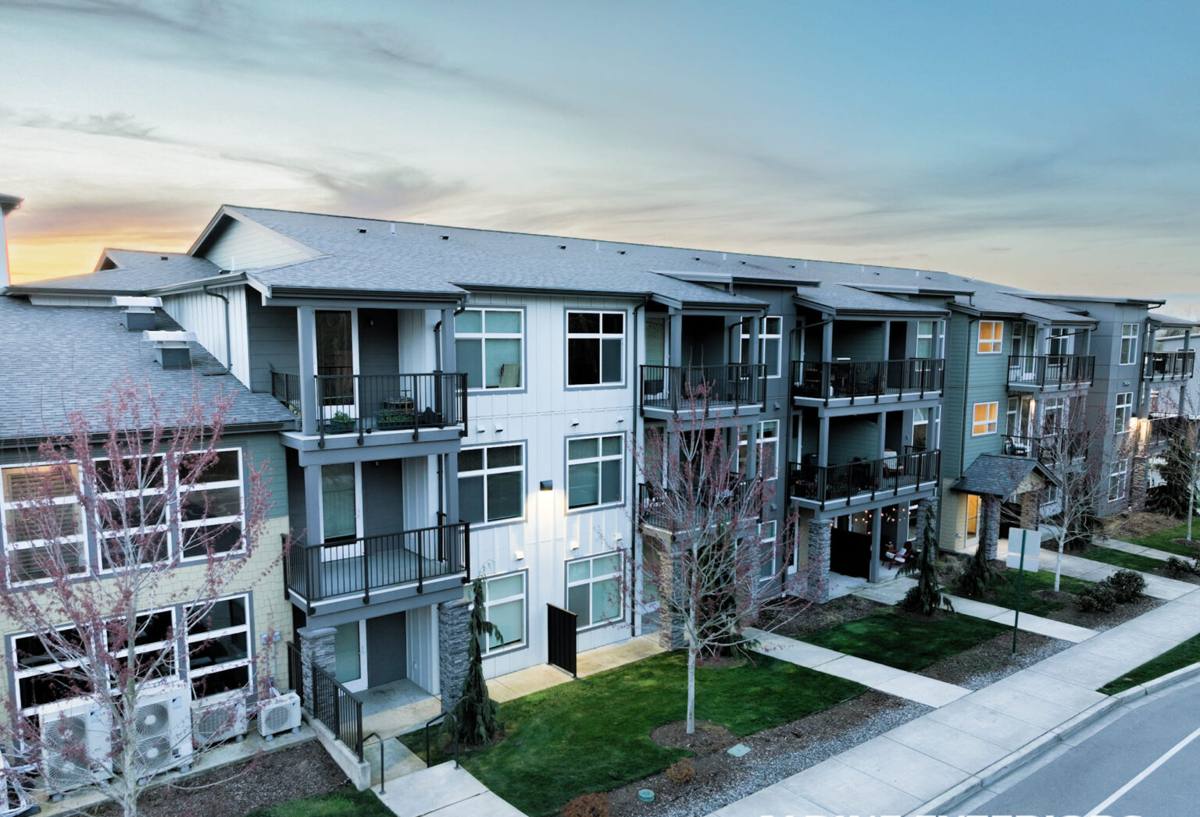
What Tampa's Climate Does to Siding in Carrollwood
Hurricane-Force Wind
Hillsborough County sits squarely in the path of tropical systems moving through the Gulf, and even when a storm's center passes well offshore, Carrollwood can still see sustained wind and gusts strong enough to test siding that isn't fastened correctly. Wind doesn't just push on a wall — it creates negative pressure that pulls at panels and lap boards from the outside, working loose any piece that was under-fastened or improperly lapped in the first place. Older siding installations, especially ones done to a lighter regional standard, are often the first thing to show damage after a windstorm.
Intense, Year-Round UV
Tampa doesn't get a real off-season for sun exposure. Siding here takes a steady, high-angle UV load essentially twelve months a year, and that constant exposure is what breaks down paint film, causes fading, and dries out caulking and sealants faster than in most of the country. On a mature Carrollwood lot with less tree cover than the neighborhood's oaks might suggest — south- and west-facing walls in particular — that UV load adds up year after year in a way that's easy to underestimate until the finish starts to chalk or fade unevenly.
Wind-Driven Rain
Florida rain rarely falls straight down during the summer storm season. It comes in sideways, driven by wind, and gets forced into every seam, joint, and piece of trim on a house's exterior. That's a different, harder test than a calm rain event — it's the pattern that finds a poorly lapped board, a gap in flashing, or a caulk joint that's already failing from UV exposure. A siding system and installation that can shrug off wind-driven rain repeatedly is doing real work in Carrollwood, not just sitting there for looks.
Humidity and Salt-Tinged Air
Carrollwood sits inland relative to Tampa Bay, so it isn't taking direct salt spray the way a waterfront property would. But Hillsborough County's air is humid essentially year-round, and onshore breezes off the Gulf and the bay still carry some salt content well inland, especially with a prevailing wind. Combined with high humidity, that means moisture is almost always present at the surface of a home's exterior, which is exactly the condition that punishes materials with weak moisture resistance or poor factory finishes.
Why We Only Install James Hardie Fiber Cement Siding
We used to have more products on the table. We narrowed to one — James Hardie — after enough years of tear-offs and service calls in Tampa-area neighborhoods like Carrollwood showed us a consistent pattern: the siding systems that held up were fiber cement installed to spec, and the ones that came apart early were almost always something else, or fiber cement installed carelessly.
- Non-combustible core: Fiber cement doesn't feed a fire the way wood-based or wood-derived siding products can, which matters for both safety and homeowners insurance in Florida.
- Factory-applied ColorPlus finish: The color coat is baked on in a controlled factory process rather than brushed or sprayed on-site, so it resists Tampa's UV load and fading far longer than field-applied paint.
- Climate-engineered HZ product line: Hardie's HZ5 formulation is built specifically for hot, humid, storm-prone climates like ours, with moisture and impact performance tuned for exactly these conditions.
- Dimensional stability: Fiber cement doesn't swell, cup, or warp the way engineered wood products can after repeated wetting and drying cycles in humid air.
- Strong transferable warranty: Hardie backs its products with a warranty structure that holds up well against the industry, as long as installation follows their published specifications.
We don't install LP SmartSide, vinyl siding, Cemplank, Allura, primed spruce, or cedar. Each has its place in the broader market, and plenty of homeowners are satisfied with them elsewhere. But given what a Carrollwood home's exterior actually deals with — sustained wind, near-constant UV, and wind-driven rain — we made a professional decision to install one system we're fully willing to stand behind rather than offer a cheaper alternative that shifts long-term maintenance risk back onto the homeowner.
What a Correct Siding Replacement Job Actually Involves
Siding replacement is more than removing old boards and nailing up new ones. In a climate like Tampa's, the parts you don't see after the job is done are often what determines whether it lasts fifteen years or forty.
Tear-Off and Substrate Inspection
Once the old siding is off, the sheathing underneath gets a real inspection — not a glance. Water intrusion behind failing siding is common enough in older Tampa-area homes that finding soft or damaged sheathing at this stage isn't unusual, and it needs to be addressed before anything new goes up, not covered over.
Weather-Resistive Barrier and Flashing
A correctly installed weather-resistive barrier, combined with properly integrated flashing around every window, door, and penetration, is what actually keeps wind-driven rain out of the wall assembly. This layer does more of the real waterproofing work than the siding itself, and it's also the layer that's easiest to shortcut if a crew is moving too fast.
Fastening to Manufacturer Spec
James Hardie publishes specific fastener types, spacing, and placement requirements, and those specs exist because of exactly the wind loads Hillsborough County sees. Under-fastening, or using the wrong fastener for the substrate, is one of the most common reasons siding fails in a wind event — and it's invisible from the ground once the job is finished.
Joints, Caulking, and Trim
Every seam and joint is a potential entry point for wind-driven rain. Correct lapping, properly sized gaps at trim boards, and the right sealant applied correctly are what keep those joints closed under pressure, and they're also the details that show wear first if the original installation was done to a lower standard.
Installation Checklist We Hold Ourselves To
- Full substrate inspection before any new material goes up, with damaged sheathing repaired, not covered
- Weather-resistive barrier installed continuously, with no gaps at seams or penetrations
- Flashing integrated at every window, door, and roof-to-wall intersection
- Fasteners matched to substrate type, spaced and placed per James Hardie's published specifications
- Proper joint gaps and lapping maintained across the entire elevation, not just the visible faces
- ColorPlus-finished cut edges primed and sealed per manufacturer guidance
- Final walkthrough with the homeowner before the job is considered complete
Our Process, Start to Finish
- Free on-site estimate: We walk the exterior with you, look at the current siding's condition, and talk through what we're seeing and why.
- Written scope and pricing: You get a clear, itemized proposal — no vague allowances, no surprise change orders for things we should have caught up front.
- Scheduling around Tampa's weather: Florida's summer storm pattern means we build realistic timelines that account for likely afternoon rain delays rather than promising a schedule we can't hold.
- Tear-off and substrate repair: Old siding comes off, the sheathing gets inspected, and any necessary repairs happen before new material goes up.
- Barrier, flashing, and siding installation: Each layer goes on to manufacturer spec, in the sequence that actually keeps water out.
- Final walkthrough: We go over the finished work with you directly before calling the job done.
Signs a Carrollwood Home Needs Siding Replacement, Not Just Repair
- Visible warping, buckling, or boards pulling away from the wall, especially after a windy stretch
- Soft or spongy spots when you press on the siding, which usually points to moisture behind it
- Paint or finish that's chalking, fading unevenly, or failing to hold new paint
- Cracked or crumbling caulk at joints and trim that keeps reopening after being resealed
- Visible gaps at corners, window trim, or board laps that weren't there originally
- A musty smell or interior staining on walls that share an exterior wall with damaged siding
- Siding that's original to a home built decades ago and has never been fully replaced
Cost Factors in a Carrollwood Siding Replacement
Every home is different, and we won't quote a number without seeing the house, but these are the factors that actually move the price up or down on a real Carrollwood job.
| Factor | Why It Matters Here |
|---|---|
| Home size and wall area | More square footage of siding, trim, and joints to install correctly |
| Substrate condition | Water-damaged sheathing found during tear-off adds repair scope before new siding can go on |
| Siding profile chosen | Lap siding, board-and-batten, and shingle-style panels differ in material and labor per square foot |
| Number of stories and roofline complexity | Multi-story walls and complex rooflines mean more cutting, flashing, and staging time |
| Trim and accent work | Window surrounds, corner boards, and frieze detail add labor beyond flat wall coverage |
| Access and site conditions | Mature landscaping, tight lot lines, or limited driveway access can slow staging and material handling |
Why Hiring a Crew That Already Works Carrollwood Matters
Siding replacement is a permitted job in Hillsborough County, and the permitting and inspection process runs a little differently than it does in neighboring jurisdictions. A crew that already works this area knows the local process, has a working relationship with the inspectors who sign off on the job, and isn't learning Hillsborough County's requirements on your project. That familiarity translates into fewer scheduling surprises and a smoother path from tear-off to final inspection.
There's also a practical, on-the-ground reason local experience matters: a crew that's replaced siding across Carrollwood's mix of mature, tree-shaded lots and more open ones has already seen how differently those two conditions age a house's exterior. A shaded, humid lot holds moisture longer and needs more attention to ventilation and drying; a sun-exposed wall takes the fuller brunt of Tampa's UV load. Knowing which condition you're dealing with before the first board comes off changes how the job gets planned, not just how it looks when it's done.
Living With Hardie Siding in Tampa's Climate
Once new James Hardie siding is installed correctly, it asks for very little — no annual repainting, no swelling or rot to watch for, and a factory finish that's built to hold color under sustained Florida sun. That said, "installed correctly" and "left alone forever" aren't the same thing. An occasional rinse to clear pollen, dust, and salt-tinged residue, along with a visual check after any major storm, is a reasonable amount of upkeep for a material designed to handle this climate for decades. If a hurricane or tropical system does bring debris impact or wind damage, Hardie's transferable warranty is there to back the material itself, and a correctly installed job makes any warranty claim far more straightforward to resolve.
Let's Look at Your Carrollwood Home
If your siding is original, showing wear, or you're just not sure whether repair or full replacement makes sense, we'll come look at it in person and give you a straight answer — no pressure, no obligation. Use the form below to request a free estimate.