 Tampa Window
 When Tampa Bay Weather Finds the Weak Spot in Your Roof
Brandon sits inland from Tampa Bay, but that doesn't spare it from what the Gulf throws at Hillsborough County every year. Summer storms roll through almost daily from June through September, hurricane season brings sustained high winds and wind-driven rain that finds every gap in a roof system, and the sun beats down with enough UV intensity, even in the cooler months, to break down roofing materials faster than in most of the country. Add in the humidity that never fully lets a roof dry out and the occasional salt-laden air that drifts inland during coastal storms, and you have a climate that ages roofs quickly and punishes any repair that isn't done correctly the first time.
A roof repair in Brandon isn't the same job as a roof repair in a drier, calmer climate. The materials, the flashing details, and the sequencing all have to account for wind uplift and repeated water exposure. That's the standard we hold every repair to.
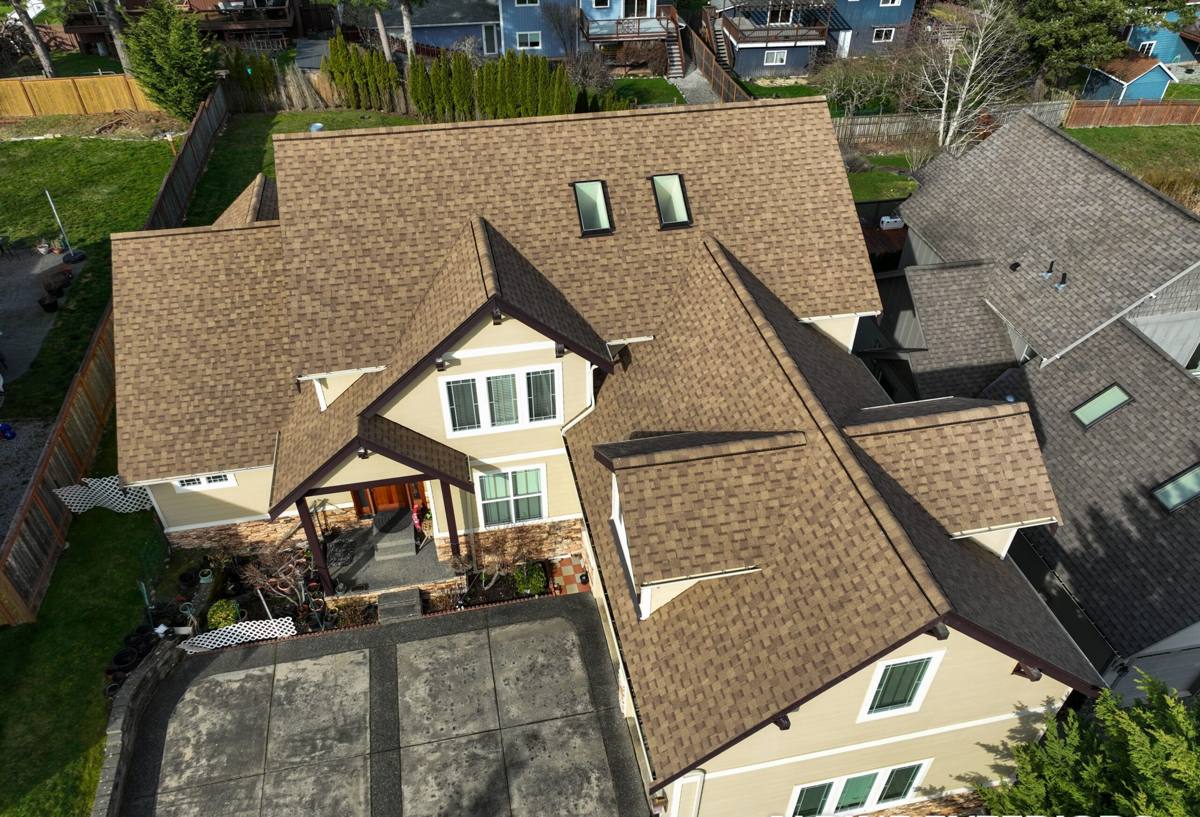
Where Brandon Roofs Fail First
After years of working on homes throughout this part of Hillsborough County, certain failure points show up again and again. Knowing where to look is half the job.
Shingle Lift and Granule Loss
Wind gusts get up under shingle tabs and break the sealant bond, especially on older roofs where the adhesive strip has already weakened from UV exposure. Once a shingle can lift, wind-driven rain gets pushed uphill underneath it during the next storm, and granule loss from years of intense sun exposure leaves the asphalt underneath brittle and prone to cracking.
Flashing at Chimneys, Walls, and Roof-to-Wall Transitions
Flashing is where most leaks actually start, not in the open field of the roof. Step flashing, counter-flashing, and the transitions where a lower roof meets a wall take direct water pressure during wind-driven rain. Sealant-only patches over old flashing are a common shortcut that fails within a season or two in this climate.
Valleys and Low-Slope Sections
Valleys carry a huge volume of water off the roof during a heavy downpour, and low-slope sections over porches or additions don't shed water as fast as the main roof planes. Both areas need proper underlayment and, in many cases, metal valley flashing rather than just woven or cut shingles.
Soffit, Fascia, and Drip Edge
Once water gets past the roof deck, it travels along the eaves. Soft, discolored soffit or fascia boards are usually a sign that a repair has been needed for a while, and missing or improperly lapped drip edge lets water wick back under the roofing material at the eave line instead of dripping clear.
What a Correct Roof Repair Actually Involves
A repair that actually holds up in this climate goes beyond covering a visible hole. It means:
- Pulling back enough surrounding material to see how far water has already traveled, not just patching the spot that's leaking now
- Replacing damaged underlayment, not just the shingles or tiles on top of it
- Matching shingle type, color, and profile as closely as possible so the repair doesn't stand out or create a mismatched wear pattern over time
- Rebuilding flashing details with proper metal and correct laps, rather than relying on sealant as the primary water barrier
- Re-nailing or re-fastening to current wind-resistance practices, since older repairs are often under-fastened for today's storm intensity
- Checking the roof deck itself for soft spots or rot before closing the repair back up
Skipping any of these steps is how a "fixed" roof ends up leaking again in the next hurricane season.
Our Roof Repair Process
Inspection
We start on the roof and in the attic if accessible. Water rarely shows up where it enters, so we trace staining, trapped moisture, and deck condition back to the actual source before recommending anything.
Written Scope
You get a clear, written explanation of what's actually wrong, what we plan to do about it, and why. No vague line items. If there's a decision to make between a targeted repair and a larger fix, we lay out the trade-offs honestly.
Repair Day
We work efficiently to keep the roof open for as little time as possible, especially during storm season, and we protect landscaping, gutters, and the areas below the work zone while we're up there.
Cleanup and Documentation
Nails and debris get cleared with a magnetic sweep of the ground, and we document the completed repair with photos for your records — useful for insurance files and for your own peace of mind.
Repair or Replace? How We Help You Decide
Not every roof problem calls for a full replacement, and not every repair is the right long-term call. We walk through the same factors with every homeowner:
| Factor | Leans Toward Repair | Leans Toward Replacement |
|---|---|---|
| Roof age | Roof is within its expected service life | Roof is near or past the manufacturer's expected lifespan |
| Extent of damage | Isolated to one area (a valley, a flashing point, storm impact) | Widespread granule loss, multiple failure points, or deck damage in several spots |
| Repair history | First or second repair on this roof | This is the third or fourth repair in a short span |
| Insurance situation | Damage is minor and out-of-pocket cost is reasonable | Storm damage is significant enough to justify a claim |
| Future plans | You plan to be in the home short-term | You're staying long-term and want to stop recurring repair costs |
We'll never push a full replacement when a proper repair will genuinely hold up — and we'll tell you plainly when a repair is just delaying the inevitable.
Repair Approaches by Roofing Material
Brandon has a mix of roofing types across its neighborhoods, and the right repair approach depends on what's already on the house.
| Material | Common Failure Point | Repair Approach |
|---|---|---|
| Asphalt shingle | Wind-lifted or cracked tabs, granule loss, exposed nail heads | Remove and replace affected shingles and underlayment, re-seal or re-nail surrounding tabs, match style and color |
| Concrete or clay tile | Cracked or slipped tiles, failed underlayment beneath sound tiles | Carefully lift and reset or replace individual tiles without disturbing the surrounding field, replace underlayment where compromised |
| Metal panel | Fastener backout, sealant failure at seams and penetrations, minor denting | Re-fasten with correct gasketed screws, rebuild sealant joints at seams and flashing, replace damaged panel sections |
What Affects the Cost of a Roof Repair
Costs vary enough from one roof to the next that we don't quote sight-unseen, but these are the factors that move the price up or down:
| Factor | Effect on Cost |
|---|---|
| Size and location of the damaged area | A small, accessible flashing repair costs far less than a multi-point repair spread across the roof |
| Roof pitch and accessibility | Steep or high roofs take longer and require more safety setup |
| Underlying deck condition | Rotted decking adds material and labor beyond the visible roofing repair |
| Material matching | Older or discontinued shingle or tile profiles can be harder to source and match |
| Number of penetrations involved | Chimneys, vents, and skylights each add flashing detail work |
We give you a firm, written number before any work starts — never a moving target.
Why a Crew That Already Works Brandon Matters
Roofing rules and permitting in Hillsborough County aren't identical to neighboring jurisdictions, and a crew that already pulls permits and schedules inspections locally moves through that process without the delays an out-of-area company runs into. We're also familiar with the wind mitigation documentation many insurance carriers want to see after a repair, which can matter for your premium.
Just as important is response time. After a wind or hail event, roofing companies get flooded with calls, and crews without an established local presence often show up weeks later, if at all. A crew already working in Brandon and the surrounding Tampa area can typically get eyes on your roof faster, and a fast temporary fix after a storm — a tarp, a sealed flashing point — can be the difference between a contained repair and a much larger interior damage claim.
Simple Roof Maintenance Homeowners Can Do Between Inspections
A little attention between professional inspections goes a long way in this climate:
- Walk the yard after any strong storm and look for shingle pieces, granules in the gutters, or bent flashing on the ground
- Check ceilings and the attic (if accessible) for new stains, especially after heavy rain
- Keep gutters clear so water doesn't back up under the eave line
- Trim back tree limbs that hang over or rub against the roof surface
- Have the roof looked at after any hurricane or major wind event, even if you don't see obvious damage from the ground
- Note the date of your last roof inspection so you're not guessing when the next one is due
Catching small issues early is almost always cheaper and less disruptive than waiting for a leak to show up inside the house.
If you're dealing with a leak, storm damage, or just want a second opinion on your Brandon roof, we're glad to take a look. Fill out the form below for a free, no-pressure estimate — we'll tell you honestly what your roof needs and what it doesn't.