 Tampa Window
 Why Board & Batten Is Showing Up on So Many Brandon Homes
Board and batten has become one of the most requested siding styles in Brandon over the past several years, and it's easy to see why. The vertical lines and crisp shadow lines read as modern farmhouse on a new build, but the same profile also works on a 1980s ranch that needs a facelift. It's a look that photographs well, sells well, and fits the mix of new construction and older homes you find throughout this part of Hillsborough County.
The style is simple in concept: wide flat panels installed vertically, with narrower strips (battens) covering the seams between them. What separates a board and batten job that looks sharp for twenty years from one that starts showing problems in three isn't the design — it's the material underneath it and how it's fastened to the house. That's where a lot of Brandon homeowners get steered wrong, usually toward a cheaper vinyl version of the same look.
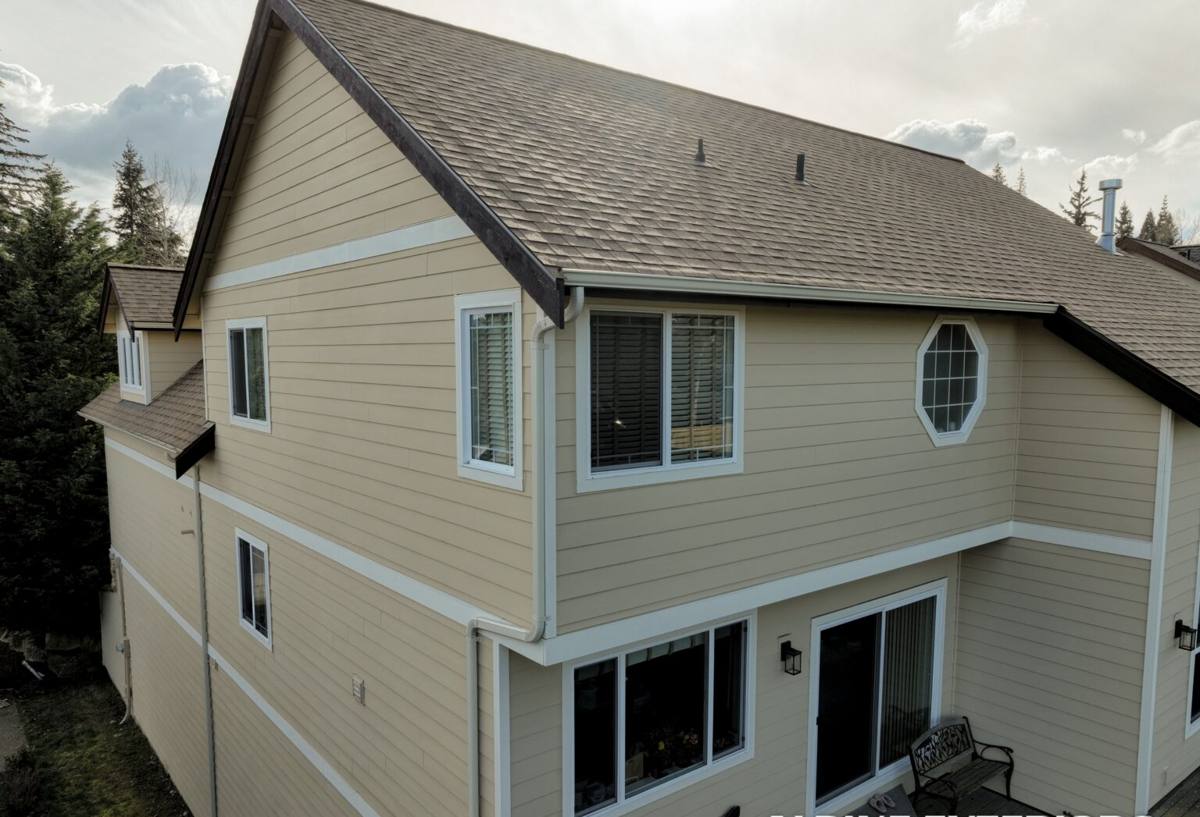
What Brandon's Climate Actually Does to Vertical Siding
Heat and Year-Round UV
Central Florida sun is relentless, and a west- or south-facing wall in Brandon can sit at high surface temperatures for most of the afternoon, nearly every month of the year. Materials that aren't engineered for that kind of sustained UV and heat load fade unevenly, and anything with a painted-on finish rather than a baked-in one will need repainting far sooner than the homeowner expects.
Wind and Wind-Driven Rain
Hillsborough County sits in Florida's hurricane corridor, and even in years without a direct hit, Brandon sees tropical storms and strong summer squalls that drive rain sideways into exterior walls. A board and batten system with the wrong fastening pattern, wrong gap spacing, or missing flashing details won't necessarily fail the day it's installed — it fails the first time wind-driven rain finds a way behind the panel.
Humidity and Inland Salt Exposure
Brandon sits inland from Tampa Bay, so it doesn't take the direct salt spray that waterfront neighborhoods deal with, but the air across this whole region still carries salt and near-constant humidity. Combined with Florida's long, wet summers, that moisture load is hard on any siding material that isn't formulated to resist it, and it's part of why we don't treat a Brandon installation the same as we would in a dry climate.
Why We Install Board & Batten Only in James Hardie Fiber Cement
We get asked fairly often why we won't quote vinyl board and batten, since it's cheaper and widely available. The honest answer is that vinyl board and batten is a thin, hollow product stretched over a look it wasn't originally designed for. In Florida heat, vinyl panels expand and contract more than fiber cement, which shows up as waviness (installers call it "oil-canning") along those long, flat board faces — and it's most visible on a style like this one, where the flat panel is the whole point. Wood board and batten has the opposite problem: it looks and performs beautifully at first, but it's an organic material in a humid climate, and it needs ongoing painting, caulking, and vigilance against rot and wood-boring insects.
James Hardie fiber cement solves both problems. It's dimensionally stable, so it doesn't expand and contract the way vinyl does, which keeps those long vertical lines straight. It's non-combustible. And it's manufactured in an HZ10 formulation specifically engineered for high-humidity, high-moisture climates like ours, rather than a one-size-fits-all mix. The factory-applied ColorPlus finish is baked on and warranted against fading in a way that field-applied paint on wood — or the molded-in color of vinyl — simply can't match under year-round Florida UV.
What a Correct Board & Batten Installation Actually Involves
Board and batten is less forgiving of shortcuts than lap siding, because every seam and every batten is a visible design line as well as a water-management detail. A correct installation includes:
- A compliant water-resistive barrier installed and lapped correctly behind the panels, inspected before anything is covered up
- Proper flashing at every window, door, and roofline intersection, and a weep path at the base of the wall so any moisture that does get behind the siding can drain and dry out
- Panel joints and expansion gaps sized to the manufacturer's specification, not just "tight enough to look good"
- Battens fastened over solid backing — either studs or code-compliant furring — not just nailed through the panel into open air
- Fasteners driven to the correct depth and pattern; overdriven or underdriven nails are one of the most common causes of early siding failure
- Sealant used only at the specific joints the manufacturer calls for, not smeared across every seam as a substitute for correct flashing
Every one of those steps matters more in Brandon than it would somewhere with a milder climate, because wind-driven rain and sustained heat will find and exploit any detail that was rushed.
Our Process on a Brandon Board & Batten Project
We start with a walk-around of the house and, where we're replacing existing siding, a look at what's underneath once the old material comes off. Sheathing that's been sitting behind failed siding in a humid climate sometimes has hidden moisture damage, and we'd rather find that before the new siding goes on than have it become a problem later. From there, we install the water-resistive barrier and flashing details, hang the Hardie panels to the fastening schedule the manufacturer requires, and set the battens over the seams with consistent spacing and reveal. Panels and battens both arrive with the factory ColorPlus finish already applied, so the color is uniform across the whole wall rather than touched up on site. We finish with a walk-through so you can see the completed work and ask questions before we call the job done.
Board & Batten Material Comparison
| Factor | James Hardie Fiber Cement | Vinyl | Wood / Engineered Wood |
|---|---|---|---|
| Typical lifespan | 30+ years with proper install | 15-25 years, shorter in intense sun | Varies widely; heavy upkeep-dependent |
| UV/color stability | Factory ColorPlus finish, warranted | Fades and can chalk over time | Field-painted; repaint every few years |
| Wind/storm performance | Engineered and rated for high-wind installation | Can crack or blow off in high wind | Depends on fastening; prone to warping |
| Moisture/rot risk | Non-combustible, moisture-resistant HZ10 formula | Won't rot, but seams can trap moisture | Rot and insect risk in humid climates |
| Ongoing maintenance | Periodic cleaning; no repainting needed | Low, but limited repair options | Regular painting, caulking, inspection |
What Drives the Cost of a Board & Batten Project in Brandon
Every house is different, but the price of a board and batten job is usually driven by a handful of factors rather than the siding material alone:
| Cost Factor | Why It Matters |
|---|---|
| Tear-off and prep | Removing old siding and repairing any water-damaged sheathing found underneath adds labor before the new siding goes on |
| Home size and story count | More wall area and second-story work both increase labor and equipment needs |
| Trim and corner complexity | Dormers, gables, and multiple roof intersections mean more custom flashing and cutting |
| Color and finish selection | Standard ColorPlus colors are typically more cost-effective than custom or specialty finishes |
| Batten spacing and reveal | Tighter batten spacing for a bolder look uses more material and installation time than a wider reveal |
Maintenance and Warranty
One of the practical advantages of a correctly installed Hardie board and batten system is how little it asks of you afterward. There's no repainting cycle to plan around, no caulking every seam every year, and no watching for rot at the bottom of the boards the way you would with wood. An occasional rinse to keep pollen, mildew spotting, and salt-laden grime from building up is generally all it needs. James Hardie backs its fiber cement products with a strong transferable warranty, and the ColorPlus finish carries its own separate finish warranty — both worth understanding fully before you sign a contract, since warranty terms vary by product line and installer certification.
What to Look for When Hiring a Board & Batten Contractor in Brandon
- Ask to see their fastening schedule and flashing details for board and batten specifically — it's a different technique than standard lap siding
- Confirm they're installing to Florida Building Code wind-load requirements and pulling the correct Hillsborough County permit
- Ask how they handle sheathing repair if moisture damage is found once old siding comes off
- Get specifics on batten spacing and reveal, since that's a design decision as much as an installation one
- Ask about their experience with James Hardie's HZ10 product line and factory ColorPlus finishes, not just fiber cement in general
- Find out whether they've worked in Brandon or nearby Hillsborough County neighborhoods recently, and what storm-related callbacks they've handled
If you're weighing board and batten for a Brandon home, we're happy to walk the property, look at what you're working with, and put together a straightforward, no-pressure estimate — just fill out the form below to get started.