 Tampa Window
 Window Replacement Built for Ybor City's Conditions
Ybor City sits close enough to Tampa Bay that its homes and commercial buildings take on a specific set of stresses most inland Hillsborough County properties don't deal with in the same combination: hurricane-force wind gusts, wind-driven rain that gets pushed sideways into window assemblies, intense year-round UV exposure, and a steady dose of salt air working on hardware and finishes. Add to that a housing stock that mixes older bungalows and converted brick buildings with newer infill construction, and window replacement in this neighborhood isn't a one-size-fits-all job. It calls for products rated for the coastal wind zone and an installation crew that understands how older Ybor City framing and newer construction each behave.
This page covers what window replacement actually involves for homes and small commercial buildings in Ybor City specifically — not a general overview of windows, but what matters for this neighborhood.
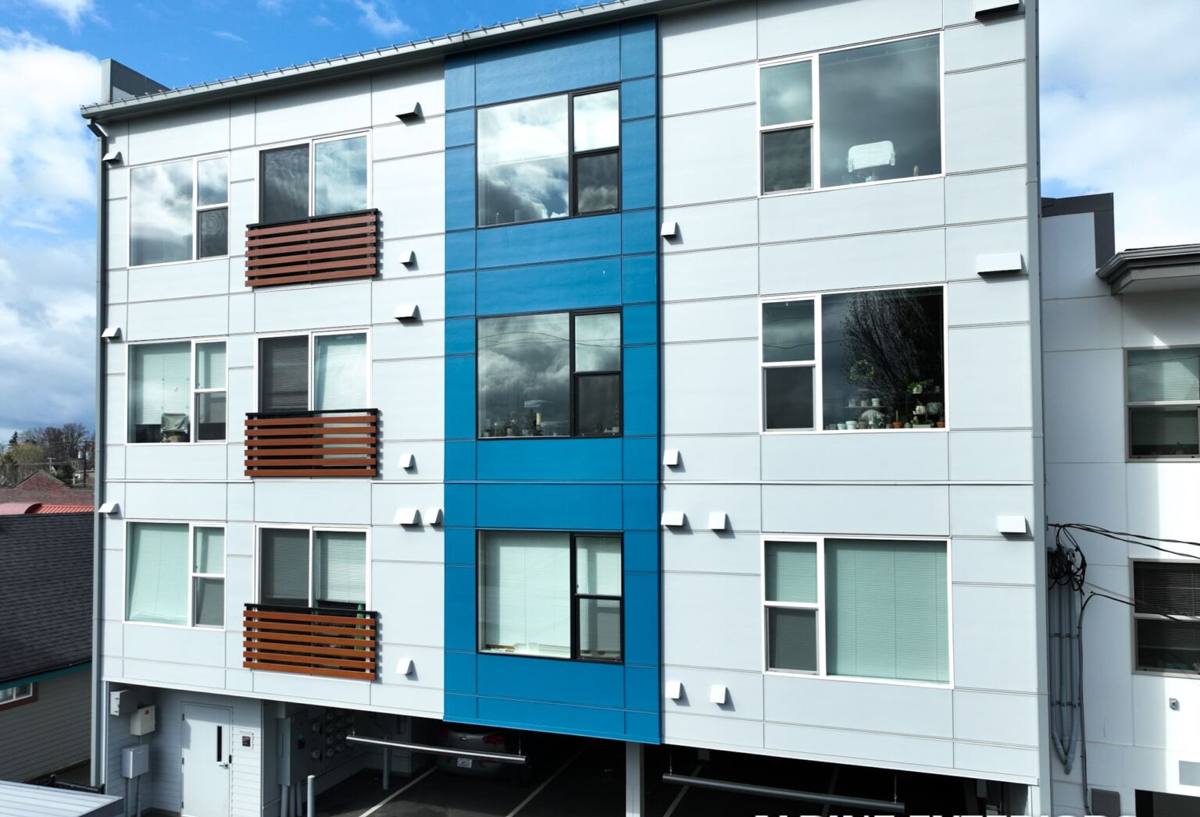
What Hurricane-Force Winds and Wind-Driven Rain Demand From a Window
Florida's building code requires windows in this part of the state to meet wind-load and impact standards tied to design pressure ratings, and Hillsborough County enforces this at the permit level. That's not a formality — it's the difference between a window that stays sealed and intact during a tropical storm or hurricane and one that fails at the frame, the seal, or the glass itself.
Two things matter more than most homeowners realize:
- Design pressure rating — how much positive and negative wind pressure the window assembly can take before failure. This has to match what's required for the structure's location and height, not just "hurricane glass" as a generic label.
- Installation quality — a correctly rated window installed with the wrong flashing, fastening pattern, or sealant will still leak or fail under wind-driven rain. The product rating only holds if the install matches the manufacturer's tested method.
Wind-driven rain is a separate problem from wind pressure. During a heavy storm, rain doesn't just fall on a window — it's forced horizontally and even upward into gaps around the frame. A window replacement that only addresses the glass and ignores flashing, weep systems, and sealant detailing will leak eventually, even if the glass itself never breaks.
UV Exposure and Salt Air: The Damage You Don't See Right Away
Tampa's UV exposure runs high nearly year-round, and it doesn't just fade interior furniture through old glass — it breaks down vinyl frames, degrades seals, and can cloud or delaminate lower-quality glazing over time. Homes with older single-pane or early double-pane windows in Ybor City often show this as yellowing frames, foggy glass between panes, or trim that's gone brittle.
Salt air is a slower but steady issue. Even a few miles from the water, airborne salt accelerates corrosion on hardware — hinges, locks, cranks, and screws — and can pit or dull certain metal finishes faster than in inland neighborhoods. This is one reason hardware material and finish matter as much as the glass package when you're replacing windows this close to the bay.
Signs a Ybor City Home Needs Window Replacement Rather Than Repair
- Fogging or visible moisture between panes of double-glazed windows (a broken seal — not fixable, only replaceable)
- Frames that are soft, warped, or show water staining below the sill
- Windows that won't stay open, lock securely, or seal fully when closed
- Noticeable drafts or street noise that wasn't there a few years ago
- Visible corrosion on hardware, or hardware that's seized from salt exposure
- A recent storm event that left cracked glass, bent frames, or damaged screens
- Energy bills that have climbed without a clear reason tied to usage
What a Correct Window Replacement Job Actually Involves
Swapping a window looks simple from the outside — old one out, new one in — but the parts that determine whether it performs for the next 15-20 years happen at the frame and the flashing, not the glass.
The Core Components of a Proper Install
- Removal and inspection — pulling the old unit and checking the rough opening for rot, water intrusion, or framing damage before anything new goes in. This step gets skipped by crews trying to move fast, and it's where hidden problems get missed.
- Flashing and moisture barrier detailing — sealing the opening so any water that does get past the window sheds outward and downward, not into the wall cavity.
- Correct fastening per the window's tested installation method — this is what preserves the manufacturer's design pressure rating. Substituting fastener type, spacing, or shim placement can quietly void the rating even if the window itself is correctly specified.
- Sealant application — the right sealant, applied correctly, at the interior and exterior joints.
- Interior and exterior trim-out — finishing the opening cleanly so it matches the surrounding wall or siding.
Frame Material and Glazing Comparison for This Climate
| Option | How It Handles Wind/Impact Codes | UV and Salt Air Behavior | Trade-Offs |
|---|---|---|---|
| Impact-rated vinyl | Meets code with laminated impact glass; common, cost-effective choice | Good UV-stabilized vinyl resists fading; low corrosion risk (fewer metal parts) | Frame color/finish options more limited than aluminum |
| Impact-rated aluminum | Strong strength-to-frame-size ratio, good for larger openings | Needs a quality finish to resist salt-air corrosion long-term | Can conduct more heat/cold than vinyl without thermal breaks |
| Non-impact + storm protection (shutters/panels) | Can meet code when paired with approved storm protection | Glass itself gets less UV/impact protection day-to-day | Requires active deployment before storms; added maintenance step |
| Laminated (non-impact-framed) glass | Does not meet impact code alone in most cases | UV-blocking interlayer helps reduce fading | Not a substitute for code-rated impact assemblies in this wind zone |
We install to the standard the property actually needs based on its wind zone and structure — not the cheapest option that technically passes, and not more than the situation calls for.
How Our Process Works
We keep the process straightforward and don't ask homeowners to manage details they shouldn't have to:
- On-site assessment — we look at existing windows, framing condition, and the specific exposure of the property (proximity to open water, sun orientation, current damage).
- Product and design pressure recommendation — matched to Hillsborough County code requirements for the property, not a generic recommendation.
- Written estimate — clear pricing and scope, no surprise add-ons buried in fine print.
- Permitting — pulled and handled correctly before work starts, which protects the homeowner if the work is ever reviewed at resale or insurance renewal.
- Installation — done to the manufacturer's tested method, with flashing and sealant detailing that actually holds up to wind-driven rain.
- Final walkthrough — checking operation, seals, and finish before we consider the job done.
Why Hiring a Crew That Already Works in Ybor City Matters
Ybor City has its own mix of building types and permitting realities. Some properties sit within designated historic district boundaries, which can add appearance and material considerations to the permitting process beyond a standard residential swap — a crew unfamiliar with that can cause delays or rework that a locally experienced team avoids from the start. Older brick and frame buildings in the area also tend to have rough openings that aren't perfectly square or standard-sized, which affects how flashing and shimming need to be handled — something a crew that's worked these buildings before will recognize immediately rather than discover mid-install.
Beyond the technical side, a contractor who regularly works Hillsborough County knows the current code requirements, has an established relationship with the local permitting process, and isn't guessing at wind zone requirements for this specific area. That familiarity shows up in fewer inspection issues and a job that's done right the first time.
Questions Worth Asking Before You Hire
- Are you licensed to perform this work in Hillsborough County, and can you provide proof of insurance?
- Will you pull the required permit, and is that included in the estimate?
- What design pressure rating are you specifying, and why does it fit this property?
- Do you have experience with older or historic-district properties in Ybor City specifically?
- What does your workmanship warranty cover, separate from the manufacturer's product warranty?
Maintenance That Extends the Life of New Windows Here
Even a correctly installed, code-rated window benefits from basic upkeep in this climate. Rinsing accumulated salt film off frames and hardware periodically, keeping weep holes clear of debris so water can drain properly, and checking sealant joints once a year for cracking or separation all go a long way toward getting the full lifespan out of the investment. None of this is complicated, but skipping it is how avoidable problems — corroded hardware, slow leaks — show up years earlier than they should.
If you're seeing drafts, fogged glass, stuck hardware, or storm damage on a Ybor City property, we're happy to take a look and give you a straightforward, no-pressure estimate — just fill out the form below.