 Tampa Window
 Ybor City's Climate Puts Real Stress on Windows
Ybor City sits close enough to Tampa Bay that its homes take on the same climate punishment as the rest of coastal Hillsborough County, just filtered through a neighborhood of older, tightly packed housing stock. Summers bring months of intense, direct UV exposure that breaks down vinyl frames, dries out old glazing putty, and yellows weatherstripping years before it should fail. Afternoon storms push wind-driven rain sideways into window openings, and in a hurricane, sustained winds and flying debris test every seam in a window assembly. Add the salt air that drifts inland off the bay and you get a slow, steady corrosion problem on metal hardware, screws, and aluminum frames that homeowners further inland simply don't deal with.
None of this is unique to any one house. It's the baseline every window in this part of Tampa has to survive, year after year. What changes from house to house is how well the windows were built and installed to begin with.
What Ybor City Homes Typically Need
Historic District Considerations
A meaningful share of Ybor City falls within a recognized historic district, which means window replacement isn't always a straightforward swap. Depending on the property and its designation, exterior-facing windows may need to preserve a certain look — divided-lite patterns, proportions, or frame profiles that match the original architecture — even when the glass and hardware inside are fully modern. Homeowners in this situation need a contractor who knows to check with the City of Tampa or Hillsborough County on historic preservation requirements before ordering product, not after.
Older Wood-Frame and Masonry Construction
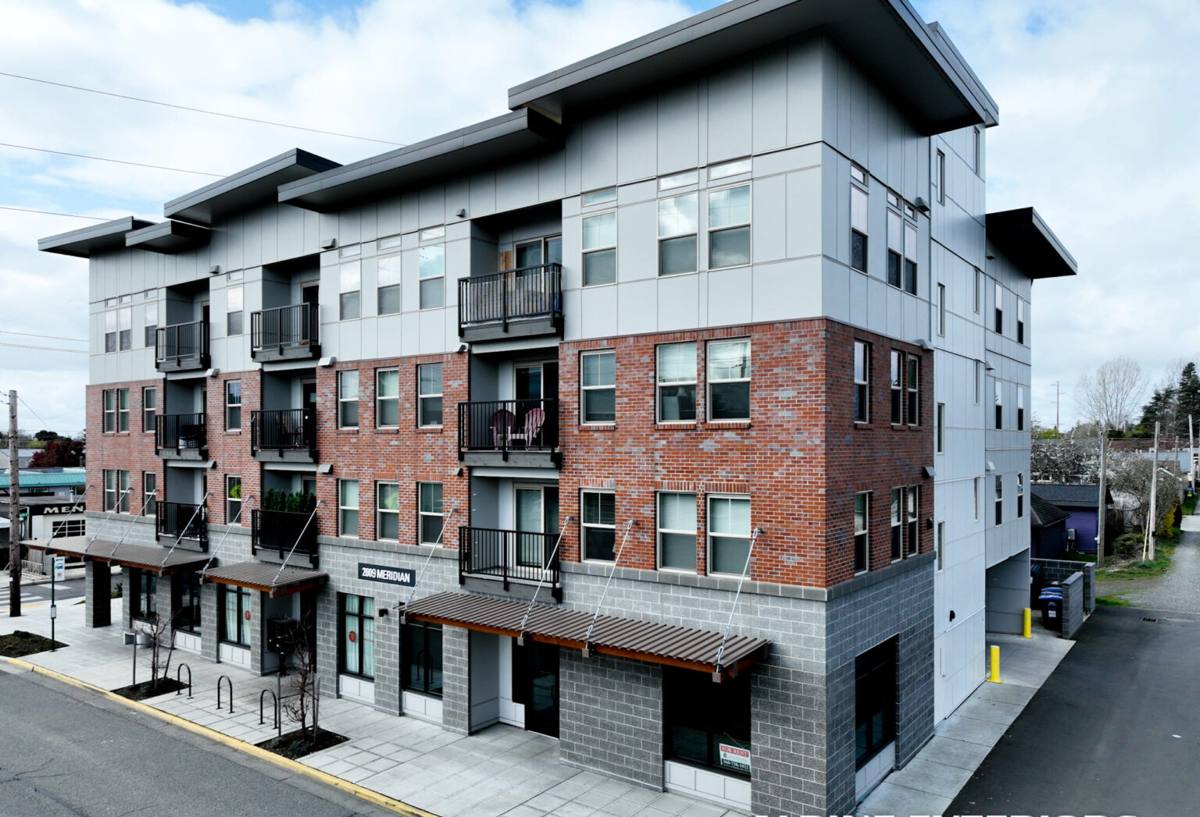
Many Ybor City homes were built decades ago with wood-frame construction or masonry walls, sometimes with rough openings that were never perfectly square to begin with and have since settled further. That means accurate field measurements and on-site fitting matter more here than they would in a newer subdivision home. It also means old openings often need extra attention to rot, termite damage, or crumbling stucco and mortar around the frame before a new window can be sealed in correctly.
Florida Building Code and Wind Requirements
Hillsborough County enforces the Florida Building Code, which sets minimum wind-load and, in many parts of the county, wind-borne debris protection requirements for replacement windows. What that means in practice: a window that would be perfectly acceptable in a lot of other states may not meet the pressure ratings or impact requirements called for on a Tampa-area home, depending on the property's location and exposure. Permitted window replacements typically need product that carries the correct Florida Product Approval, along with an installation method that matches how that product was tested.
This is also where corner-cutting shows up most. A window can be rated correctly on paper and still fail in a storm if it isn't anchored, flashed, and sealed the way its approval requires. The rating is only as good as the installation behind it.
What a Correct Window Installation Involves
Flashing and Sealing
Water intrusion around windows is rarely about the glass — it's almost always about what happens at the rough opening. Correct installation means flashing tape or pan flashing at the sill to direct any water that gets past the window back outside, a continuous bead of quality sealant at the right joints, and backer rod and low-expansion foam used correctly around the frame so the window can still move slightly with temperature changes without cracking the seal.
Fit and Fastening
The window has to be shimmed level, plumb, and square before it's fastened, and fastened with the type, spacing, and embedment depth specified by the manufacturer's tested installation instructions — not a generalized "screw it in every foot or so" approach. On masonry openings, that often means the right anchor type for block or brick rather than fasteners meant for wood framing.
- Rough opening checked for square, level, and sound framing or masonry before the window goes in
- Sill pan or flashing installed to direct water away from the structure
- Window shimmed and fastened per the manufacturer's tested instructions, not a generic pattern
- Sealant applied at the correct joints — not just a bead around the exterior trim
- Interior and exterior trim reinstalled or replaced without gaps that let air and moisture in
- Final check of operation, lock engagement, and weep holes clear of sealant or debris
Choosing the Right Window for This Climate
Frame material matters more in a coastal, high-UV climate than in most parts of the country. Here's how the common options generally hold up under Tampa Bay conditions:
| Frame Material | UV / Heat Behavior | Salt Air Resistance | Maintenance |
|---|---|---|---|
| Vinyl | Good if UV-stabilized; lower-grade vinyl can warp or discolor over time | Good — no metal to corrode | Low |
| Aluminum | Handles heat well structurally, but conducts it into the home | Prone to corrosion near the bay without coated or marine-grade hardware | Moderate — hardware needs periodic attention |
| Fiberglass | Very stable in heat and UV, minimal expansion/contraction | Good | Low |
| Wood (with cladding) | Authentic for historic-district properties, but the wood itself needs protection from UV and moisture | Vulnerable if not properly sealed and maintained | Higher — periodic refinishing or resealing |
For a historic Ybor City property, wood or wood-clad windows are sometimes the right call to satisfy district guidelines, but that choice comes with a maintenance commitment the homeowner should go in understanding. For everything else, we generally steer clients toward vinyl or fiberglass options with a documented Florida Product Approval rating suited to the home's wind exposure, because they hold up with the least upkeep in salt air and full sun.
Our Installation Process
- On-site assessment — we look at existing window condition, rough opening condition, and whether the property falls under any historic district guidelines.
- Product selection — we walk through frame material, glass package, and wind-rating options that fit the home and the budget, with the trade-offs explained plainly.
- Accurate measurement — every opening is measured individually rather than assumed to match, since older homes rarely have perfectly consistent openings.
- Preparation — old windows are removed carefully, and any rot, damaged framing, or deteriorated masonry around the opening is addressed before the new unit goes in.
- Installation — flashing, shimming, fastening, and sealing done to the manufacturer's tested method so the window's wind and water rating is actually valid, not just theoretical.
- Final check and cleanup — operation, locks, and weep holes are tested, trim is finished, and the job site is left clean.
Cost Factors to Expect
Every home is different, but a few factors consistently move the price on a Ybor City window project more than others:
| Factor | Why It Affects Cost |
|---|---|
| Wind/impact rating required | Higher-rated, impact-resistant glass and frames cost more than standard product |
| Historic district requirements | Matching approved profiles or using wood/wood-clad windows adds cost over standard vinyl |
| Opening condition | Rotted framing or deteriorated masonry found during removal adds repair work before the window can go in |
| Number and size of openings | Larger or custom-sized windows cost more per unit than standard sizes |
| Frame material | Fiberglass and impact-rated aluminum typically cost more upfront than standard vinyl |
We'll always give a clear, itemized quote before any work starts, and flag anything discovered mid-project — like hidden rot — before proceeding, not after.
Signs It's Time to Replace
- Windows feel warm to the touch or let in visible daylight around the frame
- Wood frames show soft spots, peeling paint, or visible rot
- Aluminum frames or hardware show white corrosion buildup or pitting
- Fogging or moisture between panes on double-pane units, indicating a failed seal
- Windows are difficult to open, close, or lock properly
- Noticeable draft or water intrusion during storms
- Rising energy bills without another clear explanation
Why a Crew That Already Works Ybor City Matters
A contractor who works Ybor City regularly already knows which blocks fall inside historic district boundaries, has been through the county permitting process for this kind of property before, and has handled the quirks of older wood-frame and masonry construction enough times to know what to check before opening up a wall. That familiarity shows up in fewer surprises mid-project, fewer permit delays, and a finished window that's actually sealed and fastened the way Hillsborough County's wind requirements assume it will be — not just one that looks fine from the curb.
If you're weighing a window project for a Ybor City home, we're happy to take a look and give you a straightforward, no-pressure estimate — fill out the form below and we'll get back to you.