 Tampa Window
 Roof Replacement Built for Ybor City's Climate
Ybor City sits close enough to Tampa Bay that its roofs take on a different kind of punishment than roofs a few miles inland. You've got the salt-laden air drifting off the water, the wind-driven rain that comes sideways during summer storms, and a sun that beats down on shingles and tile nearly every day of the year. Add in the occasional direct hit or near-miss from a tropical system, and it's no surprise that roofs in this part of Hillsborough County tend to age faster than the manufacturer's warranty paperwork suggests they should.
A roof replacement here isn't just about swapping old material for new. It's about choosing a system and installation method that actually holds up to Tampa's specific mix of heat, humidity, salt exposure, and wind — and having it installed by people who understand what that combination does to a roof over time.
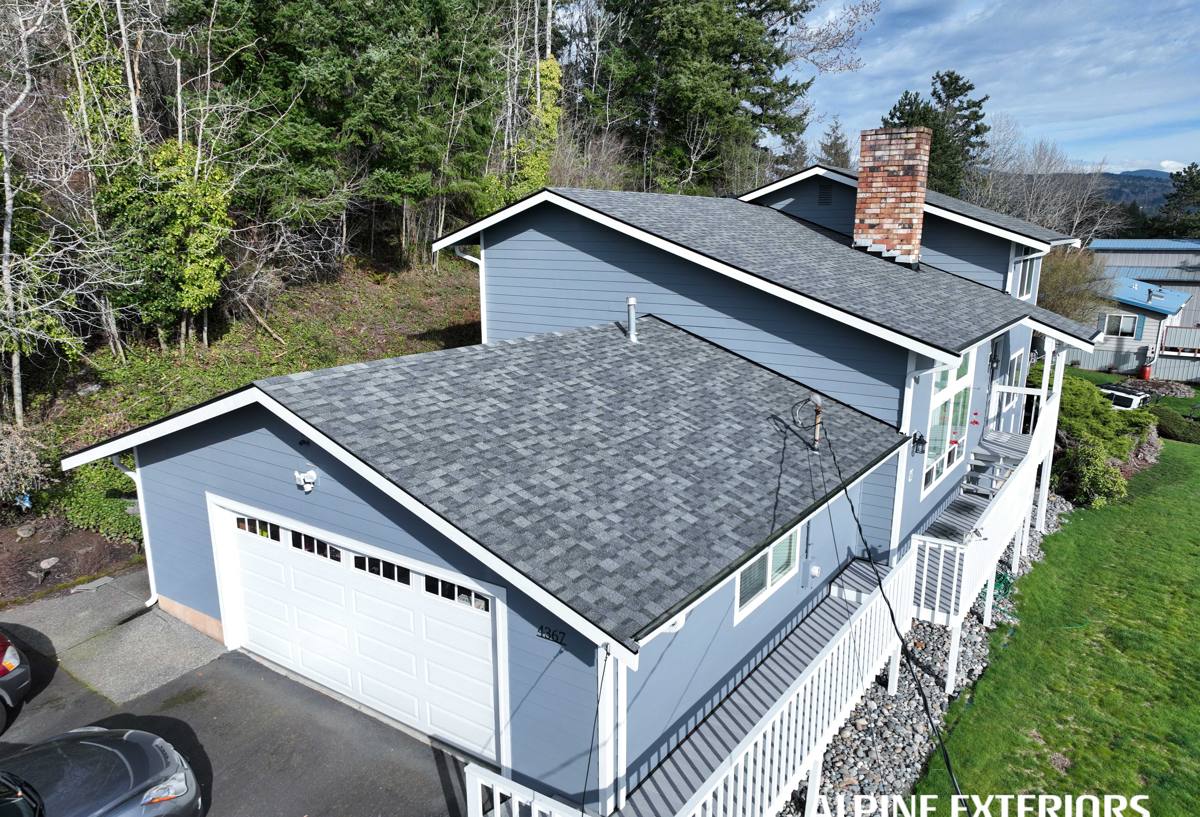
What Ybor City Homes Are Up Against
Ybor City's housing stock is a mix of historic bungalows, shotgun houses, and newer infill construction, many with roof lines and pitches that were never designed with modern hurricane-rated materials in mind. That creates a few recurring challenges:
- UV breakdown: Central Florida sun degrades asphalt shingle oils and cracks lesser-quality underlayment faster than in cooler climates, shortening the effective lifespan of a roof well below its rated years.
- Wind uplift: Tropical storm and hurricane winds test every fastener, nail pattern, and edge detail. A roof that looks fine from the ground can still be under-fastened where it matters most — the perimeter and ridge.
- Wind-driven rain: Florida storms rarely fall straight down. Rain gets pushed sideways and upward under shingle tabs and flashing, which means water intrusion often shows up at seams and penetrations rather than in the open field of the roof.
- Salt air corrosion: Proximity to Tampa Bay accelerates rust on exposed fasteners, metal flashing, and vents unless corrosion-resistant materials are used from the start.
- Heat and attic ventilation: Poor attic airflow bakes roofing material from underneath, which shortens shingle life and drives up cooling costs in a house that's already fighting Florida summers.
Signs Your Roof Needs Replacement, Not Another Repair
Not every roof problem calls for a full replacement, but there's a point where patching stops making financial sense. Watch for:
- Shingles that are curling, cupping, or losing granules in visible patches
- Multiple leaks in different areas, rather than one isolated spot
- Soft or spongy decking felt underfoot in the attic or from the roof surface
- Visible sagging along the roofline or between rafters
- A roof that's already 18-25 years old and has never been replaced
- Recurring repair calls for the same general area of the roof
- Daylight visible through the roof deck from inside the attic
- Rising energy bills with no other explanation
If you're seeing two or more of these, it's worth getting a straight answer on whether repair or replacement makes more sense for your budget and timeline.
Choosing a Roofing System That Fits This Area
There's no single "best" roof for every home — it depends on your roof pitch, budget, how long you plan to stay in the home, and how much maintenance you're willing to do. Here's how the common options stack up for a home in this climate:
| Material | Typical Lifespan | Wind Performance | Maintenance |
|---|---|---|---|
| Architectural asphalt shingle | 20-30 years | Good, with proper nailing pattern and rated products | Low to moderate |
| Metal roofing (standing seam) | 40-50+ years | Excellent when properly fastened | Low |
| Concrete or clay tile | 50+ years | Good, but individual tiles can dislodge in extreme wind | Moderate — periodic inspection of underlayment |
| 3-tab asphalt shingle | 15-20 years | Fair — lower wind rating than architectural shingles | Low to moderate |
For most Ybor City homes, we steer clients toward architectural shingles or metal roofing. Both give a strong balance of wind performance, upfront cost, and long-term durability without the structural weight considerations that tile can bring, especially on older framing that wasn't engineered for it. We're happy to walk through the honest trade-offs of each option for your specific roof rather than pushing whatever's easiest to install.
Underlayment Matters as Much as the Surface Material
What's under the shingles or metal panels does more work than most homeowners realize. A synthetic underlayment with proper overlap, along with self-adhered membrane at eaves, valleys, and around penetrations, is what actually keeps wind-driven rain out when a shingle or panel edge gets stressed in a storm. Skimping here is one of the most common ways a "new roof" ends up leaking within a few years.
What a Correct Roof Replacement Actually Involves
A roof replacement done right isn't just laying new shingles over old ones (which we don't do, and which most manufacturers won't warranty anyway). It's a sequence of steps, each of which matters:
- Full tear-off: Removing the existing roofing material down to the deck so we can inspect what's actually underneath.
- Deck inspection and repair: Replacing any rotted, delaminated, or water-damaged plywood or OSB before anything new goes down.
- Drip edge and starter course: Properly installed metal edging that directs water away from the fascia instead of behind it.
- Underlayment installation: Synthetic felt with self-adhered membrane at vulnerable points — valleys, eaves, around chimneys and vents.
- Flashing: New step flashing, counter-flashing, and pipe boots at every penetration and wall intersection, since old flashing is a common failure point even when the field of the roof looks new.
- Field installation: Shingles, metal panels, or tile installed to manufacturer spec and local wind-rating requirements, with correct nailing or fastening patterns.
- Ridge and ventilation: Proper ridge vent or attic ventilation to keep heat and moisture from building up under the new roof.
- Cleanup and final inspection: Magnetic sweep for nails, full site cleanup, and a walk-through so you know exactly what was done.
Permits, Codes, and Wind Requirements
Roof replacements in Hillsborough County require a permit, and the installation has to meet current Florida Building Code wind-resistance requirements for our area. That covers things like fastener spacing, underlayment type, and how the roof is tied into the structure at the edges and ridge. This isn't paperwork for its own sake — these requirements exist because of how many Florida roofs have failed at the edges and fasteners during storms, not in the middle of the field. We handle the permitting and inspection scheduling as part of the job, so you're not left chasing down the county on your own.
If your home is in a part of Ybor City with historic district considerations, there can also be additional review around visible materials and roofline changes. We'll flag that during the estimate if it applies to your address, rather than assume it either way.
How Our Process Works
We keep the process straightforward because a roof replacement is disruptive enough without added confusion:
- An in-person inspection of the roof, deck, and attic ventilation — not just a drive-by estimate
- A written proposal that spells out materials, scope, and cost, so there are no surprises mid-project
- Permit filing and scheduling handled on our end
- A defined install timeline, with most residential replacements completed in one to a few days depending on size and roof complexity
- Daily cleanup during the job, not just at the end
- A final walk-through before we consider the job done
Why It Matters to Hire a Crew That Works This Area
A roofing crew that regularly works Ybor City and the surrounding Tampa neighborhoods has already seen how the local combination of heat, salt air, and storm exposure plays out on real roofs over years, not just on a spec sheet. That shows up in small decisions — which fastener coatings actually hold up near the bay, how much ventilation an older attic really needs, where flashing tends to fail first on this area's roof styles. It also means we're not learning the county's permitting process or inspection expectations on your project; we've already been through it.
None of that replaces a careful, honest assessment of your specific roof. But it does mean fewer surprises, and a roof that's built with this climate in mind from the first shingle to the last.
Get a Straight Answer on Your Roof
If you're weighing repair versus replacement, or just want an honest read on how much life is left in your current roof, we're glad to take a look. Reach out for a free, no-pressure estimate — we'll walk the roof, explain what we find in plain terms, and give you options that fit your home and your budget.