 Tampa Window
 Roof Repair in Ybor City: A Historic Tampa Neighborhood That Asks a Lot of Its Roofs
Ybor City is one of Tampa's oldest and most distinctive neighborhoods, built up over more than a century around its cigar-industry roots, and that history shows up in the roofs we get called out to work on. Alongside newer construction, the district still has a mix of older bungalows, shotgun-style houses, and low-rise brick buildings that have been standing through generations of Florida weather. A roof in this part of Hillsborough County isn't just fighting age — it's fighting hurricane-force wind events, some of the most intense year-round UV exposure in the country, wind-driven rain that gets pushed sideways into every weak seam, and salt-laden air that travels well inland off Tampa Bay. Roof repair here has to account for all of that at once, not just patch whatever is visible from the ground.
Because of the mix of building ages and styles in Ybor City, no two repair calls look quite the same. A roof on an older frame house doesn't fail the same way a newer asphalt shingle roof does, and a low-slope roof on a converted commercial building has entirely different weak points than a steep-pitched residential roof a few blocks away. Getting the repair right means understanding what's actually on the roof and how Tampa's climate has been working against it, not applying a generic fix and hoping it holds.
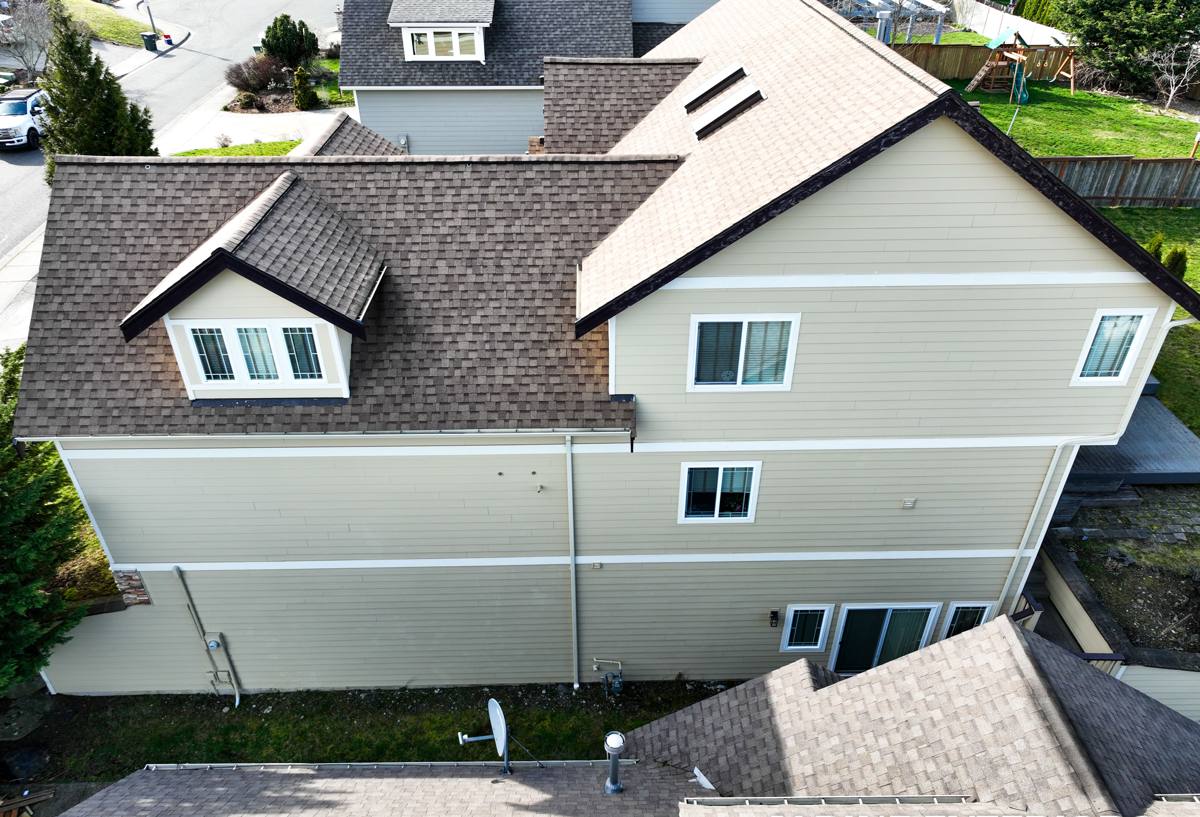
Why Ybor City Roofs Wear Differently Than Roofs in Milder Climates
Hurricane-Force Wind Uplift
Every hurricane season brings the risk of straight-line and rotational wind loads strong enough to lift shingle edges, tear ridge caps loose, and peel back underlayment at eaves, rakes, and parapet edges — the areas where wind pressure concentrates hardest. Even storms that don't cause obvious damage still loosen fasteners and break shingle seals a little more each time, which is why roofs that have "made it through" several seasons often need more repair attention than their age alone would suggest.
Intense, Nearly Year-Round UV Exposure
Florida sun is hard on every roofing material. UV radiation dries out asphalt shingle oils, breaks down sealants, and makes flashing cement and underlayment brittle well before a manufacturer's rated lifespan would predict in a less sun-intensive climate. On older Ybor City roofs, that accumulated UV exposure often means the material is more fragile than it looks, and a repair that requires lifting or working around existing shingles needs to account for that brittleness instead of assuming the material will flex the way newer product does.
Wind-Driven Rain
Tampa storms rarely fall straight down. Wind pushes rain sideways under shingle tabs, up under flashing laps, and into any gap that wouldn't leak in a calm rain. That's especially relevant on the district's mix of roof styles, since older buildings often have more roof penetrations, additions, and transitions — chimneys, vent stacks, dormers, roof-to-wall junctions — and every one of those details is a potential entry point during a wind-driven storm.
Salt Air Corrosion
Ybor City sits inland from the immediate waterfront, but Tampa Bay's onshore breezes carry salt-laden air well beyond the coastline, and that air accelerates corrosion on exposed metal roof components — flashing, drip edge, fasteners, vent caps, and gutter hardware. Corroded flashing is one of the more common hidden causes of a leak that seems to have no obvious source, and on older roofs where the original metal work may already be decades old, salt-air corrosion tends to be further along than a homeowner expects.
Ybor City's Building Stock: What It Means for Roof Repair
The neighborhood's history as a working cigar-industry community means the roofs we see span a wider range of ages and construction styles than in a typical newer subdivision. That mix matters when it comes to repair:
| Roof Type / Building Style | Common in Ybor City | What Repair Needs to Address |
|---|---|---|
| Asphalt shingle, steep-pitch (bungalows, houses) | Common on residential streets | Wind-sealed shingle integration, flashing at dormers and chimneys, granule loss from UV |
| Metal roofing | Present on some historic and updated residences | Fastener and seam integrity, corrosion at cut edges and penetrations, coating condition |
| Low-slope / flat roofing (older commercial and mixed-use buildings) | Common on converted brick storefronts and commercial structures | Membrane seams, ponding water points, parapet wall flashing, drain and scupper condition |
| Older or replaced roofing over original framing | Found on many longstanding structures | Deck condition beneath the surface material, whether prior repairs were done correctly |
A repair crew that only knows steep-pitch residential shingle work can miss what a low-slope commercial roof actually needs, and vice versa. Knowing the difference up front is part of doing the diagnosis correctly rather than guessing at a fix.
Signs a Ybor City Roof Needs Repair
Most repair calls start with something specific a homeowner or property owner noticed, not a full inspection. Watch for these:
- A water stain on an interior ceiling or wall, even if it's small
- Missing, cracked, curling, or lifted shingles, especially right after a storm
- Granules collecting in gutters or piling up near downspouts
- Rust streaking below flashing, vent boots, valleys, or metal roof seams
- Ponding water that doesn't drain within a day or two on a low-slope roof
- Soft, spongy spots underfoot when a roofer walks the surface
- Sagging visible from the ground, along a ridge or roofline
- A leak that only appears during wind-driven storms, not calm rain
- Cracked or missing sealant around chimneys, skylights, or pipe boots
Any one of these can usually be handled as a contained repair. Left through another Florida wet season and hurricane season, though, these small issues tend to compound into deck damage, interior water intrusion, or — on older structures — damage to framing that's already carrying decades of wear.
What a Correct Roof Repair Actually Involves
Finding the Real Source, Not Just the Symptom
Water travels before it shows up as a stain. A ceiling mark in one room can trace back to a flashing failure or a loose shingle course several feet away, and patching the visible symptom instead of the actual entry point is one of the most common reasons a repair doesn't hold. A correct repair starts with tracing the water's path — checking flashing, valleys, penetrations, and shingle or membrane courses uphill from the damage — before any material comes off the roof.
Matching Materials and Fastening for Wind Resistance
Shingle repairs need to tie into surrounding courses correctly, with fasteners placed and sealed the way code and the original installation call for, not just patched over the top. On older roofs, matching materials as closely as possible matters for how well a repair integrates with brittle, sun-weathered surrounding material — mismatched thickness or profile can create a stress point that fails again in the next windstorm.
Flashing, Valley, and Penetration Work
Given how much water intrusion traces back to flashing, we treat it as its own category of repair rather than something bundled in with shingle or membrane work. That includes step flashing at wall intersections, valley metal, parapet flashing on low-slope roofs, and the seals around chimneys, skylights, and roof penetrations — all common weak points, and all more exposed to salt-air corrosion in this region than in a drier inland climate.
Low-Slope and Flat Roof Considerations
On the district's older commercial and mixed-use buildings, repair work often centers on membrane seams, drains, and scuppers rather than shingles. Ponding water is the main enemy on a low-slope roof — it accelerates membrane breakdown and finds any seam weakness far faster than runoff on a pitched roof does, so a correct repair confirms the drainage path is actually working, not just that the leak point is sealed.
Repair Done to Hold Through the Next Storm Season
We fasten, seal, and flash the way the original installation should have been done, matching materials as closely as possible and integrating the repair into the surrounding roof system rather than patching over it. The goal is a repair that holds through the next hurricane season, not one that needs revisiting after the first hard wind event.
Cleanup and Documentation
We clear debris and old material from the site and, for storm-related repairs, provide documentation that's useful if you're filing an insurance claim.
How Our Process Works
- Assessment: We walk the roof (or inspect from a lift when pitch, height, or access requires it) and trace any leak back to its actual source rather than assuming the obvious spot is the cause.
- Written scope: You get a clear explanation of what's actually wrong and what the repair involves, in plain language, before anything starts.
- Repair: We do the work to code and manufacturer specification, matching materials where possible and prioritizing flashing and penetration details given how much of this region's water intrusion traces back to them.
- Cleanup and walkthrough: We clear the site and go over what was done, including documentation for storm-related repairs if you need it for insurance.
Why a Crew That Already Works Ybor City Matters
Roofing problems in this district follow patterns tied to the neighborhood's building stock — the same flashing details fail in the same ways on older frame houses, the same drainage issues show up on the same style of low-slope commercial roofs, and the same UV and wind stresses hit the same roof ages and orientations. A crew that regularly works in Ybor City has already seen how these different roof types hold up over time and knows what to check first instead of guessing. That translates into faster, more accurate diagnosis and fewer repairs that need a second visit.
It also means we're not driving in from across the region to handle a warranty callback or a follow-up question. If something about the repair needs a second look, we're already local and can get back out without a long delay — something that matters most right after a storm, when response time can be the difference between a contained repair and a much bigger interior repair bill.
What to Check Before Hiring a Roof Repair Crew
- Florida license and current insurance, confirmed before any work starts
- A written scope of work, not just a verbal quote
- Experience with your specific roof type — steep-pitch shingle, metal, or low-slope membrane
- Willingness to explain the actual cause of the problem, not just the fix
- Local presence, so a follow-up visit isn't a logistics problem
General Cost Factors for Ybor City Roof Repairs
Roof repair costs vary widely based on the scope of damage, roof pitch and access, roof type, and how much of the underlying deck or membrane needs attention. As a rough guide, small, contained repairs — a section of flashing, a handful of shingles, a resealed penetration, a patched membrane seam — tend to fall at the lower end of the range, while repairs involving deck replacement, extensive flashing work, or drainage correction on a low-slope roof run higher. Older buildings can also add cost if deck or framing damage is discovered once the surface material comes off, which is why we don't quote a firm number until we've actually seen the roof. We'll give you a real figure after a real assessment rather than a number pulled from a general estimate, since two roofs with similar-looking damage can have very different underlying causes.
If you've noticed a stain, missing shingles, ponding water, or a leak that only shows up in windy weather, it's worth getting a straight answer before another storm season passes. We offer free, no-pressure estimates for Ybor City homeowners and property owners — fill out the form below and we'll take a real look at what's going on.