 Tampa Window
 New-Construction Windows in Ybor City: What "Doing It Right" Actually Means
New-construction window work is a different job than a replacement. Instead of working around an existing frame, we're setting windows into a rough opening before or during the building process — new additions, room conversions, garage-to-living-space conversions, and full builds all fall into this category around Ybor City and the surrounding Tampa neighborhoods. Because the window becomes part of the wall assembly from the start, there's more opportunity to get the flashing, drainage plane, and structural connection right — and more consequence if it's done wrong, since problems get buried behind drywall and stucco for years before they show up as a stain or a soft spot.
For Hillsborough County homes, that matters more than in most parts of the country. Ybor City sits close enough to Tampa Bay that salt air is a real factor in hardware corrosion, and the broader climate — hurricane-force wind events, intense year-round UV, and wind-driven rain that doesn't just fall straight down but gets pushed sideways into wall assemblies — puts real stress on a new window opening from day one. A new-construction window installed correctly can outlast the rest of the exterior finish. One installed with a shortcut in the flashing sequence can start leaking before the first hurricane season is even over.
Why Ybor City's Building Stock Calls for Specific Attention
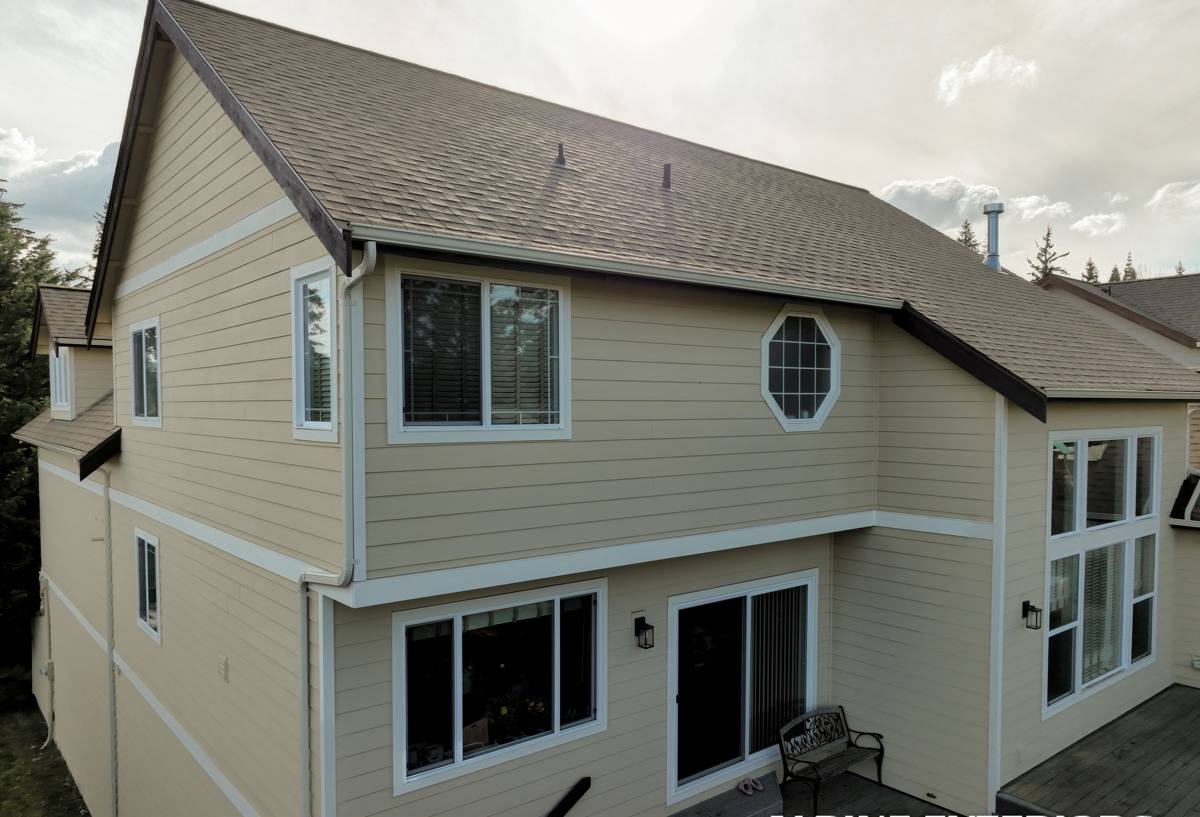
Ybor City is a mix of historic frame and masonry structures alongside newer infill construction and additions. That mix creates a few recurring conditions we plan for:
- Masonry and CBS wall assemblies common in older Tampa construction, which require different anchoring and sealant approaches than wood-framed walls.
- Additions and conversions tied into existing structures, where the new opening has to marry cleanly into old sheathing, siding, or stucco that wasn't built to today's code.
- Tight urban lots with less roof overhang and more direct sun and rain exposure on certain wall faces, which accelerates UV and moisture wear on frames and sealants.
- Older water-management details on adjacent construction that a new window opening has to tie into without disrupting how the rest of the wall sheds water.
None of this makes the job harder in a dramatic way — it just means a crew that treats every new-construction opening the same, regardless of what it's built into, is going to miss things that matter in this specific area.
What Hillsborough County Code Requires — and Why It's Not Optional
Hillsborough County follows the Florida Building Code, and in wind-borne debris regions like Tampa, new-construction windows have to meet impact or pressure ratings tied to the home's design wind speed and exposure category. This isn't a box to check for a permit — it's the difference between a window that stays in its opening during a major wind event and one that doesn't.
Every new-construction window we install carries a valid Florida Product Approval (FL#) or Miami-Dade Notice of Acceptance rating appropriate to the site's wind zone, and the installation itself — anchor type, anchor spacing, edge distance, sealant — has to match the manufacturer's tested installation instructions for that rating to actually apply. A correctly rated window installed with the wrong fastening pattern is not a correctly rated installation. This is one of the most common shortcuts we see corrected on other people's work, and it's one reason permitted, inspected new-construction window work matters.
What a Correct New-Construction Opening Includes
- Rough opening sized and squared to the manufacturer's tolerances before the window ever goes in.
- A complete flashing sequence — sill pan, jamb flashing, and head flashing — installed in the correct shingle-lap order so water is directed out, not in.
- Sealant and backer rod at the frame-to-opening joint, matched to the substrate (masonry vs. wood-framed).
- Anchoring per the product's tested installation instructions, not a generic "close enough" pattern.
- Proper integration with the surrounding water-resistive barrier or stucco system so the window becomes part of a continuous drainage plane, not an isolated patch.
Our Process for a New-Construction Job in Ybor City
1. Site and Plan Review
We look at the framing plans or existing opening, confirm rough opening dimensions, and identify the wind zone requirements for that specific address before ordering a single window.
2. Product Selection
We help match window type, frame material, and impact rating to the wall assembly and the home's design pressure requirements — not just what looks good in a showroom.
3. Opening Preparation
Rough openings get checked for square, level, and correct dimension. On additions or conversions, we confirm the opening ties in cleanly with existing structure before flashing begins.
4. Flashing and Weatherproofing
Sill pan, jamb, and head flashing go in following manufacturer sequencing — this is the step that determines whether the wall stays dry for the next twenty years.
5. Setting and Anchoring
The window is set plumb, level, and square, then anchored per the tested installation instructions that back the product's impact rating.
6. Sealing and Final Integration
Interior and exterior sealant, insulation at the shim space, and tie-in to the surrounding wall finish complete the opening.
7. Walkthrough
We confirm operation, check reveals and gaps, and review the work with the homeowner or builder before calling it finished.
Comparing Frame Materials for New-Construction Openings
| Frame Material | Salt Air / Coastal Exposure | UV and Heat Tolerance | Typical Maintenance |
|---|---|---|---|
| Impact vinyl | Good — won't corrode | Good with quality UV-stabilized compound | Low; occasional cleaning |
| Aluminum | Fair — needs corrosion-resistant hardware and finish | Very good; holds shape in heat | Moderate; finish and hardware checks |
| Fiberglass | Very good — dimensionally stable, resists corrosion | Very good | Low |
| Wood-clad | Requires careful detailing; more moisture-sensitive | Good with proper cladding | Higher; cladding and seal maintenance |
We don't push one material as universally "best" — we frame it as a trade-off conversation. A wood-clad window can look excellent on a historic-style Ybor City build, but it demands more attention to moisture detailing and ongoing maintenance in this climate than a vinyl or fiberglass unit would. That's a decision the homeowner or builder should make with full information, not one we make for them by only offering one option.
Cost Factors for New-Construction Window Work
Pricing on new-construction windows varies more than replacement work because so much depends on the project itself. Broad factors that move the number:
| Factor | Why It Matters |
|---|---|
| Number and size of openings | More and larger openings mean more material and labor |
| Wind rating required | Higher design pressure zones often mean heavier glass and frame construction |
| Wall type (masonry vs. framed) | Masonry openings require different anchoring methods and more prep time |
| Frame material | Vinyl, aluminum, fiberglass, and wood-clad carry different material costs |
| Access and site conditions | Tight urban lots or upper-floor openings can add labor time |
We don't quote new-construction work off a phone call — it's a site or plan review, because the honest number depends on details that vary from one opening to the next.
Why a Crew That Already Works Ybor City Is Worth Choosing
New-construction window work sits at the intersection of a homeowner's or builder's schedule, a county permitting process, and a product's tested rating — miss any one of those and the job creates problems later, not immediately. A crew that regularly works in Ybor City and the surrounding Tampa area already understands Hillsborough County's inspection expectations, has a working relationship with the permitting process, and has seen how the local mix of masonry and frame construction behaves over a few hurricane seasons. That local track record shows up in fewer surprises during inspection and fewer callbacks after the first big storm.
It also means faster response if a question comes up mid-project — no travel time built into every site visit, and no relearning the area's code quirks on your job.
Signs an Installer Is Cutting Corners
- Can't produce a Florida Product Approval or NOA number for the specific window being installed.
- Skips or rushes the sill pan flashing step, or doesn't mention it at all.
- Uses a generic anchor pattern instead of the one specified in the product's tested installation instructions.
- Won't pull a permit for work that clearly requires one.
- Can't explain how the new opening will tie into the existing wall's drainage plane.
If you're planning an addition, conversion, or new build in Ybor City and need new-construction windows done right the first time, we'd be glad to take a look and put together a free, no-pressure estimate — just fill out the form below.