 Tampa Window
 Composite Decking Built for Ybor City's Climate
Ybor City's older lots, brick-lined streets, and mix of historic bungalows and newer infill homes all share the same outdoor problem: Tampa's climate is hard on anything installed outside. A deck here isn't just furniture for your backyard — it's a structure that has to survive Hillsborough County's humidity, intense UV exposure nearly year-round, wind-driven rain off frequent summer storms, and the occasional hurricane-strength gust. Composite decking has become the go-to material for homeowners in this part of Tampa because it's built to handle that combination without the constant upkeep wood demands.
This page covers what composite decking installation actually looks like for a Ybor City property, what separates a correct installation from a shortcut job, and why working with a crew that already installs decking in this specific climate matters more than it does in most parts of the country.
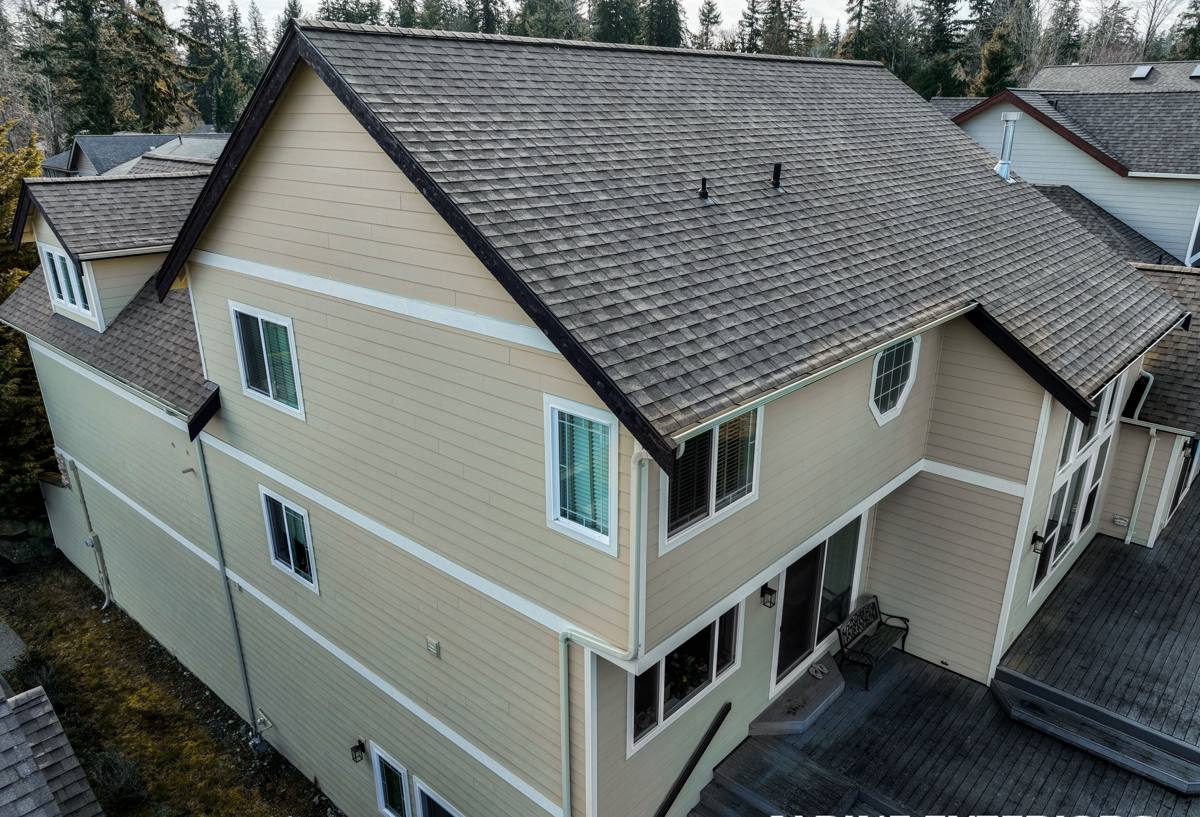
Why Ybor City Homes Need a Different Approach Than Generic Deck Advice
A lot of national decking guidance is written for climates that don't deal with Tampa Bay's combination of heat, humidity, and salt-tinged air. Ybor City sits close enough to the bay that airborne salt is a real factor in fastener and hardware corrosion, even if the property isn't waterfront. Add in:
- Long stretches of direct UV exposure that fade and degrade lower-quality boards faster than manufacturers' marketing suggests
- Humidity that keeps ground contact and under-deck areas damp for days after a storm
- Wind-driven rain that gets pushed sideways into fastener points, board gaps, and ledger connections
- Hurricane-season wind loads that put real stress on railings, posts, and structural attachment points
- Older housing stock in Ybor City with ledger boards, foundations, or utility runs that need to be checked before a new deck ties into the house
None of this means composite decking is a bad fit — it's actually one of the better material choices for this environment. It means the installation details matter more here than in a mild, dry climate, and cutting corners on framing, fasteners, or drainage shows up as problems within a year or two instead of a decade.
What a Correct Composite Deck Installation Involves
The Substructure Is Where Decks Actually Fail
Composite boards get most of the attention, but the framing underneath is what determines whether a deck lasts through Tampa's humidity and storm cycles. That means pressure-treated or naturally rot-resistant joists sized correctly for the span, proper joist spacing for the composite board being used (composite typically needs tighter spacing than wood), and hardware rated for ground contact and coastal-influenced air — not standard interior-grade fasteners that corrode within a few seasons.
Ledger Attachment and Waterproofing
Where a deck attaches to the house is the single most common failure point on any deck, composite or wood. In a humid climate like Tampa's, a ledger board that isn't properly flashed traps moisture against the house's rim joist and can lead to rot inside the wall structure long before anything looks wrong on the surface. Correct installation means flashing tape, proper fastener spacing, and a gap or drainage plane that lets water escape instead of pooling against the house.
Hidden Fastening and Board Spacing
Most composite systems today use hidden fastener clips rather than face screws, which gives a cleaner look and avoids the fastener corrosion and water intrusion points that face-screwed boards create over time. Board spacing has to account for Florida's heat — composite expands and contracts with temperature swings more than people expect, and boards installed too tight will buckle during the hottest months.
Railings and Wind Considerations
Railing posts need solid blocking and correct attachment to the frame, not just to the deck boards. During hurricane season, a railing system that isn't properly anchored is one of the first things to fail under wind load, and it's also a safety issue long before a named storm ever shows up.
Composite vs. Wood for a Ybor City Backyard
| Factor | Composite Decking | Pressure-Treated Wood |
|---|---|---|
| UV fading/degradation | Resists fading better with quality boards; capped composite holds color longest | Grays and roughens quickly under constant Florida sun |
| Moisture/humidity response | Doesn't absorb water like wood; low rot risk | Prone to warping, splitting, and rot without regular sealing |
| Maintenance | Occasional cleaning; no sanding, staining, or sealing | Needs sealing/staining every 1-2 years in this climate to hold up |
| Upfront cost | Higher material cost | Lower material cost |
| Long-term cost | Lower over the life of the deck — no recurring refinishing labor | Refinishing and repair costs add up over the years |
| Heat underfoot | Some boards run hotter in direct sun; lighter colors help | Generally cooler underfoot but rougher surface as it ages |
We install both, and wood is still a reasonable choice for homeowners who want the lowest upfront cost and don't mind the maintenance schedule. But for most Ybor City homeowners, the math on composite works out in their favor once you factor in what a Tampa summer does to an unsealed or overdue-for-sealing wood deck.
Where Homeowners Get Steered Wrong on Composite Boards
Not all composite decking is built the same, and the differences matter more in this climate than in most. Our standard is to install boards with a full polymer cap on all sides, not just the top surface — a cap only on the walking surface leaves the board's core exposed to moisture at the cut ends and underside, which defeats a lot of the purpose of going composite in the first place. We also pay attention to warranty structure: a strong material warranty is only useful if the installation itself doesn't void it, which is why framing, spacing, and fastening have to follow the manufacturer's specifications exactly, not just "close enough."
We don't cut corners by using non-rated fasteners to save cost, skipping ledger flashing because it's not visible once the deck is built, or spacing boards without accounting for Florida's heat swings. These aren't dramatic failures at first — they show up as a soft spot near the house, a railing that flexes more than it should, or boards that start to cup a year or two down the line. Framing it plainly: these are corners some installers cut to save time, and it's our job to not be that installer.
Our Process for a Ybor City Composite Deck
- On-site assessment — we look at the existing structure (if replacing a deck), the house's ledger point, drainage, and site conditions specific to your lot
- Honest scope and options — we walk through board tiers, railing options, and layout with real trade-offs, not just an upsell
- Permitting — Hillsborough County and City of Tampa permitting requirements are handled as part of the job, not left to the homeowner
- Framing and structural work — correctly spaced, properly fastened substructure built for composite's requirements and Florida's climate
- Ledger flashing and waterproofing — done before a single deck board goes down
- Board installation — hidden fastening, correct spacing for thermal movement, clean field cuts
- Railings and finishing details — properly blocked and anchored, stair details finished to match
- Final walkthrough — we go over the finished deck with you before calling the job done
Maintenance Once Your Deck Is In
One of the real advantages of composite in a climate like Tampa's is how little upkeep it needs compared to wood. That said, "low maintenance" isn't "no maintenance." A simple seasonal checklist keeps a composite deck performing the way it should:
- Sweep debris and organic buildup out of board gaps, especially after storm season, so moisture and mildew don't sit against the boards
- Rinse with plain water and a soft-bristle brush a few times a year; avoid pressure washers on composite unless the manufacturer specifically allows it at low pressure
- Check railing posts and stair connections annually for any looseness, particularly after a windy season
- Inspect the ledger area at the house connection once a year for any signs of moisture staining
- Trim back landscaping that shades the deck constantly, since persistent damp shade can encourage mildew growth on any decking material
Why Hire a Crew That Already Works in Ybor City
Decking installation isn't identical everywhere in the country, and it isn't even identical everywhere in the Tampa Bay area. A crew that regularly works Ybor City and the surrounding Tampa neighborhoods already knows the permitting process with Hillsborough County and the City of Tampa, has a feel for how older versus newer homes in the area are typically framed, and has seen firsthand how Tampa's humidity and storm patterns affect decking choices over the following years — not just at installation. That local track record matters more with an outdoor structure than it does with almost anything else you'd hire a contractor for, because the climate keeps testing the work long after the crew has left the job site.
If you're planning a new composite deck or replacing an aging wood deck in Ybor City, we're happy to walk the property, talk through honest material and layout options, and give you a straightforward estimate — no pressure, no upsell script. Use the form below to get started.