 Tampa Window
 Why Window Replacement in Brandon Isn't a One-Size-Fits-All Job
Brandon sits just east of Tampa in Hillsborough County, close enough to the Gulf to catch salt-tinged air on a breeze but far enough inland that many homeowners assume their windows get an easier ride than houses right on the water. In practice, the climate load is close to the same. Hurricane-force winds during storm season, sustained wind-driven rain from summer thunderstorms and tropical systems, and near-constant UV exposure all work on a window year-round, whether that window sits three miles from the bay or thirty. Replacing windows here isn't just a cosmetic upgrade — it's replacing a system that has to keep water out under sideways rain, hold up against wind pressure, and survive sun exposure that ages materials faster than it would almost anywhere outside the Gulf Coast.
That's the frame we bring to every Brandon job: pick the right window for what this climate actually does to a house, and install it in a way that performs during the next big storm, not just on the day it goes in.
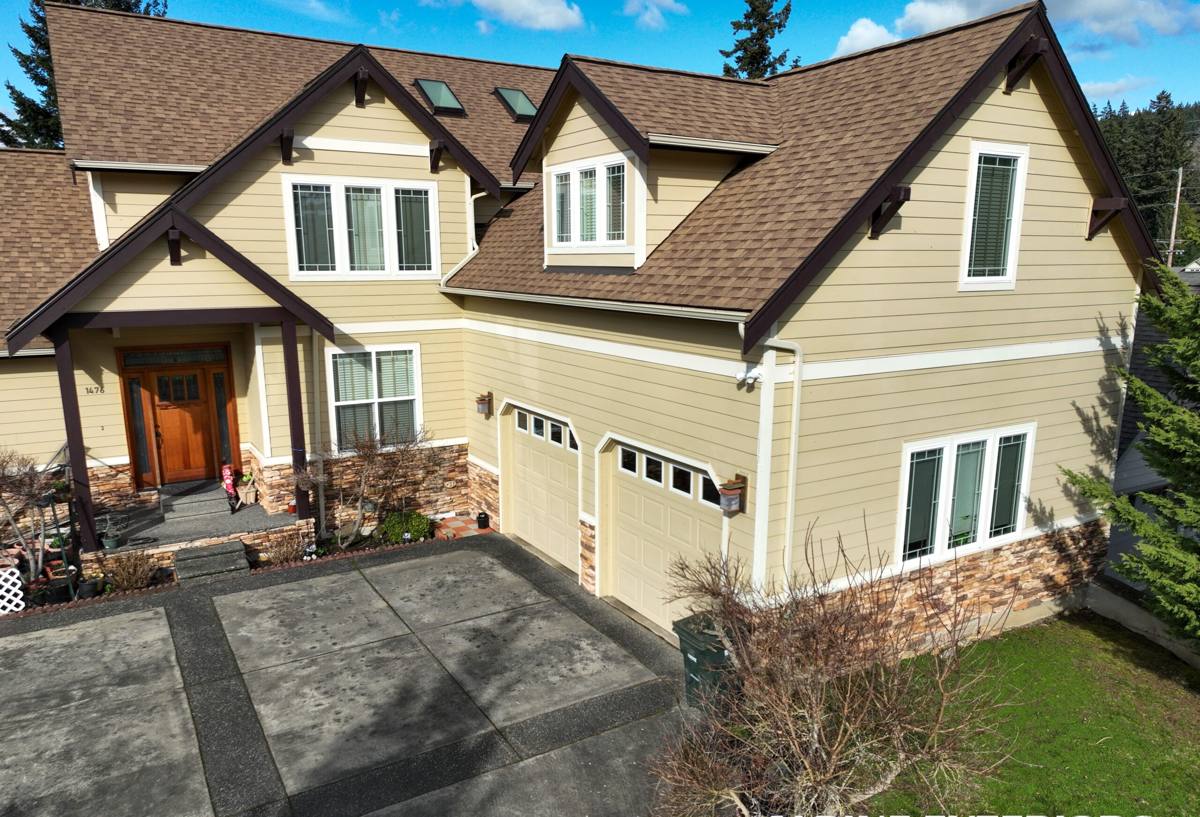
What Brandon's Climate Actually Does to a Window
Wind and Storm Pressure
Even in a quiet hurricane season, Brandon gets tropical storms, squall lines, and strong straight-line wind events that put real pressure on window frames and the seal between the frame and the wall. A window that isn't rated for local wind loads, or one that was anchored with the wrong fasteners or spacing, can flex or leak long before conditions reach anything close to a hurricane.
Wind-Driven Rain
Rain that falls straight down rarely causes problems. Rain that's being pushed sideways by 40-60 mph gusts finds every gap in flashing, every shortcut in sealant, and every spot where a sill pan wasn't lapped correctly. Wind-driven rain is the single biggest reason a "new" window can still leak — the glass and frame were fine, but the installation detail behind the trim wasn't.
UV and Heat Cycling
Florida sun is genuinely harder on building materials than sun in most of the country. Constant UV breaks down lower-grade vinyl, dries out old glazing seals, and speeds up the failure of the seal between panes of insulated glass. Add daily heat cycling — hot afternoons, cooler evenings, frequent rain — and lower-quality frame materials and sealants show wear years before they would in a milder climate.
Salt Air
Brandon is inland compared to coastal Tampa neighborhoods, but salt-laden air still travels well beyond the immediate waterfront, especially during onshore wind events. Over time it accelerates corrosion on hardware, fasteners, and lower-grade metal components that aren't rated for coastal exposure.
What Brandon's Housing Stock Means for a Replacement
Brandon has grown in phases over several decades, so the housing stock is genuinely mixed — older ranch homes from the 1970s and '80s with original aluminum single-pane windows, subdivisions from the 1990s and 2000s with a first generation of vinyl windows, and newer construction with impact glass already installed. That mix matters because the right approach depends on what's already in the opening, not just on which window a homeowner likes the look of.
Original Aluminum-Framed Windows
Aluminum was standard in Florida for decades because it resists rot and tolerates humidity well, but it conducts heat directly through the frame, which shows up as hot spots near windows and higher cooling bills. When we remove these, we also check the rough opening itself, since older installs weren't always flashed to today's standards.
First-Generation Vinyl or Impact Windows
Homes built or upgraded in the 2000s often already have vinyl or early impact-rated glass. That doesn't automatically mean replacement is due — but seals fail, hardware wears out, and some early impact laminate has started to show interlayer haze or yellowing after 15-20 years of Florida sun. We look at the actual condition of what's there rather than assuming age alone means a window is bad.
What a Correct Window Replacement Actually Involves
The window unit is only half the job. How it's installed into the wall is what decides whether it performs in a wind-driven storm or just looks new while the same water path stays hidden behind the trim.
- Full inspection of the rough opening for moisture damage, wood rot, or prior flashing shortcuts before the new unit goes in.
- Correct sill pan and flashing sequencing so wind-driven rain sheds outward at every layer instead of pooling against the framing.
- Anchoring matched to the window's design pressure rating — proper fastener type, spacing, and embedment, not just enough screws to hold it in place.
- Sealant rated for UV and moisture exposure, applied at the correct thickness and location rather than a bead of caulk around the trim.
- Integration with the existing wall assembly — siding, stucco, or brick veneer — so water management continues unbroken from the window to the exterior finish.
- Clean interior and exterior trim reset so nothing is hidden under new trim that should have been corrected first.
Skip any of these steps and a window can still look perfect on the day it's finished. The difference shows up during the next strong storm — which is exactly why a rushed or low-bid install often costs more over the life of the window than doing it right the first time.
Impact Glass vs. Standard Glass with Shutters
Not every opening on every Brandon home needs impact-rated glass, but it's worth understanding the real trade-offs instead of defaulting to whatever's cheapest or whatever a salesperson pushes hardest.
| Option | How It Performs Locally | Trade-Offs |
|---|---|---|
| Impact-rated laminated glass | Glass stays intact under wind-borne debris; often removes the need for separate storm panels | Higher upfront cost; heavier units need properly rated frames and anchoring |
| Standard glass + approved shutters or panels | Can meet code when a compliant shutter system is actually deployed before a storm | Depends on the homeowner installing shutters every time; no protection if that step is missed |
| Standard glass, no shutter system | Lowest upfront cost | Doesn't meet wind-borne debris protection requirements where they apply; not something we install without a compliant shutter plan |
Frame material matters as much as the glass package. Vinyl and fiberglass both resist Hillsborough County's humidity and salt air without needing repainting. Aluminum handles wind pressure well but conducts heat, which works against energy efficiency in a climate that runs air conditioning most of the year. Bare wood generally isn't a good fit for direct Gulf Coast humidity without a protective clad exterior, since it demands far more upkeep than most homeowners want to take on.
Signs a Brandon Home's Windows Are Due for Replacement
- Visible fog or haze trapped between panes — the seal has failed and the insulating gas fill is gone.
- Frames that feel noticeably hot on the interior side during summer afternoons, a sign of poor thermal performance.
- Sashes that stick, drag, or won't latch fully, often from warped frames or swollen material.
- Soft spots, staining, or discoloration on interior trim or drywall near the window — a sign water has already been getting past the seal.
- Noticeably higher cooling bills without another explanation, especially in homes with original aluminum frames.
- Visible daylight or a draft felt around the frame when the window is fully closed.
Our Process for a Brandon Window Replacement
- On-site assessment — we look at every opening being replaced, check for existing moisture or structural issues, and take accurate measurements.
- Honest product recommendation — impact-rated vs. standard glass, frame material, and any permitting or wind-zone requirements that apply to the property.
- Written estimate — clear pricing with no vague allowances, so there's no surprise change order once work starts.
- Permitting — pulled and handled correctly for Hillsborough County and the applicable wind zone, not skipped to save time.
- Removal and opening prep — old units removed, opening inspected and repaired if needed before anything new goes in.
- Installation — proper flashing sequence, correct anchoring for the window's design pressure rating, and sealant applied to spec.
- Final walkthrough — every window operated and checked, trim finished cleanly, and any questions about care or warranty answered on site.
Why Local Experience in Brandon Matters
A crew that already works this specific area understands things a general contractor coming in from outside Hillsborough County may not — which subdivisions still have original aluminum windows from the 1970s and '80s, which parts of Brandon see the heaviest wind-driven rain during summer storm season, and what the local permitting process actually requires versus what a homeowner might assume. That familiarity shows up in fewer surprises during the job and a finished install that's built for the way weather actually behaves here, not a generic install pulled from a national playbook.
It also matters for accountability. A contractor who works Brandon regularly has a reputation to protect in the community and isn't disappearing after the invoice clears, which is worth more than a slightly lower bid from a crew that won't be back if something needs attention later.
Questions Worth Asking Before Hiring Anyone for This Job
- Is the installer licensed and insured in Florida, and can they provide proof on request?
- Will they pull the required permit, or suggest skipping it?
- What wind pressure rating and impact rating does the proposed window actually carry, in writing?
- Who handles the flashing and sealant work — the lead installer, or unsupervised labor?
- What does the warranty cover: the product, the labor, or both — and for how long?
If you're weighing window replacement for a Brandon home, we're happy to take a look and give you a straight answer on what your windows actually need — no pressure, no inflated scare tactics. Fill out the form below for a free estimate.