 Tampa Window
 Window Installation Built for Temple Terrace's Climate
Temple Terrace sits close enough to Tampa Bay that its homes take on the same weather stress as the rest of Hillsborough County: long stretches of intense UV, humidity that never really lets up, wind-driven rain during summer storms, and the occasional hurricane threat that puts every window in the house to the test at once. None of that is unique to one street or subdivision, but it does mean that window installation here isn't a cosmetic upgrade — it's a structural and weatherproofing job that has to be done to a standard, not just to a look.
A window that's cut, shimmed, flashed, and sealed correctly will shed wind-driven rain, hold up under storm-level pressure changes, and keep conditioned air where it belongs. A window that's slightly out of level, under-fastened, or sealed with the wrong material might look fine for a year or two and then start showing water stains on the drywall below the sill, foggy glass from failed seals, or a frame that won't latch square anymore. In this climate, the gap between "installed" and "installed correctly" shows up fast.
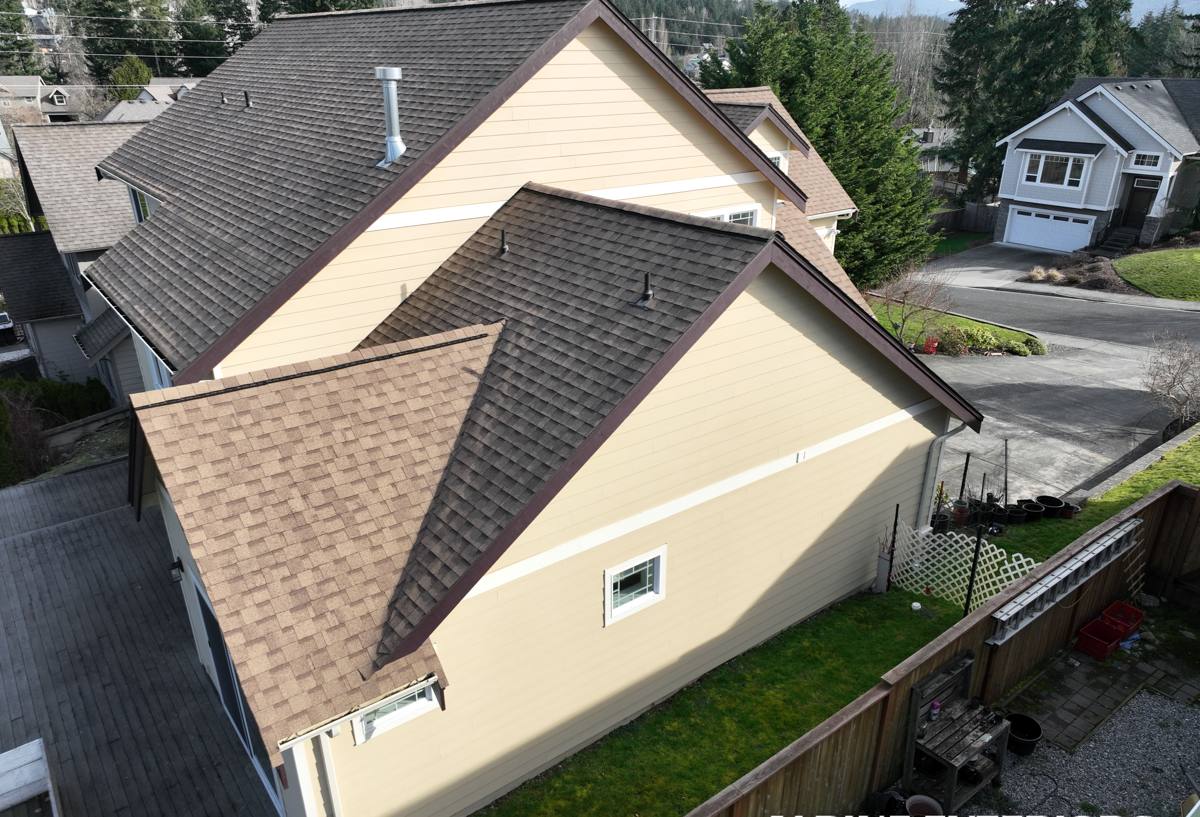
Temple Terrace's Housing Stock Shapes the Job
Temple Terrace has a mix of housing ages that isn't identical to every neighboring Tampa community. There are older homes with original masonry or wood-frame construction, a wave of mid-century and later ranch and two-story builds, and newer infill construction. Each of these brings a different starting point for a window installation crew:
- Older masonry openings often have rough openings that are slightly out of square after decades of settling, and may have old mortar or stucco that needs careful removal without damaging the surrounding wall.
- Wood-frame construction from earlier decades may have hidden moisture damage or rot around the window buck that isn't visible until the old unit comes out.
- Newer builds usually have more standardized rough openings, but that doesn't mean every window was installed with proper flashing the first time — builder-grade installs cut corners more often than homeowners expect.
A crew that hasn't worked many homes in this specific area will treat every opening the same way. A crew that has will know to check for these patterns before pulling the first old unit, which shortens the job and reduces surprises.
What a Correct Window Installation Actually Involves
Setting a new window into an opening is the easy part. The parts that determine whether it performs for the next 15-20 years are the ones that aren't visible once the trim goes back on.
Opening Prep
Before a new window goes in, the rough opening has to be checked for square, level, and plumb, and for any hidden rot, water damage, or pest damage in the framing. Skipping this step is the single most common reason a "new window" install develops problems within a couple of years — the new unit is only as good as the structure it's set into.
Flashing and Water Management
Every window needs a drainage path so that any water that gets past the exterior seal has somewhere to go besides your wall cavity. This means flashing tape or pan flashing at the sill, integrated correctly with the house wrap or building paper, in the correct shingle-lap order (bottom pieces overlapped by the ones above, never the reverse). This is invisible after the fact — but it's the difference between a window that handles a sideways summer downpour and one that slowly rots the framing around it.
Fastening and Structural Anchoring
Windows have to be fastened per the manufacturer's installation instructions and the applicable wind load requirements — not just "screwed in until it feels solid." Shimming has to support the frame evenly so it doesn't bow or bind, and fasteners have to hit structural framing, not just trim.
Sealing, Not Just Caulking
Interior and exterior sealing use different materials for different jobs: low-expansion foam or backer rod and sealant around the frame gap for air and insulation, and exterior-grade sealant compatible with the window's frame material and your siding or stucco finish. Using the wrong sealant, or relying on caulk alone to do a flashing job's work, is a shortcut that tends to fail quietly.
Florida Building Code and Wind Considerations
Hillsborough County falls within Florida's wind-borne debris region under the Florida Building Code, which means window products used here generally need to meet impact or wind-pressure ratings appropriate to the area — either impact-rated glass or an approved protection system. Code requirements can vary by product line, permit jurisdiction, and specifics of your home, so the exact requirement for a given project should be confirmed against current code and your local permitting office rather than assumed from a neighbor's house or an older renovation.
What matters for a homeowner is this: a legitimate installer pulls permits when required, uses products with valid product approval numbers for this region, and can explain why a given window meets the wind and impact requirements for your address — not just that "it's a good brand."
Choosing a Frame Material for This Climate
Frame material affects how a window handles Tampa's heat, humidity, and salt-tinged air over the long run. There's no single "best" choice for every home — it depends on budget, exposure, and how the rest of the house is finished.
| Frame Material | Heat/UV Behavior | Moisture & Salt Air | Maintenance |
|---|---|---|---|
| Vinyl | Good insulator; quality UV-stabilized vinyl resists yellowing, lower-grade vinyl can warp over years of intense sun | Won't rust or corrode; performs well near coastal-influenced air | Low — no painting, occasional cleaning |
| Aluminum | Conducts heat more than vinyl or fiberglass; can feel warmer to the touch | Needs a quality finish to resist pitting from salt air over time | Low to moderate — finish should be checked periodically |
| Fiberglass/Composite | Very stable in heat, resists warping | Strong resistance to moisture and salt exposure | Low — generally the most durable, higher upfront cost |
| Wood (clad) | Needs a durable exterior clad layer to survive UV exposure | Vulnerable if the clad layer is compromised; more upkeep near humidity | Higher — periodic inspection of cladding and seals |
For most Temple Terrace homes, vinyl and fiberglass installations make up the bulk of what gets specified, largely because they hold up with the least ongoing attention in this specific mix of sun, humidity, and occasional storm exposure.
Cost Factors Worth Understanding Before You Get a Quote
Window installation pricing varies by opening size, frame material, glass package, and the condition of the existing structure — but a few factors drive most of the swing between a modest quote and a larger one:
| Factor | Why It Matters |
|---|---|
| Impact-rated vs. standard glass | Impact glass costs more upfront but may reduce or eliminate the need for separate storm protection |
| Number and size of openings | Larger or custom-sized units (bay, picture, oversized) cost more than standard sizes |
| Structural repair needed | Rot or damage found once the old window is out adds labor and material not visible at quote time |
| Permit and inspection requirements | Jurisdictions with stricter wind/impact code enforcement may add permit and inspection costs |
| Retrofit vs. full-frame replacement | Full-frame replacement costs more but is often the right call when the existing frame or flashing is compromised |
Be cautious of any quote that skips a look at your actual openings — an honest estimate for window installation should involve someone physically checking your home's specific conditions, not just a number based on a phone description.
How Our Process Works
- On-site assessment. We look at each opening, the surrounding wall condition, and how your home is oriented to sun and prevailing wind before recommending anything.
- Product selection. We walk through frame material, glass package, and wind/impact rating options that fit your budget and the code requirements for your address.
- Permitting. Where required, we handle the permit process so the finished job is documented and inspected correctly.
- Removal and opening prep. Old units come out carefully; any hidden rot or damage gets addressed before a new window goes in, not covered over.
- Flashing, setting, and fastening. Each window is flashed, shimmed, and fastened to spec — not eyeballed.
- Sealing and finish work. Interior and exterior sealing, trim, and cleanup, with attention to matching your home's existing finish.
- Final walkthrough. We check operation, seals, and appearance with you before calling the job done.
What to Ask Before You Hire Anyone for Window Installation
- Do they pull permits when the job requires one, and can they show proof of the product approval numbers for the windows they're installing?
- Do they inspect the rough opening for hidden rot or damage before quoting a final price?
- Can they explain their flashing method in plain language, not just "we seal everything"?
- Do they carry liability insurance and workers' comp coverage you can verify?
- Will they give you a written scope that specifies frame material, glass package, and fastening method — not just a total price?
Why a Local Tampa-Area Crew Matters Here
Window installation isn't a one-size-fits-all trade nationally, and it isn't even one-size-fits-all across the Tampa Bay area. A crew that regularly works in Temple Terrace and the surrounding Hillsborough County communities has already seen how the local housing stock, soil movement, and storm exposure interact with different window products over years, not just at install day. That translates into faster, more accurate opening assessments, fewer change orders once the old window is out, and a better sense of which products actually hold up here versus which ones look fine on a spec sheet in a showroom in a different climate.
It also means accountability. A local crew that plans to keep working in this community has a reason to stand behind the install a year or five years later — not just to close the job and move on to the next city.
After Installation: What Homeowners Should Keep an Eye On
A correctly installed window is close to maintenance-free, but a few habits help it stay that way in this climate:
- Check exterior sealant lines once a year for cracking or separation, especially after a strong storm season.
- Keep weep holes (the small drainage openings along the bottom of the frame) clear of dirt, paint, or debris so water can drain as designed.
- Operate hardware regularly — locks and cranks that sit unused can stiffen in humid conditions.
- Watch for condensation between panes on insulated glass units, which usually signals a failed seal rather than something fixable with cleaning.
If you're planning a window installation project for a Temple Terrace home, we're glad to walk your property, look at your existing openings, and put together a straightforward, no-pressure estimate — just fill out the form below to get started.