 Tampa Window
 Westchase homes sit squarely in Hillsborough County's toughest weather corridor — close enough to the Gulf to catch salt-laden air, exposed to Tampa's intense year-round sun, and directly in the path of hurricane-season wind and rain. Windows here don't fail because they're old in the abstract sense; they fail because heat, UV, humidity, and storm pressure attack them from every direction, every single day. A window installation done for a house in a milder climate simply doesn't hold up the same way in Westchase, which is why this service gets treated as its own job rather than a copy-paste of generic instructions.
What Tampa's Climate Actually Does to Windows
It helps to understand the specific stresses at play before talking about installation. Four things do most of the damage to windows in this part of Hillsborough County:
- UV exposure — Florida's sun runs at high intensity most of the year, breaking down vinyl frames, discoloring finishes, and drying out seals faster than in northern climates.
- Wind-driven rain — Tropical systems and summer storms don't just drop rain straight down; they push it sideways into any gap in flashing or sealant.
- Hurricane-force wind loads — Even homes outside the highest-velocity hurricane zones still see real structural wind pressure on window openings during named storms.
- Salt air corrosion — Westchase isn't beachfront, but Gulf-influenced air still carries salt content that accelerates corrosion on hardware, hinges, and fasteners over years.
Any one of these will shorten a window's life. Together, they're why a window that might last 25-30 years in a drier, calmer climate can start showing real problems in Tampa well before that, especially if it was installed with shortcuts the first time around.
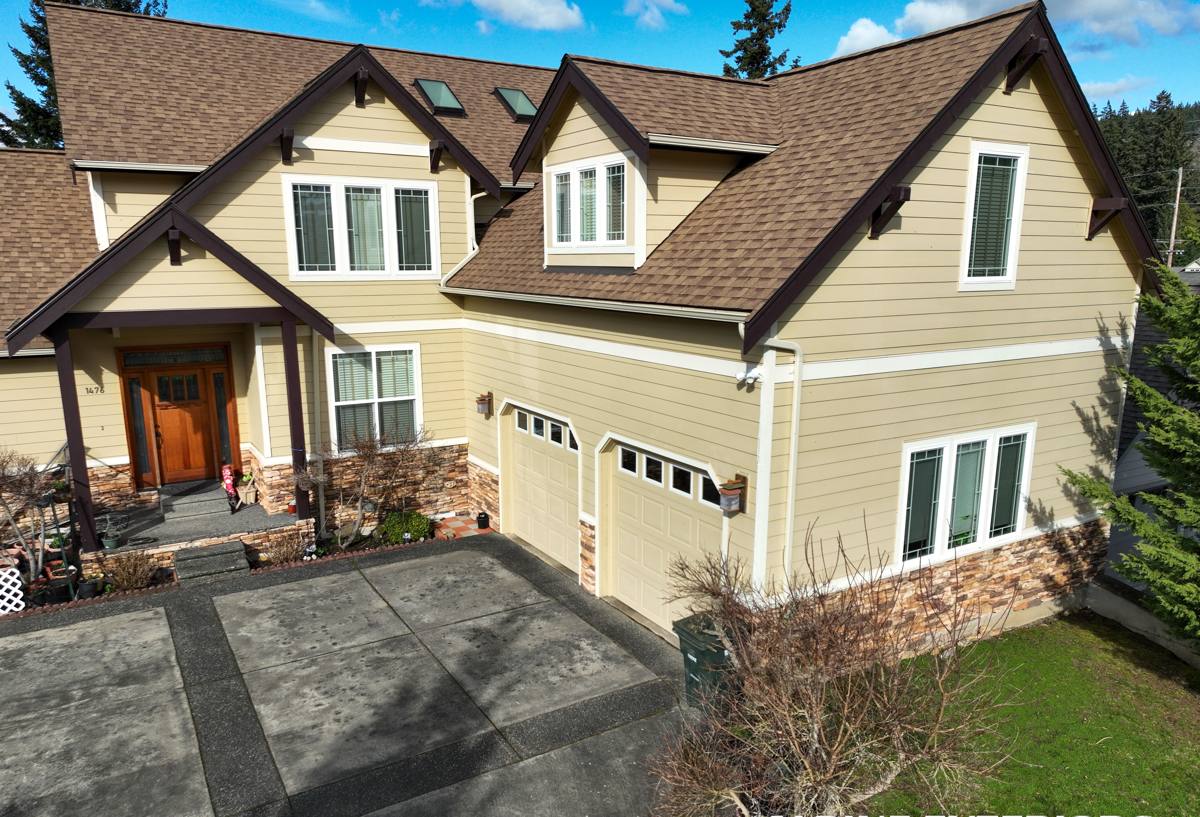
Signs a Westchase Home Actually Needs New Windows
Not every drafty window needs full replacement, but certain symptoms are reliable indicators that repair won't solve the underlying problem:
- Fogging or a permanent haze between panes of double-glazed units (a sign the seal has failed)
- Visible daylight or air movement around the frame even when the window is latched shut
- Soft or discolored drywall/wood trim near the window frame, suggesting water intrusion
- Frames that have warped, chalked heavily, or become brittle from UV exposure
- Difficulty opening, closing, or locking that isn't fixed by cleaning the tracks
- A noticeable jump in cooling costs during the summer months that isn't explained by the AC system
If a Westchase homeowner is seeing two or more of these at once, it's usually more cost-effective to plan a proper installation than to keep patching individual symptoms.
What a Correct Window Installation Involves
Window installation is often sold as a simple swap — old window out, new window in — but the parts that actually determine whether a window survives a Tampa summer and hurricane season happen around the window, not just at the window itself.
The Opening Comes First
Before any new unit goes in, the existing rough opening has to be inspected for rot, moisture damage, and square/level condition. Skipping this step is the single most common reason a "new" window ends up leaking within a year or two — the frame was never the problem, the opening underneath it was.
Flashing and Water Management
Proper flashing directs any water that gets past the exterior finish back out and away from the wall assembly, rather than letting it pool inside the wall cavity. In a climate with regular wind-driven rain, this detail matters more here than almost anywhere else in the country.
Sealant Is Not a Substitute for Flashing
Caulk and sealant have their place, but they are a secondary line of defense, not the primary water management strategy. A window installed with sealant alone, and no proper flashing behind it, is a leak waiting for the right storm.
Fastening for Wind Load
Windows have to be fastened according to the manufacturer's tested installation instructions and the applicable Florida Building Code wind-load requirements for this area — correct fastener type, spacing, and anchoring into structurally sound framing, not just "screwed into whatever is there."
Interior and Exterior Trim
The finish work — interior trim, exterior trim or stucco patching, and final sealant beads — is what most homeowners see and judge the job by, but it should always be the last step after the structural and water-management work is verified, not a way to hide it.
Our Installation Process
The process is straightforward, but we don't skip steps to save time on any of them:
- On-site assessment — we measure openings, check for rot or moisture damage in the framing, and review what's driving the homeowner's decision (drafts, leaks, storm prep, cosmetic upgrade).
- Product selection — we walk through frame material, glass package, and impact-rating options based on the home's exposure and the homeowner's budget.
- Opening prep — removal of the old unit, inspection and repair of the rough opening, and correction of any rot or structural issues found underneath.
- Flashing and installation — proper flashing tape or pan flashing, correct shimming for level and square, and fastening to code-required wind-load specs.
- Sealing and insulation — low-expansion foam or backer rod and sealant around the frame perimeter to control air and moisture without bowing the frame.
- Trim and cleanup — interior and exterior finish work, hardware function check, and job-site cleanup.
- Final walkthrough — every window is opened, closed, and locked in front of the homeowner before we consider the job finished.
Impact-Rated vs. Standard Windows: What Actually Changes
A lot of Westchase homeowners ask whether they need impact-rated windows or whether standard windows plus shutters cover them. There's no single right answer — it depends on the home's exposure, whether shutters are already in place, and how much day-to-day convenience matters. Here's the honest breakdown:
| Factor | Impact-Rated Windows | Standard Windows + Shutters |
|---|---|---|
| Upfront cost | Higher per window | Lower window cost, but adds shutter cost |
| Storm prep effort | None — always ready | Shutters must be installed before each storm |
| Daily appearance | No change to home's look | Shutters visible when deployed, may need storage |
| UV and noise reduction | Typically better, even outside storm season | No everyday benefit |
| Insurance considerations | Can factor into wind mitigation credits | Depends on shutter type and documentation |
| Long-term maintenance | Laminated glass, robust frame — minimal upkeep | Shutter hardware needs periodic maintenance |
We don't push one option over the other by default — we'll give a straight answer based on the specific home, its exposure, and what the homeowner actually wants to manage year to year.
Frame Materials: Trade-Offs, Not a Sales Pitch
Vinyl, fiberglass, and aluminum all show up in Tampa-area installations, and each has real trade-offs in this climate rather than one being simply "better":
- Vinyl — cost-effective and low maintenance, but quality varies widely between manufacturers; UV-stabilized formulations hold up far better under Florida sun than cheaper grades.
- Fiberglass — dimensionally stable under heat swings and holds paint well, at a higher price point than vinyl.
- Aluminum — strong and slim-profile, but conducts heat and cold more readily and needs corrosion-resistant hardware given the salt content in Gulf-area air.
We'll talk through which fits a given home's budget and orientation to sun and prevailing storm winds rather than defaulting to whatever is easiest to install.
Permits and Code Requirements in Hillsborough County
Window replacement in Tampa and unincorporated Hillsborough County generally requires a permit, and inspections confirm the installation meets the Florida Building Code's wind-load and water-intrusion requirements for this region. This isn't paperwork for its own sake — it's the mechanism that catches a bad flashing detail or under-spec fastening pattern before it becomes a leak or a storm failure. A crew that pulls permits and works with local inspectors regularly moves through this process without it becoming a delay for the homeowner.
Why Local Experience in Westchase Matters
Westchase has its own mix of home ages, construction styles, and HOA expectations, and a crew that already works in this specific area brings a few practical advantages:
- Familiarity with the common window sizes and rough-opening quirks found in Westchase's housing stock
- Working knowledge of what Hillsborough County inspectors and HOA architectural committees typically expect
- Faster response for warranty callbacks or minor adjustments after installation, since we're already in the area regularly
- A realistic sense of how each home's specific orientation and tree cover affects sun exposure and storm exposure
None of that replaces sound installation technique, but it does mean fewer surprises during the permit and inspection process, and a faster response if anything needs a follow-up visit.
Maintaining New Windows in a Tampa Climate
A correctly installed window still needs some basic upkeep to get its full lifespan in this environment:
- Rinse frames and hardware periodically to clear salt residue, especially on homes closer to the coast
- Inspect exterior sealant beads annually, particularly after hurricane season, for cracking or separation
- Keep weep holes on the exterior frame clear of debris so water can drain as designed
- Operate hardware regularly rather than leaving windows shut for months, which helps catch early hardware wear
If drafts, leaks, fogged glass, or storm-readiness are on your mind for a Westchase home, we're happy to take a look and give a straightforward, no-pressure estimate — just fill out the form below and we'll go from there.