 Tampa Window
 Storm Damage Roof Repair in Wesley Chapel
Wesley Chapel has grown fast over the last two decades, and most of that growth happened during a stretch of active Florida hurricane seasons. That means a large share of the roofs in this area's master-planned communities are still under their original manufacturer warranty, but they've also already taken a beating from tropical systems, spring squall lines, and the kind of pop-up summer storms that roll through the Tampa Bay region almost daily from June through September. Storm damage here doesn't always look dramatic. Sometimes it's a handful of lifted shingle tabs or a cracked tile nobody notices from the ground. Left alone, that small damage is exactly what turns into a stained ceiling six months later.
This page covers storm damage roof repair specifically for homes in and around Wesley Chapel — what the local climate actually does to a roof over time, what a repair should include to hold up through the next storm, and why it matters to hire a crew that already works in this specific area rather than a storm-chasing outfit that shows up after every named storm and leaves town when the work dries up.
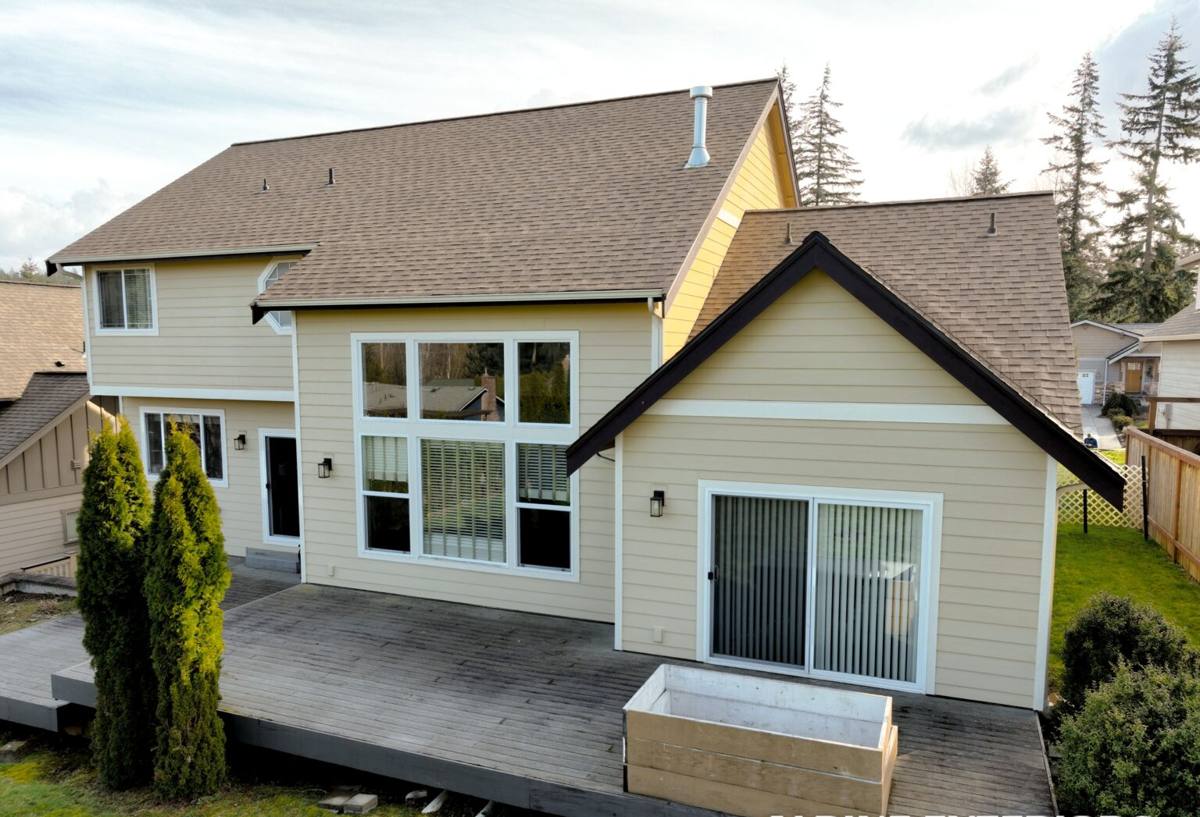
What Wesley Chapel's Climate Does to a Roof
Every roof in the Tampa Bay region deals with the same basic combination of stressors, but they hit Wesley Chapel roofs in a particular pattern because of the mix of housing stock — a lot of concrete tile and architectural shingle roofs built or replaced within the last 15-20 years.
Wind
Tropical systems and the outer bands of hurricanes that track through the Gulf and up the peninsula bring sustained wind and gusts strong enough to lift shingle tabs, crack or slide roof tiles, and peel back ridge caps. Wind damage is often uneven — one slope of a roof can look fine while the slope facing the prevailing storm direction has multiple compromised courses.
UV Exposure
Central Florida sun is intense and consistent nearly year-round. UV breaks down asphalt shingle granules and dries out the flexible sealants and boots around vents, pipes, and flashing faster than in most parts of the country. A roof that looks intact from the street can already have brittle, cracked flashing sealant underneath.
Wind-Driven Rain
Straight-down rain rarely causes a leak on a properly installed roof. Wind-driven rain is different — it gets pushed sideways and upward under shingle tabs, tile laps, and around penetrations that were never designed to shed water from that angle. This is the mechanism behind most of the "mystery leaks" that show up during or right after a storm.
Humidity and Coastal Air
Wesley Chapel sits inland from Tampa Bay, so salt air isn't as aggressive here as it is on waterfront properties closer to the coast — but the region's humidity is still high year-round, and it accelerates corrosion on exposed metal flashing, nail heads, and vent stacks over time, especially on older roofs where protective coatings have worn thin.
Signs Your Roof Has Storm Damage
Most homeowners call us after noticing a leak, but by the time water is visible inside the house, the roof has usually been compromised for a while. Here's what we tell Wesley Chapel homeowners to check after any significant wind or hail event:
- Shingle tabs that look lifted, curled, or are missing granules in patches (visible as darker or shinier spots)
- Tiles that are cracked, slipped out of alignment, or missing entirely
- Soft spots or noticeable sagging anywhere on the roof deck
- Granules collecting in gutters or at downspout outlets after a storm
- Cracked or pulled-away sealant around plumbing vents, roof-mounted equipment, or chimney flashing
- Water stains on interior ceilings, especially near exterior walls or around skylights
- Debris punctures — branches or wind-blown material can crack tile or tear shingle mat
- Dented or bruised shingles and soft metal flashing after a hail event
Any one of these on its own might be minor. Several together, especially after a named storm, usually mean it's worth a professional look before the next rain event finds the weak point for you.
What a Correct Storm Damage Repair Involves
A proper repair isn't just replacing what's visibly broken — it's confirming the roof deck and underlayment underneath are still sound, and that the repair ties into the existing roof system correctly so it doesn't become the next leak point. The right approach differs depending on roof type, which matters a lot in Wesley Chapel since both tile and shingle are common here.
| Roof Type | Common Storm Damage | Repair Considerations |
|---|---|---|
| Architectural Shingle | Lifted or torn tabs, granule loss, exposed nail heads | Matching existing shingle color/line where possible; checking underlayment condition before re-covering |
| Concrete or Clay Tile | Cracked, slipped, or displaced tiles; broken hip and ridge caps | Sourcing matching tile profile and color; confirming battens and underlayment beneath the tile field weren't compromised |
| Flashing & Penetrations | Cracked sealant, lifted metal, separated boots | Full resealing with proper materials, not just caulk over the old failure point |
| Roof Deck | Soft or delaminated plywood from prolonged moisture intrusion | Deck sections must be replaced, not covered over — this is where corners get cut |
Why Matching Materials Matters
On tile roofs especially, using a mismatched profile or color for a patch repair is more than a cosmetic issue — it can affect how water sheds off the repaired section. We try to match existing material as closely as possible, and we tell homeowners upfront if an exact match isn't available so there are no surprises.
Our Repair Process
- Inspection. We walk the roof (not just look at it from the ground) and document damage with photos, noting both the obvious and the less visible issues like sealant condition and deck softness.
- Written scope and estimate. You get a clear breakdown of what needs repair, what materials will be used, and a straightforward cost range before any work starts.
- Insurance documentation, if applicable. If the damage is storm-related and you're filing a claim, we provide the documentation your adjuster will want to see.
- Repair. Damaged shingles, tiles, flashing, or deck sections are replaced and properly integrated with the surrounding roof system.
- Final walk-through. We confirm the repair with you, including photos of completed work, before we consider the job done.
Insurance Claims — What Homeowners Should Know
Storm damage repair often overlaps with homeowners insurance, and it's worth understanding a few things going in. Insurers generally distinguish between sudden storm damage and gradual wear-and-tear from age or deferred maintenance — the latter usually isn't covered. That's part of why a thorough, honest inspection matters: we tell you what we actually find, not what maximizes a claim, because inflated or inaccurate damage reports can jeopardize the claim itself and your relationship with your insurer.
We're happy to meet an adjuster on-site and provide our inspection documentation, but we don't work for the insurance company — our job is to give you an accurate picture of the roof's condition and a repair that actually solves the problem, regardless of how the claim resolves.
Why a Local Wesley Chapel Crew Matters
After any significant storm across the Tampa Bay area, out-of-town roofing crews show up looking for quick work, then disappear once the storm response season ends — leaving homeowners with nobody to call if a repair fails or a warranty question comes up. A few reasons working with a crew already established in this area matters:
- Familiarity with the HOA architectural guidelines common in Wesley Chapel's planned communities, which often govern acceptable tile color, shingle style, and repair appearance
- An existing understanding of local permitting requirements, since roof repair work above a certain scope typically requires a permit through the county building department
- Faster response after storm events, because we're not driving in from another region and competing with hundreds of other homeowners for a crew's attention
- Accountability after the job — if something needs a follow-up visit, we're still local and still reachable
Cost Factors for Storm Damage Roof Repair
Every roof and every storm event is different, so we don't publish flat prices — but these are the main variables that move the cost of a repair up or down:
| Factor | Why It Matters |
|---|---|
| Extent of damage | A handful of shingles or tiles is a much smaller job than a widespread multi-slope repair |
| Roof deck condition | Deck replacement adds material and labor beyond surface-level repair |
| Material match availability | Discontinued tile profiles or shingle lines can add sourcing time and cost |
| Roof pitch and access | Steeper roofs and multi-story homes require more safety equipment and time |
| Number of penetrations | Vents, skylights, and equipment mounts each add flashing and sealing work |
A small, straightforward repair can often be handled in a single visit; more extensive storm damage may take longer, particularly if deck replacement or a harder-to-match tile is involved.
If you've noticed possible storm damage on your roof — or just want a professional to check after the last round of Tampa Bay weather — we're glad to come take a look. Fill out the form below for a free, no-pressure estimate and honest assessment of what your roof actually needs.