 Tampa Window
 Wesley Chapel Siding Takes a Different Kind of Beating
Homes in Wesley Chapel deal with a specific combination of stressors that older siding products simply weren't built to handle indefinitely. Intense, near-constant UV exposure bakes painted surfaces and accelerates fading and chalking. Summer storms bring wind-driven rain that finds its way behind poorly flashed siding and into wall cavities. And when a tropical system or hurricane-force wind event moves through the Tampa Bay region, siding that's already weakened by years of sun and moisture is the first thing to fail.
Add in the humidity that never really goes away and you have an environment where siding problems don't stay small. A hairline crack that would be cosmetic in a drier climate becomes an entry point for moisture, which leads to swelling, rot, and eventually interior damage. Homeowners in Wesley Chapel who put off siding repairs often find that a small issue caught late has already spread behind the wall.
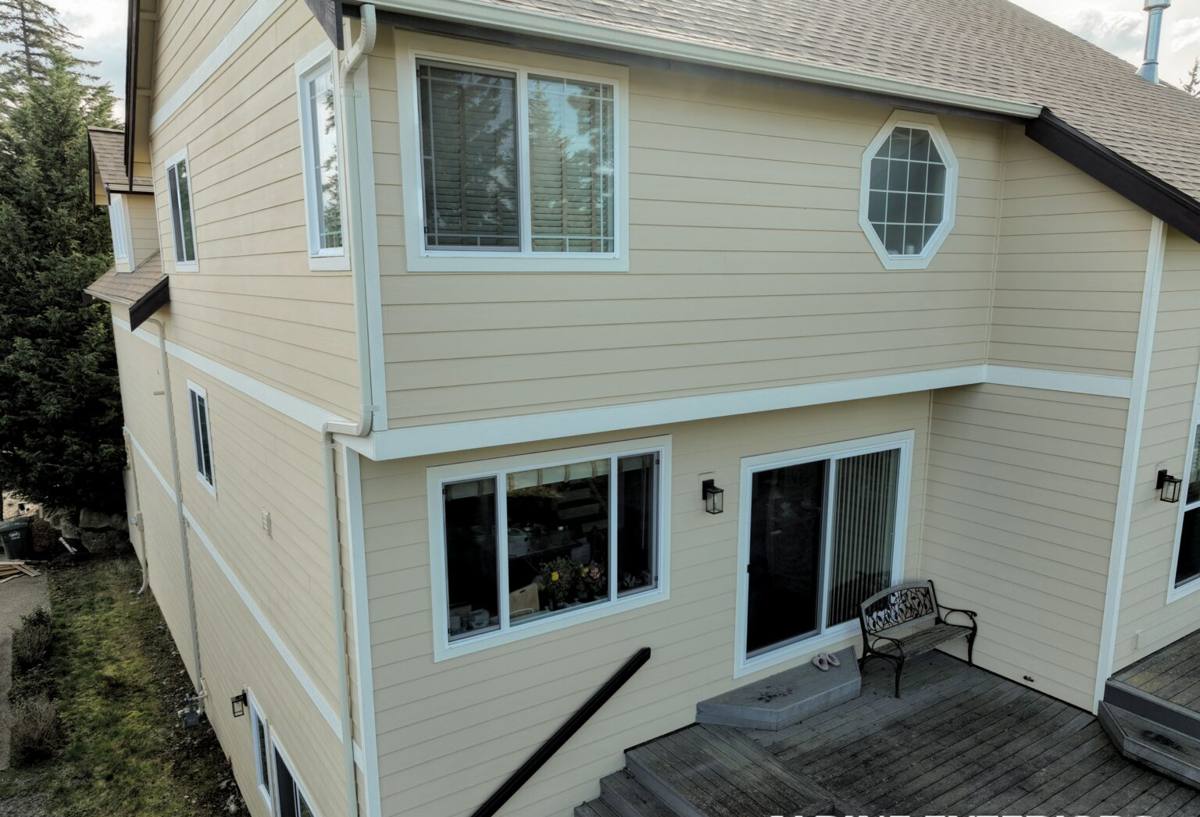
Signs Your Wesley Chapel Home Needs Siding Replacement
Not every siding problem means a full tear-off, but several signs point clearly toward replacement rather than patch repair. If you're seeing more than one or two of these, it's worth having a professional look at the whole exterior rather than treating each spot individually.
- Boards that are visibly warped, bowed, or separating from the wall
- Soft or spongy spots when you press on the siding, especially near the bottom courses
- Paint that's peeling, bubbling, or chalking heavily even a year or two after a repaint
- Dark streaking or staining that suggests water is tracking behind the siding, not just on top of it
- Visible gaps or separation at trim boards, corners, and window and door casings
- Pest activity — termite damage or carpenter ant trails are common in older wood-based siding
- A noticeable jump in cooling bills, which can point to compromised siding and weakened moisture/insulation performance behind it
Why Waiting Rarely Saves Money
Siding failure in this climate tends to move fast once it starts. A section of rotted sheathing behind failed siding can turn a straightforward siding job into a project that also involves structural repair. Catching problems while they're still limited to the siding itself is almost always the cheaper path.
Why We Only Install James Hardie Fiber Cement
We install James Hardie fiber cement siding exclusively — we don't offer vinyl, LP SmartSide, or other engineered wood or composite products, even when they're less expensive upfront. That's a deliberate standard, not a limitation of what we're capable of installing.
Fiber cement is non-combustible, doesn't expand and contract with heat the way vinyl does, and holds up to sustained UV exposure without the fading and warping that shortens the life of other products in a climate like ours. James Hardie's factory-applied ColorPlus finish is baked on and warrantied against fading, which matters in a region where the sun does most of the damage. Hardie also engineers specific product lines (their HZ5 formulation) for high-humidity, high-moisture regions, which is exactly the environment Wesley Chapel sits in. We'd rather stand behind one product system we trust completely than offer a menu of options where some are clearly the wrong fit for this climate.
What a Correct Siding Replacement Job Actually Involves
Siding replacement done right is mostly about what happens before the new boards ever go up. The visible finish is the easy part — the work that determines whether the job lasts 5 years or 30 happens underneath it.
Tear-Off and Inspection
Old siding comes off in full, not in patches, so the sheathing underneath can actually be inspected. This is where hidden rot, insect damage, or water intrusion gets found and addressed — problems that a re-side over existing siding would simply seal in and hide.
Moisture Barrier and Flashing
A correctly installed weather-resistant barrier and properly integrated flashing around every window, door, and penetration is what actually keeps wind-driven rain out of the wall assembly. This step is invisible once the siding is up, which is exactly why it's the step that gets shortcut on lower-quality jobs.
Fastening to Manufacturer Spec
James Hardie siding has specific fastening patterns, clearances, and gapping requirements that are engineered for expansion, moisture drainage, and wind resistance. Installing it like standard lap siding — wrong nail spacing, boards butted too tight, fasteners in the wrong location — voids the warranty and undermines the product's actual performance in high-wind conditions.
Trim, Caulking, and Finish Details
Corners, trim boards, and joints are where most future leaks start if they're not detailed correctly. Proper caulking at the right joints (and no caulking where it will trap moisture instead of shedding it) is a detail that separates a job that looks finished from one that's actually built to last.
Our Process, Start to Finish
On-Site Assessment
We walk the entire exterior, not just the areas you've flagged, since siding problems on one wall often point to a broader issue. We check trim, flashing points, and any areas prone to standing water or direct wind exposure.
Scope and Written Estimate
You get a clear, itemized estimate covering tear-off, any sheathing repair contingencies, materials, and the specific Hardie product line and profile recommended for your home. No vague allowances — you know what you're paying for before work starts.
Tear-Off, Inspection, and Repair
Old siding comes off, sheathing gets inspected, and anything compromised gets repaired or replaced before a single new board goes on. We won't install new siding over a wall assembly we haven't verified is sound.
Installation to Manufacturer Spec
Barrier, flashing, and Hardie siding go on following James Hardie's installation requirements, which is also what keeps the manufacturer's warranty intact.
Final Walkthrough
We go over the finished job with you directly, checking every elevation and detail before we consider the project complete.
What Affects the Cost of a Siding Replacement
Every home is different, but the price of a siding replacement in Wesley Chapel generally moves based on a handful of clear factors.
| Factor | Why It Affects Cost |
|---|---|
| Home size and number of stories | More square footage and multi-story access both increase material and labor |
| Condition of existing sheathing | Rot or water damage found during tear-off adds repair scope beyond the siding itself |
| Existing siding type | Removing stucco, older wood siding, or multiple layers takes more labor than removing single-layer vinyl |
| Hardie product line chosen | HardiePlank lap siding, HardieShingle, and panel systems differ in material and installation cost |
| Trim complexity | Homes with more corners, gables, and architectural detail require more precise (and time-intensive) trim work |
| Color and finish | Factory-applied ColorPlus finishes cost more upfront than field-painted siding but avoid future repainting |
Why a Crew That Already Works in Wesley Chapel Matters
Local experience isn't just a marketing line here — it changes the actual job. A crew that regularly works in Wesley Chapel and the surrounding Tampa area already understands the wind-load and building code requirements that apply to exterior work in this region, and pulls the right permits without guesswork or delay.
Local crews also know which details actually fail first in this climate — usually flashing and trim joints exposed to sustained wind-driven rain — and build accordingly, rather than applying a generic installation approach that wasn't designed for Florida's weather. If a warranty question or a storm-related issue comes up down the road, you're dealing with a contractor who's still working in your area, not one who did a single job and moved on.
What to Ask Before You Hire
- Are you licensed and insured to do exterior work in this area?
- What siding product lines do you install, and why?
- Will you inspect and repair sheathing as part of the job, or only replace the surface siding?
- Do you follow manufacturer fastening and flashing specs, and can you explain what that means?
- Is the manufacturer's warranty preserved by your installation method?
Living With Your New Siding in This Climate
James Hardie siding is low-maintenance compared to wood or vinyl, but "low-maintenance" doesn't mean "no maintenance" in a climate this demanding. A yearly rinse to clear off pollen, salt-tinged air residue, and general grime keeps the ColorPlus finish looking like new. Checking caulking at trim joints once a year — especially after a heavy storm season — catches small gaps before they become moisture problems. If you ever notice a section that seems to be holding water or staining differently than the rest of the house, that's worth a look sooner rather than later, even with a durable product.
If your Wesley Chapel home's siding is showing its age or didn't hold up the way it should have, we're happy to take a look and give you a straightforward, no-pressure estimate — just fill out the form below.