 Tampa Window
 Siding Repair in Wesley Chapel: What Tampa Bay's Climate Does to a Home's Exterior
Wesley Chapel sits in southern Pasco County, just north of Tampa and the New Tampa area, and it's one of the fastest-growing residential corridors in the region. New subdivisions, established neighborhoods from the 2000s and 2010s, and a steady stream of new construction all sit side by side here, which means the siding problems we see vary a lot by the age of the home — but the climate stressing all of it is the same. Hurricane-force winds during the summer and fall storm season, intense sun exposure nearly year-round, and wind-driven rain that gets pushed sideways into seams and trim all take a steady toll on exterior siding, regardless of how new or old the house is.
Siding repair is a different job from siding installation, and it deserves its own kind of judgment. A repair has to match the existing material, blend into existing paint or factory finish, and actually solve the underlying cause of the damage rather than just patching what's visible. This page covers what siding repair specifically looks like for Wesley Chapel homes: what tends to fail here, how we decide between repairing and replacing, what a correct repair job involves, and why it matters to hire a crew that already works this part of Pasco County regularly.
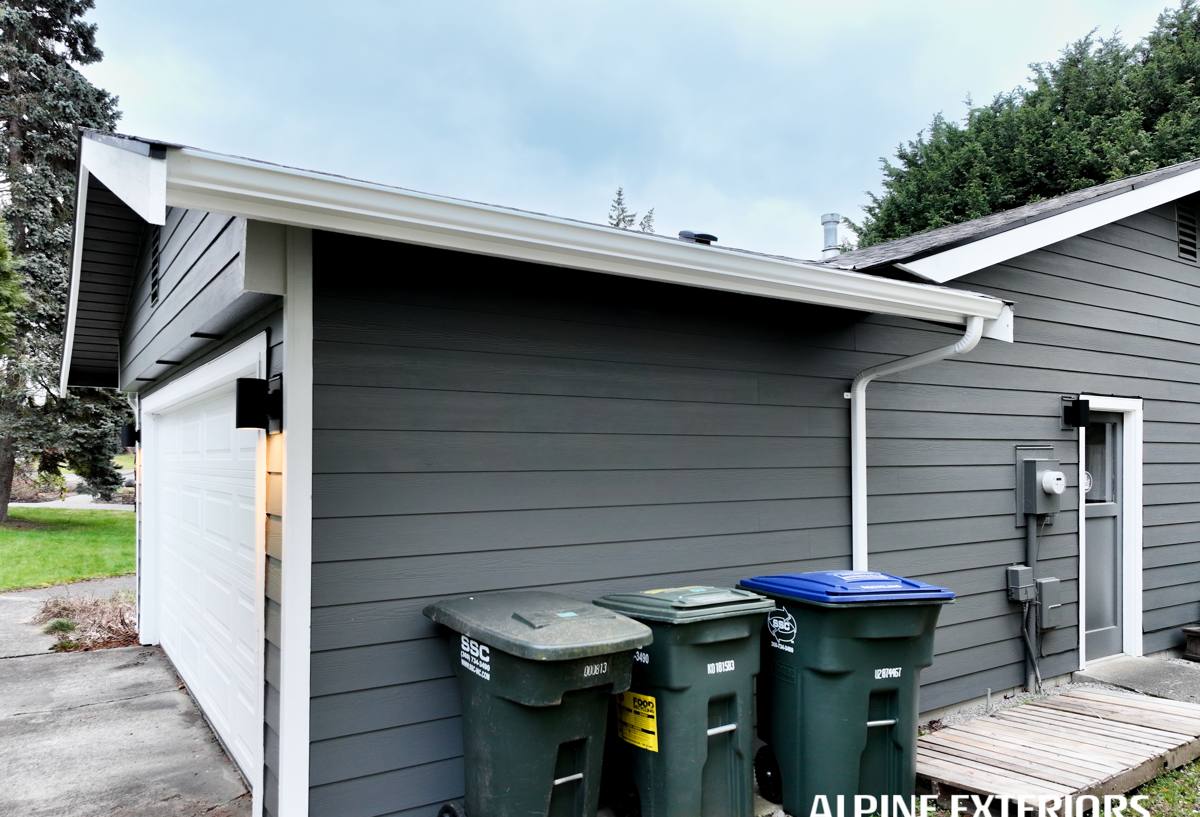
Why Wesley Chapel's Growth and Climate Combine to Stress Siding
A Mix of New Construction and Established Homes
Because so much of Wesley Chapel has been built out over the last fifteen to twenty years, a lot of the siding repair calls we get involve homes that are still relatively young by national standards but have already spent a decade or more under Central Florida sun and storms. Builder-grade siding materials and trim details that weren't specified with this climate fully in mind often start showing problems — caulk failure, panel warping, moisture staining — well before a homeowner expects an exterior repair to be necessary.
Sustained Heat and UV Exposure
Tampa Bay sees some of the most consistent sun exposure of anywhere in the country, and siding takes that punishment directly. UV breaks down paint films, dries out caulk and sealants, and over time can cause certain siding materials to fade, chalk, or become brittle at the surface. South- and west-facing elevations, which get the most direct afternoon sun in Wesley Chapel's layout of open, newer-build lots, tend to show wear first.
Wind-Driven Rain and Hurricane Season
Summer storms here don't just drop rain straight down — wind pushes it sideways, driving water into any gap, seam, or piece of trim that isn't sealed correctly. During an active hurricane season, sustained high winds add mechanical stress on top of that moisture load, working loose fasteners, stressing panel joints, and occasionally causing direct impact damage from wind-borne debris. A siding system that was installed correctly handles this without issue year after year. One with even small installation gaps tends to fail at exactly those points first.
Common Siding Damage We See in Wesley Chapel Homes
Every repair call is a little different, but the underlying patterns repeat across the neighborhoods we work in:
- Impact damage from storm debris, lawn equipment, or accidental contact — cracked, dented, or punctured panels, usually isolated to one or two sections.
- Moisture intrusion at seams, corners, and trim joints where caulk has failed or flashing was installed incorrectly, often showing up as staining, soft spots, or a musty smell along an interior wall before it's visible outside.
- Warping or buckling, especially on materials not engineered for sustained heat and humidity, where panels lose their flat profile and start to separate from the wall.
- Sun-faded or chalking finish on south- and west-facing walls, where the factory or field-applied coating has broken down faster than the rest of the house.
- Fastener and seam failure after high-wind events, where panels stay mostly intact but have worked loose enough to rattle, gap, or let water behind them.
The important distinction is that visible damage is often a symptom, not the whole problem. A cracked panel might be cosmetic, or it might be sitting over a section of sheathing that's already taken on moisture. Part of doing this job correctly is checking what's underneath before deciding how small or large the fix actually needs to be.
Repair vs. Replace: How We Make That Call
Homeowners understandably want the smaller, less expensive fix, and often that's the right call. But repairing damage that's really pointing to a bigger underlying issue just delays a more expensive problem. We look at scope, cause, and what's happening behind the siding before recommending either path.
| Situation | Usually Points To Repair | Usually Points To Replacement |
|---|---|---|
| Damage extent | Isolated to one or a few panels, single elevation | Spread across multiple walls or the whole house |
| Underlying sheathing | Dry, sound wood behind the damaged section | Soft, delaminated, or water-stained sheathing found during inspection |
| Cause | One-time event — impact, isolated caulk failure, a single storm | Systemic issue — original installation defects, widespread moisture history |
| Material condition | Rest of the siding is sound, color-matched replacement material is available | Remaining siding is near the end of its service life or the product line is discontinued |
| Cost over time | Fix addresses the actual problem, not just a symptom | Repeated repairs would cost more over a few years than one replacement |
We'll always walk you through what we find and why we're recommending one path over the other — including telling you plainly when a repair is genuinely the right call rather than pushing toward the bigger job.
What a Correct Siding Repair Actually Involves
A repair that looks fine for a season but fails again within a year or two usually skipped one of these steps. A repair done right includes:
- Removing damaged material back to sound, undamaged panel and trim — not just patching over the visible crack or hole
- Inspecting the sheathing and house wrap underneath for moisture damage before closing the section back up
- Replacing any compromised house wrap or flashing at the repair area, not just the siding itself
- Matching panel profile, exposure, and thickness so the repaired section sits flush with the surrounding siding
- Using fasteners and fastening patterns rated for the wind exposure this area actually sees
- Sealing seams and trim joints with products rated for sustained UV and humidity, not general-purpose caulk
- Color-matching the finish so the repair doesn't stand out as a visibly different patch
Skipping the inspection step is the most common shortcut we see from repairs done elsewhere — a new panel gets installed over sheathing that's already compromised, and the homeowner is back to square one within a year or two, except now the damage is hidden behind fresh siding.
Why We Repair — and Replace — with James Hardie Fiber Cement
Tampa Window Company installs and repairs exclusively with James Hardie fiber cement siding. We don't install vinyl, LP SmartSide, or other fiber cement alternatives, and when a repair calls for new material, that's what we bring to the job. This isn't a brand preference for its own sake — it's a standard we hold because of how these products perform specifically in a climate like this one.
Fiber cement is non-combustible, which matters in a state where wildfire and lightning-strike risk aren't zero, and it holds its shape under sustained heat and humidity in a way that some other siding materials don't. Hardie's ColorPlus factory finish is baked on and warrantied against fading and chipping, which is a real advantage when the goal is repairing a section of siding and having it actually match the rest of the wall years down the line — a field-painted repair on a different material rarely holds color as consistently. Hardie also engineers specific product lines for humid climates, and the company backs its products with a strong transferable warranty when installation follows their specifications, which is worth something on a house that will likely change hands at some point.
None of that means other siding materials are without merit — vinyl is inexpensive and low-maintenance in mild climates, and engineered wood products have their own advantages. But after years of repair and installation work specifically in Tampa Bay's heat, UV, and storm conditions, fiber cement installed to spec is what we've seen hold up with the fewest callbacks, and it's what we stand behind.
Our Process for Wesley Chapel Siding Repairs
- On-site inspection. We look at the visible damage and check behind it — sheathing, house wrap, and fastening — before quoting anything.
- Honest scope and recommendation. We tell you what we found, whether it's a repair or points toward something larger, and why.
- Material matching. For fiber cement repairs, we match panel profile and, where possible, existing ColorPlus finish so the repair blends in rather than standing out.
- Correct installation. Repairs are fastened, flashed, and sealed to the same standard as new installation work, not treated as a shortcut job.
- Walkthrough. We go over the finished repair with you before we consider the job done.
Why Hiring a Crew That Already Works Wesley Chapel Matters
Siding repair done well depends on understanding how a specific area's conditions actually play out on real houses — which elevations take the worst sun, how a given neighborhood's homes were originally built, and what storm exposure has done to siding here over the past several seasons. A crew that regularly works Wesley Chapel and the surrounding Tampa Bay area has already seen how the local building stock ages and knows what to check for before recommending a fix. That familiarity shows up in fewer surprises during the job and a repair that's sized to the actual problem rather than a guess.
It also means straightforward logistics — material sourcing, scheduling around storm season, and being reachable if a repair needs a follow-up visit — without the added friction of a contractor working outside their normal service area.
If you're dealing with damaged, aging, or storm-affected siding on a Wesley Chapel home, we're glad to take a look and give you a straight answer on what it needs. Reach out for a free, no-pressure estimate using the form below.