 Tampa Window
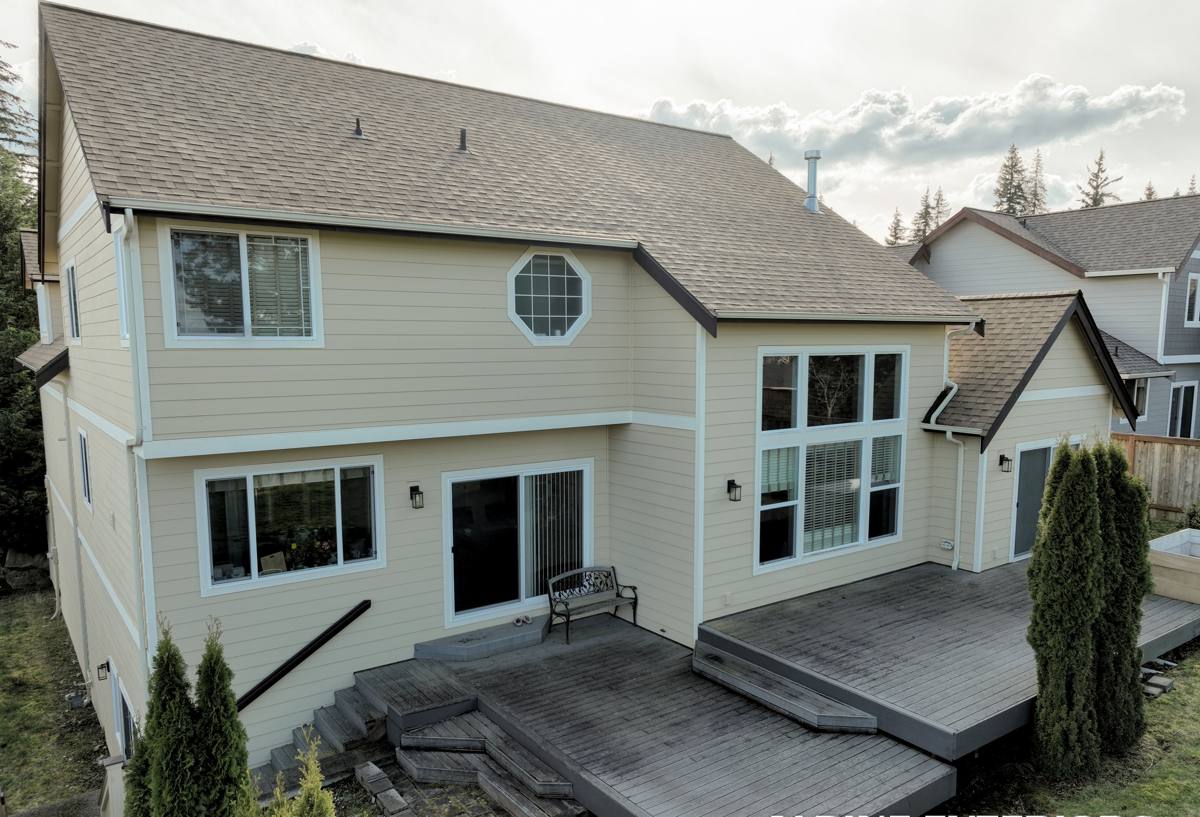
 Deck Replacement for Wesley Chapel Homes
Wesley Chapel has grown fast, and a lot of that growth means outdoor living space — decks attached to homes that see real Florida weather nearly every day of the year. If your deck is starting to feel soft underfoot, the boards have cupped or split, or the railing wobbles when you lean on it, you're not imagining things. Decks in this part of the greater Tampa Bay area age differently than decks in drier, milder climates, and a repair that would hold up somewhere else often just buys a few more months here before the real problem resurfaces.
This page covers what actually goes into a proper deck replacement for a home in the Wesley Chapel area — not a generic national overview, but what we've learned building and rebuilding decks for homeowners dealing with this specific climate.
Why Decks Wear Out Faster Here
Florida's climate is hard on outdoor structures in ways that aren't always obvious from the surface. A few of the biggest factors at play in Wesley Chapel:
- Humidity and daily thunderstorms. Summer afternoon storms mean wood framing and decking cycle between soaked and bone-dry almost every day for months. That constant swelling and shrinking is what drives cupping, splitting, and loosened fasteners over time.
- Intense, year-round UV exposure. Sun in this region isn't seasonal the way it is up north — it's strong nearly twelve months a year. UV breaks down the lignin in wood fibers and degrades the surface finish on composite decking, which is why unmaintained wood grays and roughens so quickly and why cheaper composites can fade or chalk faster than expected.
- Wind-driven rain. Storms here rarely come straight down. Wind pushes rain sideways and up under ledger boards, railing posts, and stair stringers — exactly the joints where water intrusion causes hidden rot long before it's visible from the top of the deck.
- Termites and wood-boring insects. Central Florida's warm, humid conditions support active termite pressure nearly year-round, which is a real consideration for any structure with untreated or improperly protected wood framing.
- Hurricane-force wind events. Even when a storm doesn't make a direct hit, tropical systems and severe thunderstorms bring gusts that test every connection point on a deck — ledger attachment, post bases, and railing anchors especially.
None of this means a deck can't last. It means the details of how it's built matter more here than they would in a milder climate, and cutting corners shows up sooner rather than later.
Repair or Replace? How to Tell
Not every tired-looking deck needs a full replacement. But there are signs that point toward replacement rather than patching:
- Soft or spongy spots in the decking, especially near the house or stairs
- Rot or dark staining where the ledger board meets the house
- Rust streaks around fasteners or visibly corroded hardware
- Posts that wobble, or railings that flex more than a slight give
- Multiple boards cupping, splitting, or popping nails across the whole deck
- A deck built before current code that was never inspected or permitted
If the problems are isolated — one bad board, one loose railing baluster — a repair can make sense. If the framing itself is compromised or the deck is old enough that several systems are failing at once, replacement is usually the more honest recommendation, both for safety and for your wallet over the next several years.
What a Correct Deck Replacement Actually Involves
A deck is a structure, not just a surface to walk on, and treating it that way is what separates a deck that lasts from one that needs attention again in a few years. A proper replacement addresses every layer, not just the decking boards on top.
Ledger Board and House Connection
This is the single most important — and most commonly under-built — connection on any attached deck. It has to be properly flashed to keep wind-driven rain from working its way behind the siding or into the rim joist, and it needs to be fastened with structural lag screws or through-bolts rated for the load, not just deck screws. A poorly flashed ledger is one of the most common causes of hidden rot we find when tearing out an old deck.
Footings and Framing
Footings need to be sized and set to local frost-free depth requirements and soil conditions, with posts, beams, and joists spaced to the load the deck will actually see. Undersized framing or joists spaced too far apart is a common shortcut on older or budget-built decks, and it's not something you can fix without pulling up the decking.
Fasteners and Hardware
In a humid, high-moisture climate, hardware matters as much as lumber. Hot-dip galvanized or stainless steel connectors, joist hangers, and fasteners resist corrosion far better than standard-coated hardware, especially when paired with modern treated lumber, which contains chemicals that accelerate corrosion in lower-grade metal. Cheap fasteners are one of the most common places we see premature failure on decks that otherwise look fine.
Decking Material
The surface material is the most visible choice, and the one most homeowners focus on first — but it only performs well if everything underneath it is done right.
| Material | How it handles Florida climate | Maintenance | General cost range |
|---|---|---|---|
| Pressure-treated wood | Affordable and strong, but needs sealing to resist UV graying and moisture cycling | Annual cleaning and resealing recommended | Lowest upfront cost |
| Capped composite | Resists rot and insects well; better UV stability than early composites, though quality varies by brand | Occasional washing, no sealing or staining | Mid-to-upper range |
| PVC decking | Fully synthetic, excellent moisture resistance, no wood fibers for insects to target | Low — periodic cleaning | Highest upfront cost |
Each of these can be the right call depending on your budget, how long you plan to stay in the home, and how much maintenance you're willing to keep up with. We'll walk through the real trade-offs for your situation rather than pushing whatever has the best margin.
Railing and Code Compliance
Railing height, baluster spacing, and guard requirements are governed by the Florida Building Code, and older decks in the Wesley Chapel area were sometimes built before current standards or without a permit at all. Replacement is the natural time to bring a deck fully up to code — not just for the inspection, but because these standards exist for real safety reasons, particularly with kids and pets using the space.
Our Process
- On-site inspection. We look at the existing structure from the ground up — footings, framing, ledger connection, and decking — and tell you honestly what's salvageable and what isn't.
- Written estimate. You get a clear scope of work and pricing before anything starts, with material options explained in plain terms.
- Permitting. Deck replacements typically require a permit and inspection. We handle that process so the finished structure is documented and code-compliant.
- Demolition and disposal. The old deck comes out cleanly, and we haul away the debris.
- Structural rebuild. New footings, framing, ledger flashing, and corrosion-resistant hardware go in first — the part that doesn't show but matters most.
- Decking and railing installation. Your chosen material is installed with attention to proper fastening patterns and spacing for expansion.
- Final inspection and walkthrough. We confirm everything passes and walk the finished deck with you before calling the job done.
Why a Local Crew Matters
A deck that's engineered for a dry climate with mild summers isn't automatically right for a home in the Tampa Bay region. A crew that regularly works in Wesley Chapel and the surrounding area already knows the county permitting process, the wind load requirements that apply here, and which construction details actually hold up against Florida's combination of heat, humidity, sudden storms, and hurricane season. That familiarity shows up in fewer surprises during permitting and a deck that's built for the conditions it will actually face, not a generic spec sheet.
It also matters for accountability. A local crew is easy to reach if a question comes up after the job — not a name attached to a one-time project from out of the area.
Protecting Your Investment After Installation
Even a well-built deck benefits from basic upkeep, especially given how hard the sun and rain work against outdoor structures here.
- Rinse off pollen, dirt, and organic debris regularly — buildup traps moisture against the surface
- Keep gutters and downspouts directing water away from the deck area, not onto it
- Check railing posts and stair connections once or twice a year for movement
- Reseal or restain wood decking on the schedule recommended for the product you chose
- Address any soft spots or discoloration right away rather than waiting
- Trim back vegetation that keeps the deck surface shaded and damp
What Drives the Cost of a Deck Replacement
| Factor | Why it affects cost |
|---|---|
| Deck size and shape | Square footage and complex angles or multiple levels increase material and labor |
| Decking material chosen | Pressure-treated wood, composite, and PVC carry different material costs |
| Height and stairs | Elevated decks and staircases add framing, railing, and code requirements |
| Existing structure condition | Rotted footings or framing may require more extensive rebuilding than expected |
| Permitting requirements | Permit and inspection fees vary and are part of doing the job correctly |
We won't quote a price without seeing the deck in person — anyone who does is guessing, and guessing on a structural project isn't fair to you.
Get an Honest Look at Your Deck
If your Wesley Chapel deck is showing its age, or you're not sure whether it needs a repair or a full replacement, we're happy to come take a look. There's no pressure and no obligation — just a straight answer about what your deck needs and what it would take to get it right. Fill out the form below to schedule a free estimate.