 Tampa Window
 Why Valrico Homes Need Siding That's Actually Built for This Climate
Valrico sits inland from Tampa Bay in Hillsborough County, which spares it from the worst of direct salt spray that coastal neighborhoods deal with, but it does nothing to protect homes from the rest of what Central Florida throws at exterior siding year-round. Intense, near-constant UV exposure bakes painted and low-grade siding surfaces for most of the year. Summer thunderstorms bring wind-driven rain that finds every gap in a poorly flashed wall system. And when a tropical system or hurricane tracks through the Tampa Bay area, Valrico still sees sustained winds and gusts strong enough to test even a well-installed siding job — let alone one that was rushed or under-fastened.
Humidity is the constant background threat. Hillsborough County's subtropical climate keeps moisture in the air almost every month of the year, and siding that traps water behind it — through poor house wrap detailing, missing flashing, or products that swell and rot when wet — fails from the inside long before it looks bad from the street. A siding installation done right for Valrico has to account for all of this at once: heat, UV, wind, and moisture, not just one of them.
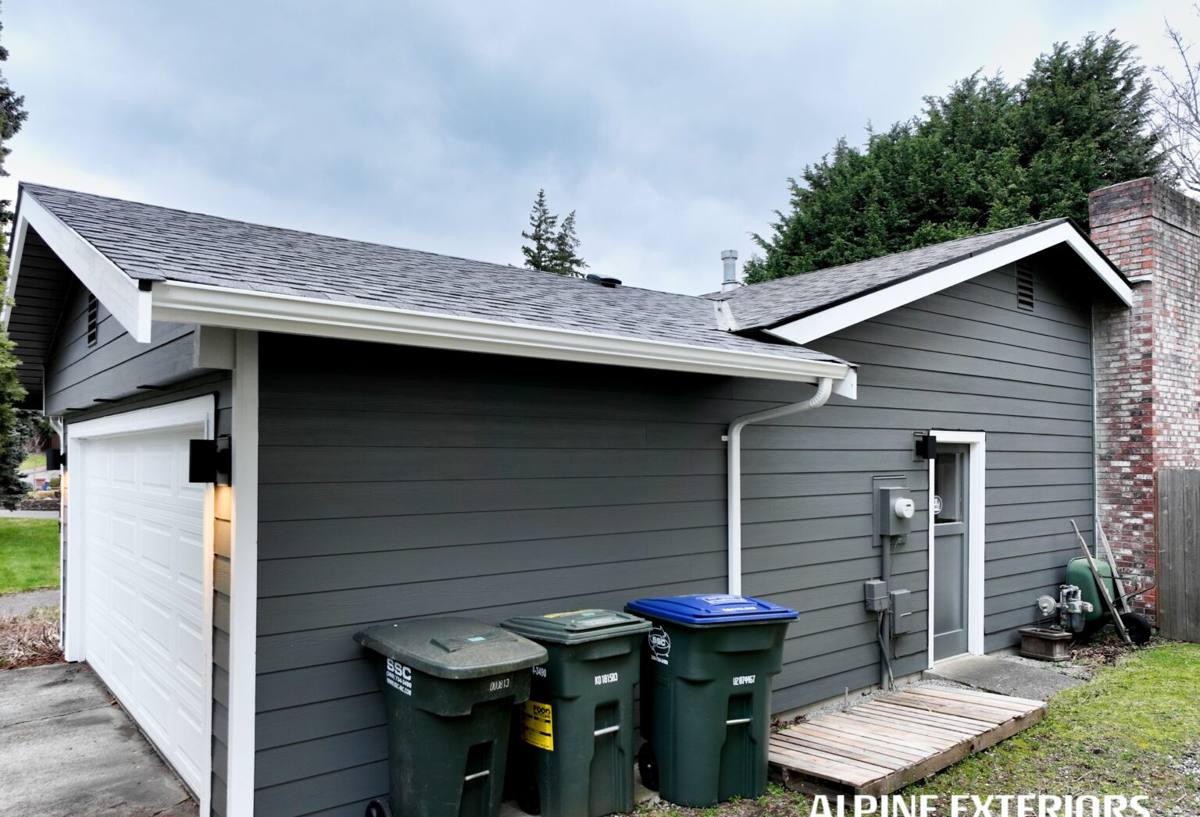
What "Correct" Siding Installation Actually Involves
Siding is a system, not a single layer. The board itself matters, but most siding failures we see in this area trace back to installation shortcuts, not the product. A correct install includes:
Weather-Resistive Barrier and Flashing
A continuous, properly lapped house wrap behind the siding is the first line of defense against wind-driven rain. Every window, door, and penetration needs flashing that directs water out and down, never behind the barrier. This is the part of the job nobody sees once it's finished — and it's the part that determines whether the wall stays dry for the next 30 years.
Proper Fastening for Wind Zones
Hillsborough County's building code reflects its wind exposure. Fastener type, spacing, and placement all change based on the product manufacturer's specifications for the local wind zone. Undersized or overdriven fasteners are one of the most common causes of siding that cracks, loosens, or blows off in a storm — often long before the siding itself has reached the end of its usable life.
Clearances and Drainage
Siding needs a gap above grade, above roofing, and around penetrations so water has somewhere to go. Siding installed too close to the ground, a patio slab, or a roofline traps moisture against the bottom edge — the single most common place we find rot and damage on homes in this region.
Correct Joint and Panel Treatment
Butt joints, corners, and seams need to be treated according to the manufacturer's system, including factory-finished edges where required. Field-cut edges left unsealed become a moisture entry point, no matter how good the rest of the installation is.
Why We Install James Hardie Fiber Cement — and Nothing Else
We install James Hardie fiber cement siding exclusively. We don't install vinyl, LP SmartSide, Cemplank, Allura, or primed wood siding, and we're upfront about why: after years of working on homes across the Tampa Bay area, we standardized on the one product system that consistently holds up to this specific combination of heat, UV, humidity, and wind without the maintenance burden or moisture vulnerability we've seen in the alternatives.
James Hardie's fiber cement is non-combustible, dimensionally stable in heat and humidity, and available in HZ5 formulations engineered for climate zones like ours. The ColorPlus factory finish is baked on under controlled conditions rather than field-painted, which matters enormously in a climate where UV breaks down paint faster than almost anywhere else in the country. It carries a strong, transferable warranty — but only when installed to the manufacturer's specification, which is exactly what our process is built around.
This isn't a knock on every other product on the market in isolation — vinyl and engineered wood siding both have legitimate uses and reasonable installations elsewhere. It's that we've made a professional decision about what we're willing to put our name behind on Valrico roofs and walls, and fiber cement engineered for this climate is it.
Comparing Siding Approaches for a Valrico Home
| Factor | Vinyl Siding | Engineered Wood (LP/Similar) | James Hardie Fiber Cement |
|---|---|---|---|
| UV / fade resistance | Fades and chalks under sustained sun exposure | Paint film degrades over time, needs repainting | Factory ColorPlus finish resists fading longer |
| Moisture behavior | Doesn't rot, but can warp; water can get trapped behind panels | Vulnerable to swelling and rot if moisture gets in | Cement composition doesn't rot or swell with humidity |
| Wind performance | Can crack or blow off in high wind if fastened incorrectly | Similar fastening sensitivity as other panel products | Rated for high-wind zones when installed to spec |
| Fire resistance | Combustible | Combustible | Non-combustible |
| Typical maintenance | Low, but limited repair/color options | Higher — repainting and moisture monitoring | Low — occasional cleaning, no repainting cycle |
Our Siding Installation Process for Valrico Homes
- On-site assessment. We inspect the existing siding, sheathing, and any water damage before quoting anything — problems found after tear-off shouldn't be a surprise.
- Tear-off and sheathing check. Old siding comes off and the sheathing underneath gets inspected for rot or damage before anything new goes on.
- House wrap and flashing. A continuous weather-resistive barrier goes up first, with flashing detailed at every window, door, and penetration.
- Hardie panel or plank installation. Installed per manufacturer spec for fastener type, spacing, and clearance, matched to Hillsborough County's wind requirements.
- Trim, corners, and joint treatment. Field-cut edges are sealed and finished according to the ColorPlus system to protect the factory finish.
- Final walkthrough. We review the completed work with the homeowner before calling the job done.
Signs a Valrico Home May Need New Siding
Siding often fails quietly before it fails visibly. Common warning signs on homes in this area include:
- Soft or spongy spots when pressed near the bottom edge of siding panels
- Visible warping, buckling, or gaps between panels
- Paint that's peeling or bubbling on the siding itself, not just trim
- Rising cooling bills that suggest heat and moisture getting through the wall assembly
- Visible cracking after a storm, even if the panels haven't come loose
- Musty smells or discoloration on interior walls that back up to exterior siding
What to Ask Before Hiring a Siding Contractor in Valrico
- Are you licensed and insured to do exterior work in Hillsborough County?
- Will you inspect and document the sheathing condition before installing new siding?
- What fastening schedule will you use, and does it match the manufacturer's wind-zone spec?
- Who handles the warranty if something goes wrong — you, or only the manufacturer?
- Can you walk me through how you'll flash windows, doors, and joints before work starts?
- Do you have experience installing this specific product system, not just "siding" in general?
Why Local Experience in This Area Matters
A siding installation crew that already works throughout the Tampa area understands the practical realities of building in Hillsborough County — the permitting process, the wind-load requirements that apply to this part of Florida, and the specific ways homes here take on damage over time. That experience shows up in details: how flashing gets detailed around a Florida-style roofline, how clearances get handled near patios and pool enclosures that are common on Valrico properties, and how a crew paces a job around our summer storm patterns instead of getting caught mid-installation by an afternoon downpour.
It also matters after the work is done. A contractor who's still working in the area next year, and the year after, is the one who stands behind a warranty claim instead of leaving a homeowner to deal with the manufacturer alone.
Caring for Your Siding After Installation
Fiber cement siding installed correctly requires very little upkeep, but a few habits extend its life even further in this climate: rinse it periodically to clear pollen, salt-tinged air moving inland from the bay, and general grime; keep irrigation heads and sprinklers from spraying directly on the siding long-term; and have caulking and joint seals checked every few years, since sealant degrades faster under intense Florida sun than the siding itself does.
If you're weighing a siding project for your Valrico home, we're happy to take a look and give you a straightforward, no-pressure estimate — including an honest read on whether repair, partial replacement, or a full re-side makes the most sense for your situation. Use the form below to get started.