 Tampa Window
 Composite Decking Built for Valrico's Climate
Valrico sits inland from Tampa Bay, but that doesn't mean the weather goes easy on outdoor structures. Homes here still deal with Hillsborough County's full seasonal cycle: long stretches of high humidity, intense UV exposure nearly year-round, sudden summer thunderstorms, and the occasional hurricane-force wind event that pushes rain sideways into every exposed surface. A deck that isn't built and installed with that reality in mind will show it within a few seasons — fading, warping, soft spots, or fasteners that back out as the structure moves.
Composite decking has become the go-to choice for homeowners in this area who are tired of the annual maintenance cycle that wood decking demands. But composite is not a "install it and forget it" product either. How it's fastened, ventilated, and finished at the edges determines whether it holds up for decades or becomes a callback within a year or two. This page covers what a correctly built composite deck looks like for a Valrico home, and what our process does differently.
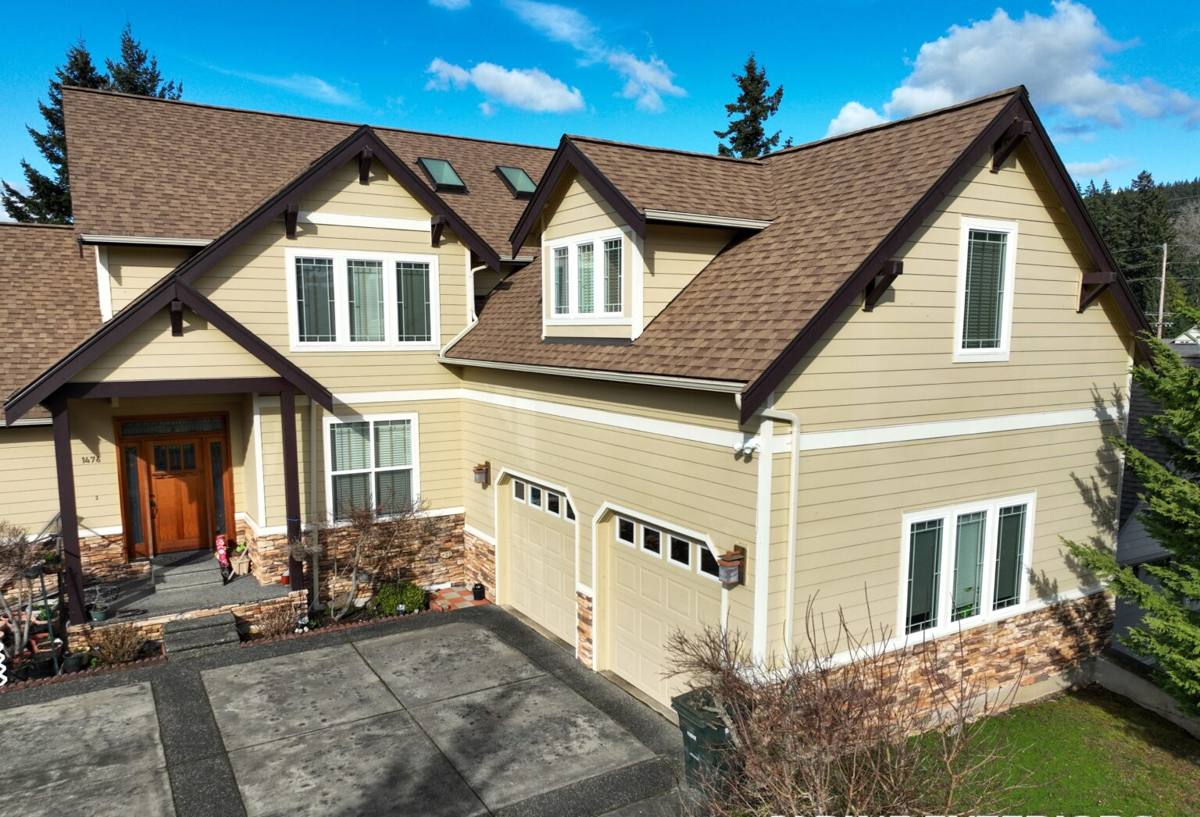
What Valrico Homes Specifically Need From a Deck
Valrico's mix of established neighborhoods and newer construction means we see a wide range of existing structures — some decks that are decades old and due for a full replacement, others that are additions to newer homes needing a first deck built from scratch. A few local factors shape how we approach every project here:
- Humidity and ground moisture: Inland Hillsborough County soil holds moisture well after storms, which matters for post and footing placement, not just the decking material itself.
- UV load: Central Florida sun is intense for most of the year. Materials and fastening systems that aren't UV-stable will fade unevenly or become brittle faster than their rated lifespan suggests.
- Wind-driven rain: During storm season, rain doesn't just fall — it drives horizontally under railings, through gaps, and against ledger connections. Flashing and gapping details matter more here than in drier climates.
- Salt air influence: While Valrico is inland, Tampa Bay's proximity still puts a mild salt content in the air compared to fully landlocked regions, which is a factor in fastener selection.
None of this means composite decking is a bad fit for Valrico — quite the opposite. It's one of the better-suited materials for this climate when it's installed correctly. The issue is that "correctly" involves details that get skipped on rushed jobs.
Composite vs. Wood vs. PVC: An Honest Comparison
We install composite decking because, for most Valrico homeowners, it's the best balance of upfront cost, appearance, and long-term maintenance given our climate. That said, every decking material has trade-offs worth understanding before you decide.
| Material | Maintenance | Heat & Sun Behavior | Moisture Behavior | Typical Lifespan |
|---|---|---|---|---|
| Pressure-treated wood | Annual sealing/staining required | Fades, splinters, and checks under UV over time | Absorbs moisture; prone to rot and cupping | 10-15 years with upkeep |
| Composite (capped) | Occasional washing; no sealing/staining | Stable color retention when properly capped | Resists rot; won't absorb water like wood | 25-30 years |
| PVC/vinyl decking | Very low maintenance | Can run hotter underfoot in direct sun | Fully moisture resistant | 25-30+ years |
We generally steer homeowners toward capped composite over uncapped composite because uncapped boards absorb more moisture at the core, which shows up as swelling and mold susceptibility faster in a humid climate like ours. That's an installation standard we hold ourselves to, not a claim that every uncapped product will fail — it's simply a trade-off we don't think is worth carrying in this region's humidity.
What a Correct Composite Deck Installation Involves
Substructure First
The decking boards get the attention, but the framing underneath is what actually determines whether the deck lasts. For Valrico installations, that means:
- Footings sized and set to local frost-free depth requirements (not a concern for freeze, but for load-bearing stability in our soil types)
- Joists spaced to the decking manufacturer's specification — composite often requires tighter joist spacing than wood, especially on angled or picture-frame layouts
- Corrosion-resistant fasteners and joist tape or flashing at every ledger and joist connection to manage the wind-driven rain this region sees
- Proper airflow beneath the deck surface to prevent trapped moisture, which matters more here than in drier states
Fastening and Board Layout
Composite boards expand and contract with heat more than wood does. Under direct Florida sun, that movement is real and needs to be planned for with correct gapping between boards and at all fixed points (walls, posts, stair stringers). Hidden fastener systems are typically our preference for composite because they avoid the surface penetration points where water and UV degradation start on a screwed-face board.
Edges, Stairs, and Railings
Fascia boards, stair stringers, and railing posts are where a lot of decks fail first — not the field of the deck itself. These are the areas most exposed to driving rain and direct sun, and they need the same attention to fastening and flashing as the main deck surface.
Our Process for a Valrico Composite Deck Project
- On-site assessment: We look at your existing structure (if replacing) or the build site (if new), check soil and drainage conditions, and measure sun exposure across the day.
- Material and layout discussion: We walk through board color, hidden vs. face-fastened systems, and railing options based on your home's style and budget.
- Structural build: Footings, framing, and joists go in first, built to span and spacing requirements for the composite product chosen.
- Decking installation: Boards are laid with correct gapping, fastened per manufacturer spec, and checked for level and drainage slope.
- Finish work: Fascia, stair details, and railings are installed and all fasteners and flashing points are inspected before we call the job done.
- Final walkthrough: We go over care basics with you — composite needs far less than wood, but a few habits extend its life even further.
Repair vs. Full Replacement
Not every aging deck in Valrico needs to be torn out completely. If the substructure is sound — footings solid, framing free of rot or insect damage — we can sometimes resurface with new composite boards over existing framing, provided the joist spacing works for the new material. But if we find soft framing, undersized footings, or fastening that's already failed from wind and moisture exposure, patching the surface just delays a bigger problem. We'll tell you honestly which situation you're in before any work starts.
Signs Your Deck Needs More Than a Surface Fix
- Soft or spongy spots when you walk across the deck
- Visible gaps or separation at ledger board connections
- Posts that wobble or have visible rot at the base
- Fasteners that have backed out or rusted through
- Boards that have cupped, split, or show core swelling
Maintenance: What Composite Actually Requires
One of the main reasons homeowners switch to composite is the drop in upkeep compared to wood. That said, "low maintenance" isn't "no maintenance," especially in a climate like ours where pollen, humidity, and organic debris build up quickly.
| Task | Frequency | Why It Matters Here |
|---|---|---|
| Wash surface with soap and water | 2-4 times per year | Prevents mildew growth in our humid climate |
| Clear debris from gaps between boards | Seasonally, more after storms | Maintains airflow and drainage under wind-driven rain conditions |
| Inspect fasteners and railings | Annually | Catches corrosion or loosening before it becomes structural |
| Check under-deck ventilation | Annually | Prevents trapped moisture that can affect framing even when boards are composite |
Why It Matters to Hire a Crew That Already Works in Valrico
A deck built by a crew unfamiliar with this specific climate often looks fine on installation day and shows its problems eighteen months later — inadequate gapping that buckles boards in summer heat, fasteners that weren't rated for our humidity and salt-influenced air, or framing that wasn't flashed against wind-driven rain. We work throughout the Tampa area, including Valrico and the surrounding Hillsborough County communities, so our fastening schedules, material choices, and drainage details are calibrated to what actually holds up here, not to a generic national installation guide written for a drier or milder region.
We also stand behind the work with manufacturer-backed warranties on materials and our own workmanship guarantee on the installation itself — two separate things worth understanding clearly before any deck project starts, wood or composite.
Get a Straight Answer About Your Deck Project
Whether you're replacing a worn-out wood deck, upgrading an aging composite deck, or building new, we'll give you an honest assessment of what your project actually needs — no inflated scope, no pressure. Request a free estimate below and we'll walk your property, answer your questions, and give you a clear picture of the work and cost involved.