 Tampa Window
 Deck Building in Town 'n' Country: What Actually Holds Up
Town 'n' Country sits in a part of Hillsborough County where a backyard deck earns its keep almost year-round — but that same climate is exactly what wears decks out early. Between the summer humidity, the intense UV load, the wind-driven rain off Tampa Bay storm systems, and the salt-tinged air that drifts inland from the coast, a deck built with generic assumptions instead of local ones tends to show problems within a few seasons: cupped boards, rusting fasteners, soft spots at the ledger, and finishes that fail well before their warranty date. We build decks in this area specifically for this area, and that shows up in the material choices, the fastener spec, and the way we detail moisture and airflow.
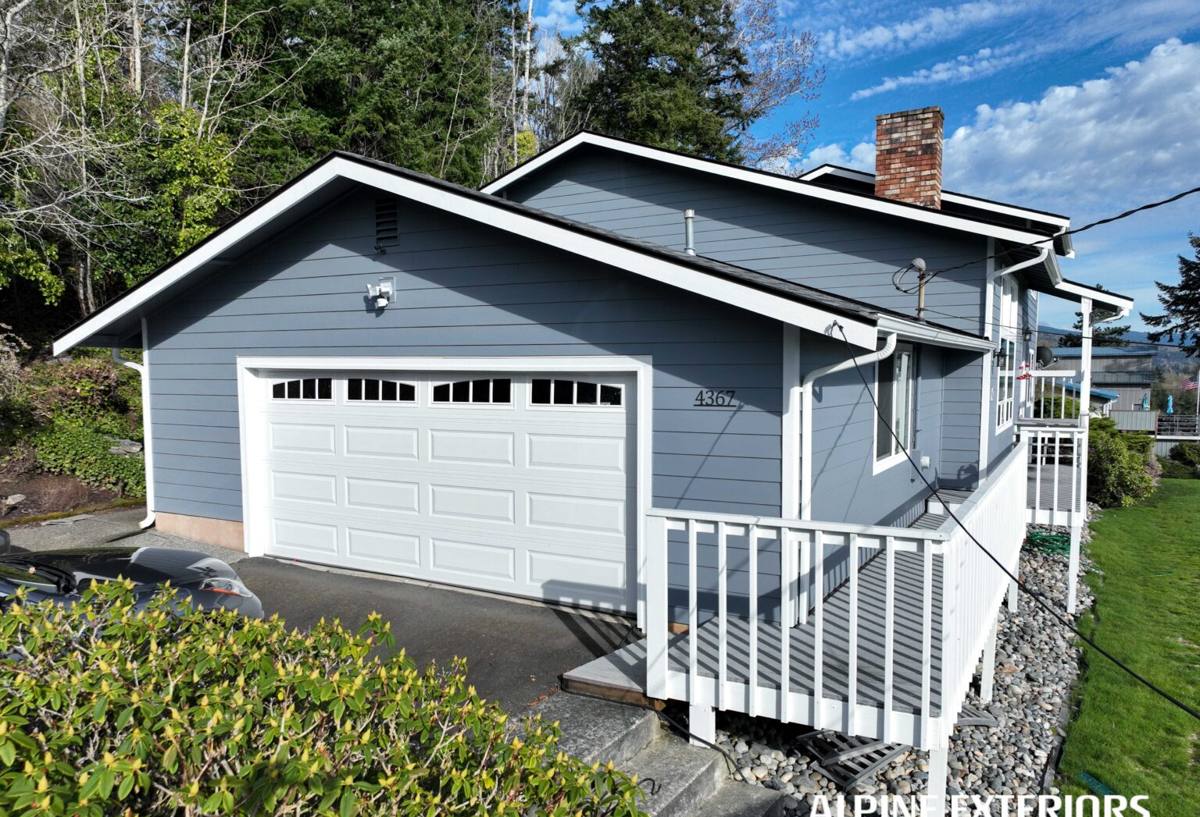
What Town 'n' Country's Climate Actually Does to a Deck
It helps to be specific about the mechanisms, not just the buzzwords, because each one points to a different fix.
Heat and UV
Florida sun is close to constant for most of the year. Uncoated or poorly sealed wood dries out, checks, and splinters faster here than it would further north. Composite and PVC decking fade over time too — every product does — but the good ones are engineered with UV stabilizers and cap-stock protection that hold color far longer than a stain film on wood ever will.
Humidity and rain
Tampa's rainy season brings sudden, heavy downpours, often driven sideways by wind. Water that can't shed quickly off a deck surface, or that gets trapped against a ledger board or post base, sets up the conditions for rot and mold — even in decking rated as "weather resistant." Drainage slope, gapping between boards, and ventilation underneath the deck matter as much as the decking material itself.
Wind and storms
Hillsborough County's wind load requirements exist because this area sees real hurricane and tropical storm exposure. A deck attached to the house needs a properly flashed, properly fastened ledger connection, not just lag screws into siding. Freestanding structures and any attached pergola or roof need post connections and hardware rated for uplift, not just downward load.
Salt and moisture in fasteners
Town 'n' Country isn't beachfront, but Tampa Bay's salt air still reaches inland neighborhoods, and combined with humidity it accelerates corrosion in anything but the right-grade hardware. We've seen decks elsewhere built with standard coated screws that streak and weaken within a couple of years — the fix is stainless steel or high-grade coated fasteners specified for coastal-adjacent use, not the cheapest box at the hardware store.
Choosing the Right Decking Material for This Neighborhood
There's no single "best" decking product — there's a best fit for how a household uses the deck, what upkeep they're willing to do, and what budget they're working with. We lay out the honest trade-offs rather than pushing one option.
| Material | Upfront Cost | Maintenance | How It Handles This Climate |
|---|---|---|---|
| Pressure-treated pine | Lowest | Re-seal/stain every 1-2 years | Affordable and strong, but needs consistent sealing to resist Florida humidity and UV; skipped maintenance shows fast |
| Tropical hardwood (e.g. ipe-type) | High | Periodic oiling to maintain color | Naturally dense and rot-resistant, ages to gray gracefully if left unsealed, but is heavier and pricier to install correctly |
| Composite decking | Mid-High | Occasional washing | No sealing or staining; good fade and moisture resistance with a quality cap-stock product |
| PVC decking | Highest | Minimal — soap and water | Fully synthetic, doesn't absorb moisture, strong UV performance, best long-term option for humid, sun-heavy climates |
For a lot of Town 'n' Country homeowners — many with mid-century ranch homes and modest backyard footprints — composite or PVC ends up being the better long-term value even with a higher sticker price, simply because the maintenance burden of wood in this climate is real and ongoing. That said, wood remains a legitimate choice for homeowners who want the look and don't mind the upkeep, and we'll build a wood deck correctly if that's the preference.
Substructure: Where Decks Actually Fail First
Homeowners tend to focus on the decking surface, but the framing and footings underneath are what determine whether a deck lasts 10 years or 30. This is also where cutting corners is invisible until it isn't.
Footings and post bases
Footing depth and sizing need to account for local soil conditions and load requirements, not a rule of thumb copied from another region. Post bases should sit above grade and be detailed so standing water doesn't wick into the post end grain — a common failure point we see on older, poorly built decks in this area.
The ledger connection
If the deck attaches to the house, the ledger board is arguably the single most important connection on the whole structure. It needs proper flashing to keep water from tracking behind it into the house wall, and lag bolts or through-bolts sized and spaced to the load and wind requirements — not just enough screws to make it feel solid by hand.
Joists, hangers, and hardware
Galvanized or stainless joist hangers, structural screws rather than nails at key connections, and blocking where the span calls for it all add up to a frame that won't loosen or sag under years of humidity cycling and thermal movement.
Permitting and Code in Hillsborough County
Deck construction in this area is governed by the Florida Building Code as adopted and enforced locally, and most decks — especially anything attached to the house, elevated, or with stairs and railings — require a permit and inspection. This isn't a box-checking exercise; it's the mechanism that catches an undersized footing or a missing hurricane tie before it becomes a safety problem. Guardrail height, baluster spacing, and stair geometry are all code-defined, not optional design choices, and inspectors here pay particular attention to ledger attachment and structural connections given the area's wind exposure.
We handle the permit application, coordinate the required inspections, and build to pass on the first visit — which also matters for resale, since an unpermitted deck can complicate a home sale or an insurance claim down the line.
Our Deck Building Process
- On-site assessment — we walk the yard, check grade and drainage, note sun exposure, and talk through how the space will actually be used.
- Design and material selection — layout, size, decking material, railing style, and any features like built-in seating or a stair configuration, matched to budget.
- Permit submission — drawings and structural details submitted to the county, with us tracking the review.
- Site prep and footings — layout staked, footings dug and poured to spec, post bases set.
- Framing — ledger (if applicable), beams, joists, and hardware installed and inspected before decking goes down.
- Decking, railing, and stairs — surface material installed with correct spacing and fastening, railing and stair systems built to code.
- Final inspection and walkthrough — county sign-off, then a walkthrough with the homeowner covering care and maintenance specific to the material chosen.
What a New or Rebuilt Deck Should Include
Whether we're building new or replacing a failing deck, this is the baseline we hold ourselves to on every project in this climate:
- Footings sized and set to local code and soil conditions, not guesswork
- Ledger board properly flashed and through-bolted where attached to the house
- Stainless steel or coastal-grade coated fasteners throughout
- Adequate board gapping and slope for fast water shedding
- Ventilation beneath the deck to reduce trapped moisture and mold risk
- Guardrails and stair geometry built to Florida Building Code requirements
- Hardware and connections rated for the wind loads this area actually sees
- A material recommendation that matches the homeowner's real maintenance appetite
Repair, Replacement, or Rebuild?
Not every aging deck in Town 'n' Country needs to be torn out. If the framing and footings are sound and the problems are limited to worn decking boards, a re-decking project — keeping the structure and replacing the surface, sometimes upgrading to composite or PVC in the process — can be a smart, less expensive path. But if we find soft or rotted joists, undersized or corroded ledger fasteners, or footings that were never adequate to begin with, patching the surface just delays a bigger problem. Part of our estimate is an honest read on which category a given deck falls into, with the reasoning explained, not just a number.
Why a Crew That Already Works Town 'n' Country Matters
Building decks in this specific part of Hillsborough County means knowing the local permitting office's expectations, understanding the soil and drainage patterns typical of the area's older residential lots, and having already worked through the wind-load and flashing details that this climate demands — instead of learning them on your project. It also means we're a known, findable local business if a question comes up five years after installation, not a name that only shows up during the sales pitch.
If you're planning a new deck or need an honest opinion on one that's showing its age, we're glad to come take a look. Fill out the form below for a free, no-pressure estimate — we'll walk the space, answer your questions, and give you a straight recommendation.