 Tampa Window
 New-Construction Windows in Town 'n' Country
Town 'n' Country sits in that stretch of unincorporated Hillsborough County between Tampa proper and the Gulf, which means homes here take the same climate beating as the rest of the Bay Area: long summers of intense UV, tropical downpours that come in sideways on a gust front, and the periodic hurricane or tropical storm that tests every seam in a house. When you're framing a new build, an addition, or a full teardown-rebuild, the windows you choose and how they're set into the rough opening matter as much as the wall assembly around them. Get it right and the window becomes part of the building envelope's defense. Get it wrong and you've built a leak path into a brand-new house.
This page is about one thing specifically: new-construction window installation for Town 'n' Country projects, not window replacement in an existing home (that's a different job with different techniques — more on that below). If you're a builder, a general contractor, or a homeowner managing your own new-construction or addition project, here's what actually goes into doing this correctly in this part of Hillsborough County.
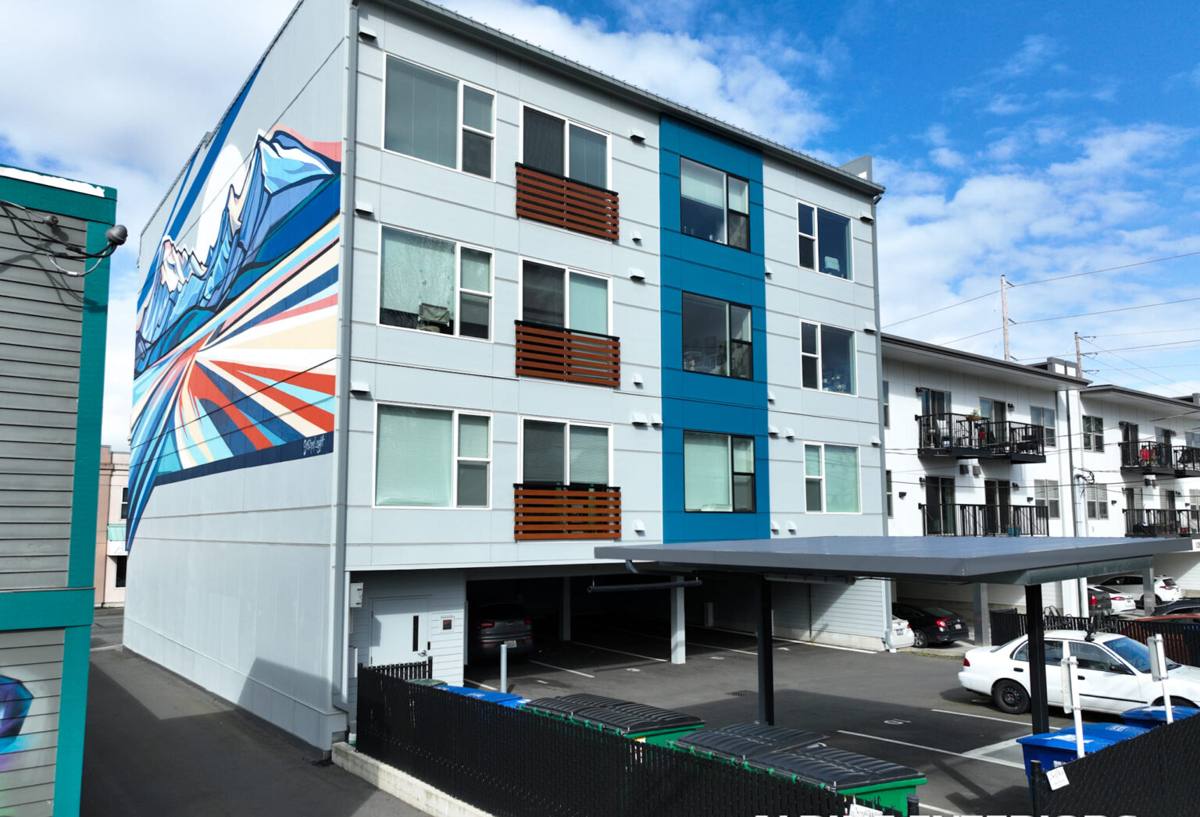
New-Construction vs. Replacement: Why the Distinction Matters
These two jobs get lumped together in casual conversation, but they're not interchangeable, and a contractor who only does one well can cause real problems doing the other.
New-Construction (Flanged) Windows
New-construction windows have a nailing fin — a flange around the perimeter of the frame — that gets fastened directly to the wall sheathing before siding, stucco, or brick veneer goes on. The window becomes part of the wall's water-management system: it integrates with the house wrap or building paper, the flashing tape, and the drainage plane behind the cladding. This only works when the rough opening is still exposed, which is why it's done during framing, not after the house is finished.
Replacement (Block-Frame or Insert) Windows
Replacement windows are designed to fit into an existing opening without disturbing the exterior finish. There's no nailing fin exposed to the weather; the window relies on sealant and interior/exterior trim for water management. It's a faster, less invasive job, but it isn't the right approach for a new build — you'd be skipping the flashing integration that a flanged window and a fresh rough opening allow you to do properly.
For a new build or addition in Town 'n' Country, you want a crew that installs flanged windows correctly the first time, because once the siding or stucco is on, correcting a bad flashing job means tearing into finished exterior work.
What Town 'n' Country's Climate Demands From a New Install
Every window installed here has to survive four things, repeatedly, for decades: wind load, UV exposure, wind-driven rain, and salt-laden air moving in off the Gulf. New construction is actually the best possible time to build in margin against all four, because you're not working around an existing wall assembly.
Wind Load and Storm Pressure
Hurricane and tropical storm winds don't just push on glass — they load the entire frame and its attachment to the structure. A new-construction window needs the correct fastening schedule into structural framing (not just sheathing), the right shim and anchoring pattern, and glass or a shutter system rated for the wind pressures the Florida Building Code assigns to this part of Hillsborough County. Skipping or shortcutting the fastening schedule is one of the most common ways a window fails in a storm even though the glass itself was fine.
UV Exposure
Florida sun is hard on everything — vinyl frames can degrade or discolor, seals can dry out early, and low-quality glass coatings can fail years ahead of schedule. Low-E glass and UV-stable frame materials aren't optional upgrades here; they're what keeps a window performing and looking right ten years in instead of five.
Wind-Driven Rain
Straight-down rain is easy to shed. Rain pushed sideways by 40-60 mph gusts finds every gap in flashing, every poorly lapped piece of house wrap, and every skipped bead of sealant. This is almost entirely an installation issue, not a product issue — even a top-tier window will leak if the flashing sequence behind it is wrong.
Salt Air
Town 'n' Country isn't beachfront, but it's close enough to the Bay and the Gulf that airborne salt is a real, slow corrosive on hardware, screws, and fasteners. Using corrosion-resistant fasteners and hardware at install time is cheap insurance against hinges, cranks, and locks seizing up or staining years down the road.
Codes, Permits, and Wind-Borne Debris Requirements
New-construction windows in Hillsborough County have to meet Florida Building Code wind-load requirements for this region, and the exact pressure rating a window needs depends on the home's location, elevation, and exposure category. Properties close enough to the coast fall inside a wind-borne debris region, which typically requires impact-rated glass or code-compliant shutters on openings — this is determined address by address, not neighborhood by neighborhood, so it's worth confirming with the local building department or your contractor before ordering product. Every new-construction window install also needs a permit and inspection; this isn't paperwork you want to skip, because an uninspected window installation can become a real problem at resale or insurance renewal time.
- Confirm the wind pressure rating required for the specific address, not just the general area
- Verify whether the lot falls in a wind-borne debris region requiring impact glass or shutters
- Pull the permit before installation, not after
- Keep the Florida Product Approval documentation for every window installed — you'll want it for inspections, insurance, and resale
- Schedule the inspection at the correct stage, before the opening is covered by siding or stucco
Frame Material and Glass Options
There's no single "best" window for every new build — the right choice depends on budget, the home's design, and how much of the storm and UV load you want the frame versus the glass to carry. Here's how the common options compare for a Town 'n' Country new-construction project:
| Option | Strength | Trade-off |
|---|---|---|
| Vinyl frame | Cost-effective, low maintenance, good insulation | Can expand/contract more with heat; quality varies a lot by manufacturer |
| Fiberglass frame | Very stable in heat and UV, strong, low maintenance | Higher upfront cost than vinyl |
| Aluminum frame | Strong, slim sightlines, common in coastal/impact designs | Conducts heat more than vinyl or fiberglass; needs a thermal break for efficiency |
| Impact-rated glass | Meets wind-borne debris code without separate shutters; also cuts noise | Higher cost per window than standard glass |
| Standard Low-E glass + code shutters | Lower glass cost | Requires deploying shutters before every storm; added maintenance |
We steer clients toward whichever combination actually fits their budget and the way they intend to use the home — but we're upfront when a cheaper option comes with a real maintenance or performance trade-off, rather than letting a homeowner find that out the hard way in year three.
How We Handle New-Construction Window Installation
The process for a new build or addition follows the same sequence every time, because skipping a step is exactly how leaks and warranty problems start.
1. Rough Opening Check
Before a window goes anywhere near an opening, we confirm it's square, plumb, and sized correctly. A window forced into an out-of-square opening never seals or operates right, no matter how good the product is.
2. Flashing and Water Management
Sill pan flashing goes in first, then the window, then the flange gets integrated with the house wrap in the correct shingle-lap order — top piece over the sides, sides over the sill — so water is always directed outward, never into the wall cavity.
3. Fastening to Meet Wind Rating
Fasteners go into structural framing at the spacing required for the window's rated wind pressure, not just wherever is convenient. This is the step that most directly determines whether the window holds in a storm.
4. Air Sealing and Insulation
The gap between the rough opening and the window frame gets properly insulated and air-sealed — done wrong, this is a common source of both drafts and moisture problems later.
5. Final Inspection and Sign-Off
We walk every opening before it's covered by cladding, confirm operation, check seals, and make sure everything is ready for the county inspector.
Why It Matters to Hire a Crew That Already Works Town 'n' Country
Every Florida county interprets and enforces the Florida Building Code a little differently in practice — inspectors have preferences, permitting offices have their own submission quirks, and wind-borne debris boundaries need local knowledge to apply correctly to a specific lot. A crew that's already pulled permits and passed inspections on Town 'n' Country and Hillsborough County jobs knows the local building department's expectations, knows what documentation an inspector will actually ask to see, and isn't learning the process on your project. That familiarity translates directly into fewer inspection delays and fewer surprises mid-build.
Keeping New-Construction Windows Performing for the Long Run
A correct install is most of the battle, but a little upkeep keeps windows performing at their rated level for the life of the home:
- Rinse frames and tracks periodically to clear salt residue and airborne grit
- Inspect exterior sealant beads yearly, especially after a hard storm season, and re-caulk any cracked joints promptly
- Lubricate hardware (locks, cranks, hinges) to keep corrosion-resistant components moving freely
- Keep weep holes in the sill clear so water can drain out as designed
- Have shutters or impact glass verified before hurricane season each year, not during a storm watch
If you're framing a new home, an addition, or a rebuild in Town 'n' Country, we're happy to walk the plans, talk through frame and glass options for your budget, and give you a straightforward, no-pressure estimate — use the form below to get started.