 Tampa Window
 Metal Roofing in Town 'n' Country: What Local Homes Actually Need
Town 'n' Country sits in unincorporated Hillsborough County, tucked between busy commercial corridors and older residential streets lined with homes built across several different decades. That mix matters for roofing. Older homes in this part of the Tampa area often have roof decking, ventilation, and flashing details that were never designed for today's wind and rain codes, while newer builds may already meet stricter standards but still need a roofing system installed correctly to actually perform as designed. A metal roof is only as good as the deck, underlayment, and detailing underneath it — the visible panels are the easy part.
We work on homes throughout this neighborhood regularly, which means we already have a feel for the roof pitches, decking conditions, and common trouble spots that show up here — not just in Tampa broadly, but in this specific pocket of Hillsborough County.
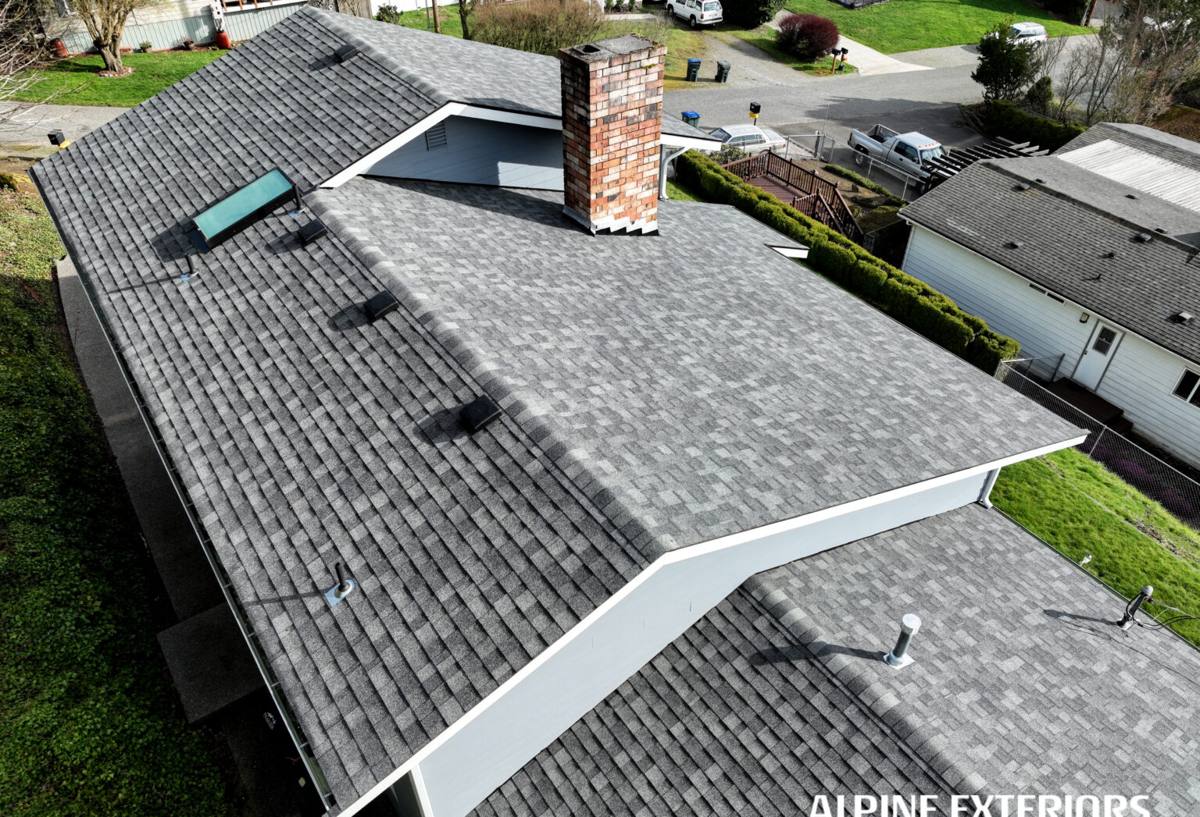
What the Climate Does to a Roof Here
Tampa's climate is hard on every part of a home's exterior, but roofs take the brunt of it. A few things stand out for Town 'n' Country specifically:
- Hurricane-force wind risk: Even when a storm doesn't make direct landfall nearby, wind gusts strong enough to lift improperly fastened panels or shingles are a real annual concern.
- Intense, year-round UV exposure: Florida sun breaks down roofing materials faster than in most of the country, degrading coatings, sealants, and asphalt granules over time.
- Wind-driven rain: It's not just how much rain falls — it's rain being pushed sideways under laps, around penetrations, and into any gap that isn't properly flashed.
- Salt air influence: While Town 'n' Country isn't beachfront, Tampa Bay's proximity still puts a mild salt content in the air that accelerates corrosion on unprotected metal fasteners and trim.
Any one of these is manageable on its own. Together, over years, they expose every shortcut a roofing job might have taken — which is why installation quality matters more here than in milder climates.
Why Metal Roofing Fits This Climate
Metal roofing isn't automatically the right choice for every home or budget, but it has real advantages for a house that has to deal with Hillsborough County's weather year after year.
Wind performance
A properly installed metal roof — correct fastener pattern, correct panel overlap, correct edge and ridge detailing — holds up to high wind uplift better than most shingle systems, largely because the panels interlock or are mechanically fastened as a continuous system rather than relying on adhesive strips alone.
UV and heat behavior
Quality metal roofing with a factory-applied finish resists UV degradation far longer than asphalt, which loses granules and becomes brittle under constant sun. Metal also reflects more solar heat than dark asphalt shingles, which can modestly ease the load on attic temperatures and cooling costs.
Moisture and corrosion resistance
When flashing, fasteners, and underlayment are matched correctly to the panel material, a metal roof sheds wind-driven rain well and resists the slow water intrusion that rots decking on older homes. This is also where an incorrect installation causes the most damage — mismatched metals or poor fastener choice can accelerate corrosion instead of preventing it.
| Factor | Asphalt Shingle | Metal Roofing |
|---|---|---|
| Typical lifespan | 15–20 years in this climate | 40–60+ years with correct install |
| Wind uplift resistance | Good, degrades with age/sealant breakdown | Strong when fastened per manufacturer spec |
| UV/heat resistance | Granule loss, brittleness over time | Finish holds up longer, reflects more heat |
| Salt air corrosion risk | Low (not a metal-corrosion concern) | Low if fasteners/flashing are matched correctly |
| Upfront cost | Lower | Higher |
| Maintenance | Periodic shingle repair | Minimal if installed correctly |
What a Correct Metal Roof Installation Actually Involves
The panels get all the attention, but most metal roof failures we see trace back to what's underneath or around them, not the metal itself.
Deck inspection and repair
Before anything goes on, the existing decking needs to be checked for rot, delamination, or soft spots — especially on older Town 'n' Country homes where decades of Florida humidity may have worked on the plywood or wood plank decking underneath the old roof covering. Installing new roofing over a compromised deck just hides a problem that gets worse.
Underlayment
A high-temperature-rated synthetic or self-adhering underlayment is essential under metal panels here, both for the added water barrier during wind-driven rain and because Florida roof surfaces run hot enough that lower-grade underlayment can degrade prematurely.
Fastening and panel attachment
Fastener type, spacing, and torque all affect wind performance. Exposed-fastener panels and concealed-fastener standing seam systems have different attachment logic, and getting this wrong is one of the most common causes of wind-related panel loss in a storm.
Flashing and penetrations
Valleys, wall transitions, vent pipes, and skylight curbs are where the majority of roof leaks actually originate — not the open field of panels. Correct step flashing, counterflashing, and sealed penetrations are non-negotiable details, not finishing touches.
Ventilation
Metal roofing needs proper ridge and soffit ventilation to prevent heat buildup in the attic and moisture accumulation underneath the deck. Skipping or under-sizing ventilation shortens the life of everything above it.
Panel Types We Discuss With Homeowners
Not every metal roofing system is the same, and the right choice depends on the home's roof pitch, style, and budget.
Standing seam
Concealed fasteners, raised interlocking seams, and a clean architectural look. This is generally the stronger performer for wind and water resistance because there are no exposed fastener heads for sealant to eventually fail around.
Exposed-fastener panels
A more economical option that still performs well when installed with correct fastener spacing and gasketed screws, though the exposed fasteners do require periodic inspection since gaskets can wear out over the decades.
We'll walk through which system makes sense for your roof's specific pitch and design rather than defaulting to one option for every job — the right choice depends on your home, not a one-size answer.
Our Process for Town 'n' Country Roofs
- On-site inspection of the existing roof, decking, and ventilation, with photos and a straightforward explanation of what we find.
- A written scope and estimate that spells out materials, fastening method, flashing details, and ventilation plan — no vague line items.
- Deck repair or replacement where needed, done before any new roofing goes on.
- Underlayment and flashing installed to manufacturer and code specification, with extra attention at valleys, walls, and penetrations.
- Panel installation with correct fastener pattern and spacing for the wind exposure category of your specific property.
- Final walkthrough so you understand what was done and what maintenance, if any, to expect going forward.
Because we already work in this neighborhood, we're familiar with the permitting process through Hillsborough County and with the roof conditions common to homes built in the different eras represented in Town 'n' Country — that local repetition is what lets us spot problems quickly instead of guessing.
Maintenance: What Metal Roofing Actually Needs
One of metal roofing's advantages is how little routine maintenance it requires compared to asphalt — but "little" isn't "none," especially in this climate.
- Walk the roofline visually after major storms for any lifted panels, dented flashing, or displaced ridge caps.
- Keep gutters and valleys clear of leaf and debris buildup, which is common near mature tree canopy in older parts of the neighborhood.
- Check exposed fasteners (if that's your panel type) every couple of years for gasket wear.
- Have sealant at penetrations and transitions inspected periodically — sealant is a maintenance item on any roof type, metal included.
- Address any small leak signs (attic staining, musty smell) right away rather than waiting for a visible roof problem.
What Affects the Cost
| Cost Factor | Why It Matters |
|---|---|
| Panel type (exposed-fastener vs. standing seam) | Standing seam costs more upfront due to material and labor complexity |
| Roof pitch and complexity | Steeper or more cut-up rooflines take more labor and material |
| Deck condition | Rot or delamination found during tear-off adds repair cost |
| Number of penetrations | Each vent, pipe, or skylight needs custom flashing |
| Tear-off vs. overlay | Full tear-off costs more but is usually the honest, correct approach on an older deck |
We give honest, broad estimate ranges after seeing the actual roof — not before, since every one of these factors changes the number.
Why Local Experience Matters for This Job
Metal roofing done wrong doesn't fail gracefully — a missed flashing detail or wrong fastener spec can turn into a leak or wind loss during the next storm season. A crew that already works in Town 'n' Country and the greater Tampa area has seen how local roofs age, which decking issues show up in which eras of construction, and how Hillsborough County inspectors expect the work documented. That familiarity translates into fewer surprises during the job and a roof that's actually built for what it has to withstand here, not a generic installation dropped into a demanding climate.
If you're weighing a metal roof for your Town 'n' Country home, we're happy to take a look and walk you through what your specific roof needs — no pressure, no pushy sales pitch. Fill out the form below for a free estimate.