 Tampa Window
 Asphalt Shingle Roofing Built for Town 'n' Country's Climate
Town 'n' Country sits in the middle of Hillsborough County's toughest weather stretch — close enough to Tampa Bay to catch salt-laden air, exposed enough to take direct hits from summer thunderstorms, and squarely in the path of any hurricane or tropical system that moves through the Gulf. A roof here isn't just covering a house; it's the first line of defense against wind, water, and sun working on it every single day of the year. Asphalt shingle roofing remains the most practical choice for most homes in this neighborhood when it's specified and installed correctly for local conditions — but "correctly" is doing a lot of work in that sentence, and it's where a lot of roofs fall short.
This page covers what an asphalt shingle roof needs to hold up in Town 'n' Country, what a proper installation or repair actually involves, and how we approach the work.
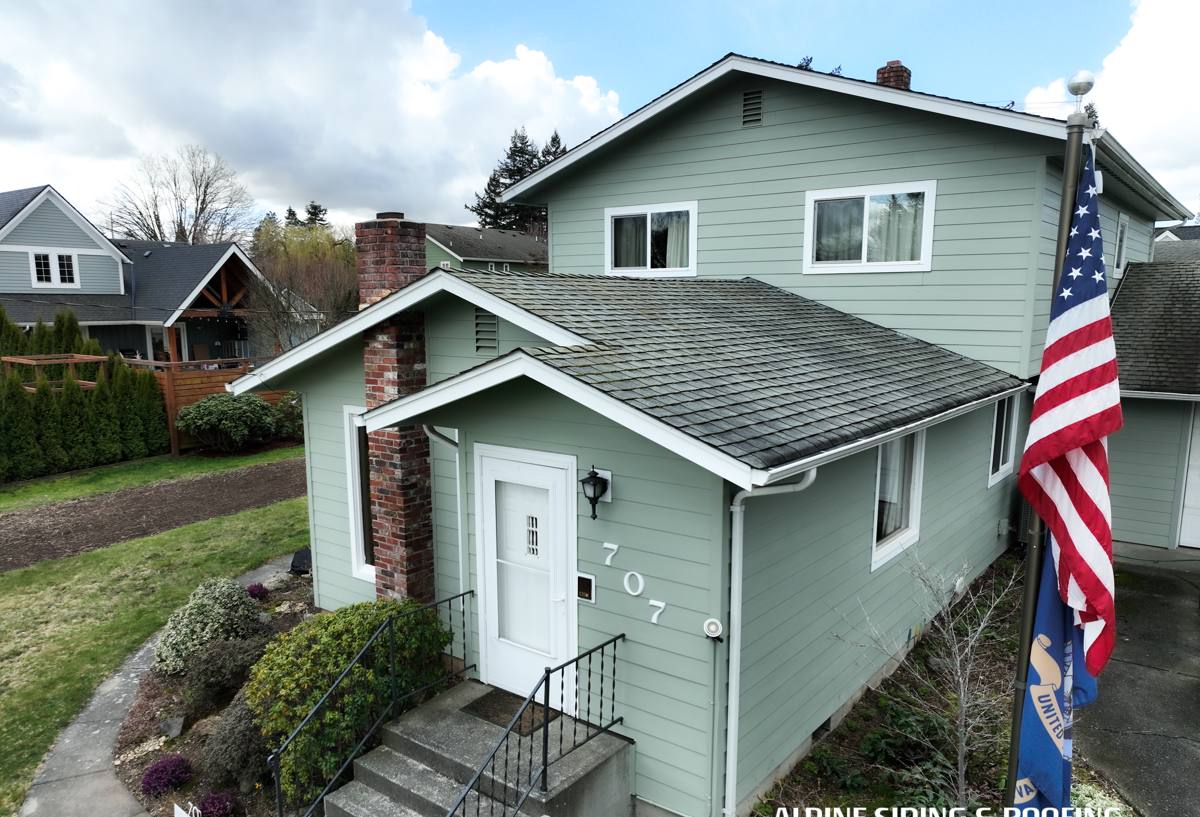
What Local Homes Are Up Against
Four things drive nearly every asphalt shingle failure we see in this part of Hillsborough County:
- Hurricane-force wind: Shingles are rated for wind uplift, but the rating only means something if the nailing pattern, starter strip, and underlayment are installed to match it. Wind gets under a poorly fastened edge or ridge and peels shingles back in strips.
- Intense, year-round UV exposure: Florida sun breaks down asphalt binders faster than in almost any other part of the country. Granule loss, brittleness, and premature aging show up years before they would in a milder climate, especially on south- and west-facing slopes.
- Wind-driven rain: Tampa's storms rarely fall straight down. Rain gets pushed sideways under shingle tabs, around flashing, and into any gap in the underlayment — which is why flashing and underlayment quality matter as much as the shingles themselves.
- Salt air: Proximity to Tampa Bay means metal components — flashing, drip edge, nail heads, roof vents — corrode faster than inland installations. Cheap or mismatched metal is often the first thing to fail on an otherwise sound roof.
None of this means asphalt shingles are the wrong material for this area. It means the installation details have to account for all four factors at once, not just meet the minimum code requirement for wind rating.
Signs a Town 'n' Country Roof Needs Attention
- Granules collecting in gutters or at downspout outlets
- Shingle edges curling, cupping, or lifting at the tabs
- Visible cracking, especially on older roofs or steep, sun-exposed slopes
- Streaking or dark staining (often algae, not structural, but worth identifying)
- Soft spots, sagging, or ceiling stains inside the home after heavy rain
- Missing shingles or exposed nail heads after a storm
- Rusted or lifted flashing around chimneys, vents, or skylights
What a Correct Asphalt Shingle Job Actually Involves
A lot of roofing problems in Florida trace back to shortcuts taken on components most homeowners never see. The shingles get the attention; the underlayment, flashing, and ventilation are where the real performance is decided.
Underlayment
In a market with this much wind-driven rain, underlayment isn't optional insurance — it's a functional second layer of water protection. We install it as a complete, properly lapped system, with self-adhering membrane at vulnerable points like valleys, eaves, and roof-to-wall transitions where wind-blown water is most likely to find a way in.
Flashing
Flashing failures cause a disproportionate share of the leaks we get called out for. Around chimneys, skylights, sidewalls, and roof penetrations, flashing has to be formed and layered correctly with the shingles and underlayment — not just caulked over. Given the salt air in this area, we pay attention to the metal itself, not only the installation.
Fastening and Wind Rating
Nail count, nail placement, and starter strip installation determine whether a shingle roof actually performs at its rated wind speed. This is the detail most likely to be rushed on a fast job, and it's the detail that decides whether shingles stay put in a tropical storm or end up in the yard.
Ventilation
Florida attics run hot. Poor ventilation traps heat and moisture against the underside of the roof deck, which accelerates shingle aging from below and can void manufacturer warranties. Balanced intake and exhaust ventilation is part of a correctly built roof system, not an add-on.
Comparing Shingle Options for This Area
| Shingle Type | Typical Lifespan Here | Wind Performance | Cost Position |
|---|---|---|---|
| 3-Tab | Shorter — sun and wind accelerate wear | Lower wind ratings, more exposed edges | Lowest upfront cost |
| Architectural (Laminate) | Longer, better UV resistance | Higher wind ratings when properly fastened | Mid-range, best overall value |
| Impact-Rated Architectural | Longer, built for storm exposure | Highest available rating for asphalt shingles | Higher upfront cost, may reduce insurance premiums |
For most Town 'n' Country homes, architectural shingles strike the right balance of durability and cost. Impact-rated shingles are worth discussing if your home is particularly exposed, if you're due for a full replacement anyway, or if your insurer offers a meaningful premium credit for them — we'll give you a straight answer on whether that trade-off makes sense for your specific roof rather than upselling it by default.
Repair, Recover, or Full Replacement?
Not every roofing problem in this neighborhood requires a full tear-off. We evaluate each roof on its own condition rather than defaulting to the most expensive option.
- Repair makes sense for isolated storm damage, a failed flashing point, or a small number of damaged shingles on an otherwise sound roof.
- Recover (in limited cases) — installing new shingles over existing ones — is sometimes an option on roofs with a single existing layer and a sound deck, though it's less common as a recommendation because it can mask deck problems and shorten the life of the new shingles.
- Full replacement is the right call when the underlayment has reached the end of its service life, when there's been repeated storm damage, or when the roof is old enough that repairs are just delaying the inevitable at a similar cost.
We'll tell you honestly which category your roof falls into, including when a repair is genuinely the better financial decision.
How Our Process Works
1. Inspection
We start with a full roof inspection, not just a look at the spot you're worried about — checking shingles, flashing, ventilation, and, where accessible, signs of moisture at the deck level.
2. Straight Assessment
You get a clear explanation of what we found, what's causing it, and what your realistic options are, including cost ranges and what each option does and doesn't fix.
3. Correct Installation
If you move forward, we install to match the manufacturer's specifications and the wind requirements for this area — proper underlayment, correctly formed flashing, full nailing pattern, and ventilation that works with the rest of the roof system.
4. Cleanup and Walkthrough
We clear the site of debris and nails and walk the finished work with you so you know exactly what was done.
Why Local Experience in Town 'n' Country Matters
A roofing crew that regularly works this part of Hillsborough County already knows how Town 'n' Country homes are built, what the local permitting process requires, and how the neighborhood's specific exposure to wind and salt air tends to show up in shingle roofs over time. That familiarity shortens the inspection-to-answer process and reduces the chance of a detail — a flashing type, a ventilation gap — getting missed because it wasn't obvious to someone unfamiliar with the area's housing stock.
It also means we're accountable locally. We're not a crew that flew in after a storm and will be gone next season — we're working in the same county, subject to the same weather, and expect to be the ones you call if anything needs attention down the road.
What to Ask Before Hiring Anyone for Roofing Work
- Are you licensed and insured to do roofing work in Hillsborough County?
- Will you pull the required permit for this job?
- What underlayment and flashing materials do you use, specifically?
- What's your nailing pattern, and does it match the shingle manufacturer's wind rating requirements?
- What does your workmanship warranty cover, and for how long?
- Will you provide a written, itemized estimate before work begins?
A roof is one of the most expensive systems on your home and one of the hardest for a homeowner to inspect after the fact. Getting straight answers to these questions up front is worth the few extra minutes it takes.
If your Town 'n' Country roof is showing its age, took storm damage, or you just want an honest read on where it stands, we're happy to take a look. Fill out the form below for a free, no-pressure estimate.