 Tampa Window
 New-Construction Windows in Temple Terrace: What Makes This Job Different
"New-construction" windows aren't the same product or process as a retrofit replacement. In a retrofit, we work inside an existing frame that's already sealed into the wall. In new construction — a new build, an addition, or a gut renovation down to the studs — the window goes into a bare rough opening, and the installer is responsible for the entire water-management system around it: the flashing, the weather-resistive barrier integration, the fastening schedule, and the sealant joints that keep Tampa's rain out for the next 20-plus years. Get that sequence wrong, and no window product on the market will save you from a leak.
For homeowners and builders in Temple Terrace, this matters more than it might in a drier climate. Hillsborough County sees heavy, wind-driven rain events for a good part of the year, plus intense UV exposure that ages sealants and finishes faster than in most of the country. New-construction windows here have to be installed correctly the first time, because the wall assembly gets closed up behind them.
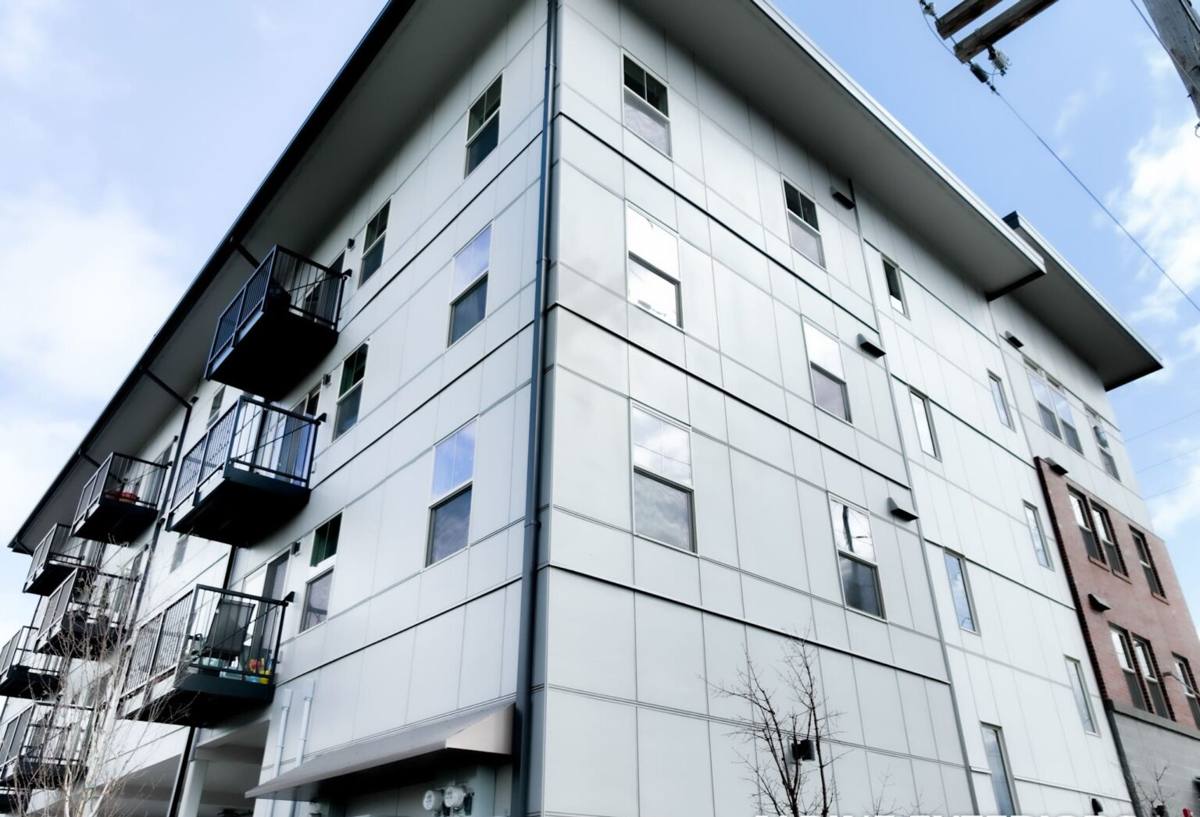
What Temple Terrace's Climate Demands From a New Window Opening
Temple Terrace sits inland from Tampa Bay along the Hillsborough River, which means it isn't dealing with direct beachfront salt spray the way a barrier-island home would. But it's still squarely inside the Tampa Bay weather pattern: hurricane-season wind events, near-daily summer thunderstorms that drive rain sideways into wall openings, and year-round UV that's some of the harshest in the continental U.S. Humid bay-area air also carries a mild salt and moisture load that, over years, accelerates corrosion on cheap fasteners and hardware.
Practically, that means:
- Wind pressure ratings on the window need to match what current Florida Building Code requires for your specific lot and structure — not just "whatever was in stock."
- Flashing and sealant have to handle repeated wetting, not just an occasional storm — Tampa's rainy season is long.
- UV-stable frame materials and finishes matter, because cheap vinyl and low-grade coatings will chalk, warp, or discolor well before a well-specified product does.
- Corrosion-resistant fasteners and hardware earn their keep over a decade-plus lifespan in humid, coastal-influenced air.
Code and Structural Requirements a Correct Install Has to Meet
New-construction window openings in Hillsborough County are inspected against the current Florida Building Code, and that code is unforgiving about a few specific things: wind load rating for the window unit itself, proper anchoring into structural framing (not just into stucco or sheathing), and — where applicable to your lot and structure type — wind-borne debris protection. Egress requirements also apply to bedroom windows, meaning minimum opening size and sill height aren't optional design choices; they're pass/fail inspection items.
We pull the current code requirements for your specific address and structure before we ever order a window, rather than assuming last year's spec still applies. Code updates happen, and an inspector will flag an outdated assumption at the worst possible time — after the window is already installed and the wall is closed up.
Why This Trips Up Out-of-Town Installers
Crews who don't work Hillsborough County regularly sometimes assume Florida code is uniform statewide. It isn't. Wind zone requirements, inspection checkpoints, and permitting steps vary by jurisdiction, and a crew unfamiliar with the local building department can burn weeks on a failed inspection and a re-permit — time a builder on a construction schedule can't usually absorb.
Our New-Construction Installation Process
Every new-construction install we do follows the same sequence, whether it's one window in an addition or a full house of openings on a new build:
- Rough opening verification — we confirm every opening matches the window schedule and manufacturer's specified tolerances before the unit ever arrives on site. Undersized or out-of-square openings get flagged and corrected before install day, not discovered during it.
- Weather-resistive barrier integration — the WRB (house wrap or equivalent) gets cut and lapped in the correct shingle-style sequence so water sheds outward at every layer, not into the wall cavity.
- Flashing — sill pan flashing goes in first, then jamb flashing, then head flashing, each one lapping over the layer below it. This order is the single most common thing done wrong on rushed jobs, and it's the difference between a wall that sheds water and one that traps it.
- Setting and shimming — the unit is set plumb, level, and square, shimmed at the manufacturer's specified points so the frame doesn't rack or bind over time.
- Fastening — nailing fin or mounting flange fastened per the manufacturer's schedule and the wind load rating required for your structure, using corrosion-resistant fasteners.
- Sealant and backer rod — a proper joint, not a bead of caulk smeared over a gap. Sealant is a backup to good flashing, not a substitute for it.
- Interior and exterior trim — finished out to match the build's design, with attention to keeping trim details from trapping water against the frame.
Choosing a Frame Material for Tampa Bay Conditions
Frame material affects how a window ages under Tampa's sun and rain, not just how it looks on day one. Here's how the common options stack up for a new-construction install in this climate:
| Frame Material | UV / Heat Performance | Maintenance | Typical Cost |
|---|---|---|---|
| Vinyl | Good with quality UV-stabilized compound; lower-grade vinyl can warp or discolor | Low — no painting, occasional cleaning | Lower to mid |
| Aluminum | Handles heat well structurally; needs a quality finish to resist coastal-air corrosion | Low to moderate | Mid |
| Fiberglass | Excellent dimensional stability under heat and UV cycling | Low | Higher |
| Wood-clad | Good if properly clad and detailed, but sensitive to moisture intrusion at joints | Higher — more inspection-sensitive over time | Higher |
We don't push one material as the only right answer, because the right choice depends on your budget, the home's design, and how much long-term maintenance you want to take on. What we won't do is install a lower-grade product into a high-exposure opening and call it equivalent to a properly rated one — that's a warranty and moisture-management problem waiting to happen, not a cost savings.
Energy Performance for Florida's Climate Zone
Temple Terrace sits in a hot, humid climate zone where controlling solar heat gain matters more than retaining heat. When we spec new-construction windows here, we're primarily looking at:
- Low SHGC (Solar Heat Gain Coefficient) glass to cut down on cooling load from direct sun.
- U-factor appropriate for a hot-humid climate, which still matters for keeping interior surface temperatures comfortable near the glass.
- Low-E coatings that block heat-carrying wavelengths without noticeably darkening the glass.
A well-specified window package can measurably reduce the strain on a home's AC system during Tampa's long cooling season — a meaningful factor for a new build where you're setting the home's energy performance for decades, not patching an old one.
Coordinating With Your Builder or General Contractor
New-construction window work happens on someone else's schedule — the framing crew, the stucco or siding crew, and the inspector all have to sequence around us. We work directly with builders and GCs on:
- Confirming the window schedule against approved plans before ordering, so there are no surprises on lead time.
- Timing the install between dry-in and exterior finish work, so flashing and WRB integration happen in the right order.
- Being present for the rough-in and final inspections that cover window openings.
- Flagging any rough opening discrepancies early enough that framing can correct them without delaying the schedule.
A Homeowner's Pre-Install Checklist
If you're managing your own new build or addition in Temple Terrace, these are the things worth confirming before window install day:
- Window schedule matches the final approved plans, including egress sizing for bedrooms
- Wind load rating specified for each opening matches current Florida Building Code for your lot
- Rough openings have been checked for square and correct dimension before windows are ordered
- WRB (house wrap) is on site and ready before install day, not an afterthought
- Flashing materials are compatible with both the WRB and the window manufacturer's installation instructions
- Installer can show you their flashing sequence before they start, not just describe it verbally
Why Local Experience in Temple Terrace Matters
A crew that regularly works Hillsborough County jobs already knows the local building department's inspection habits, the current code cycle, and how Temple Terrace's tree-lined, established neighborhoods and newer infill builds each present their own access and staging challenges. That familiarity shows up in fewer failed inspections, fewer change orders, and a schedule that actually holds. It also means we're accountable locally — if a question comes up on your project six months after the walkthrough, we're not a crew that's moved three counties away.
If you're planning new-construction windows for a build or addition in Temple Terrace, we're happy to walk the plans with you and give you a straightforward, no-pressure estimate — just fill out the form below.