 Tampa Window
 Storm Damage Roof Repair for Ybor City Homes
Ybor City sits close enough to Tampa Bay that its roofs take on every kind of storm stress Hillsborough County can throw at a structure: tropical-system wind gusts, wind-driven rain that finds its way sideways under shingles and flashing, and the kind of sudden, violent thunderstorm cells that roll through on a summer afternoon and dump an inch of rain in twenty minutes. Add in the neighborhood's mix of century-old brick buildings, converted historic cottages, and newer infill construction, and you end up with a lot of different roof types that all need the same thing after a storm: an honest, thorough inspection and a repair that actually addresses the damage instead of just patching what's visible from the ground.
This page covers what storm damage repair looks like specifically for Ybor City properties — what to look for, what a correct repair involves, and why working with a crew that already knows this part of Tampa saves homeowners time, money, and headaches.
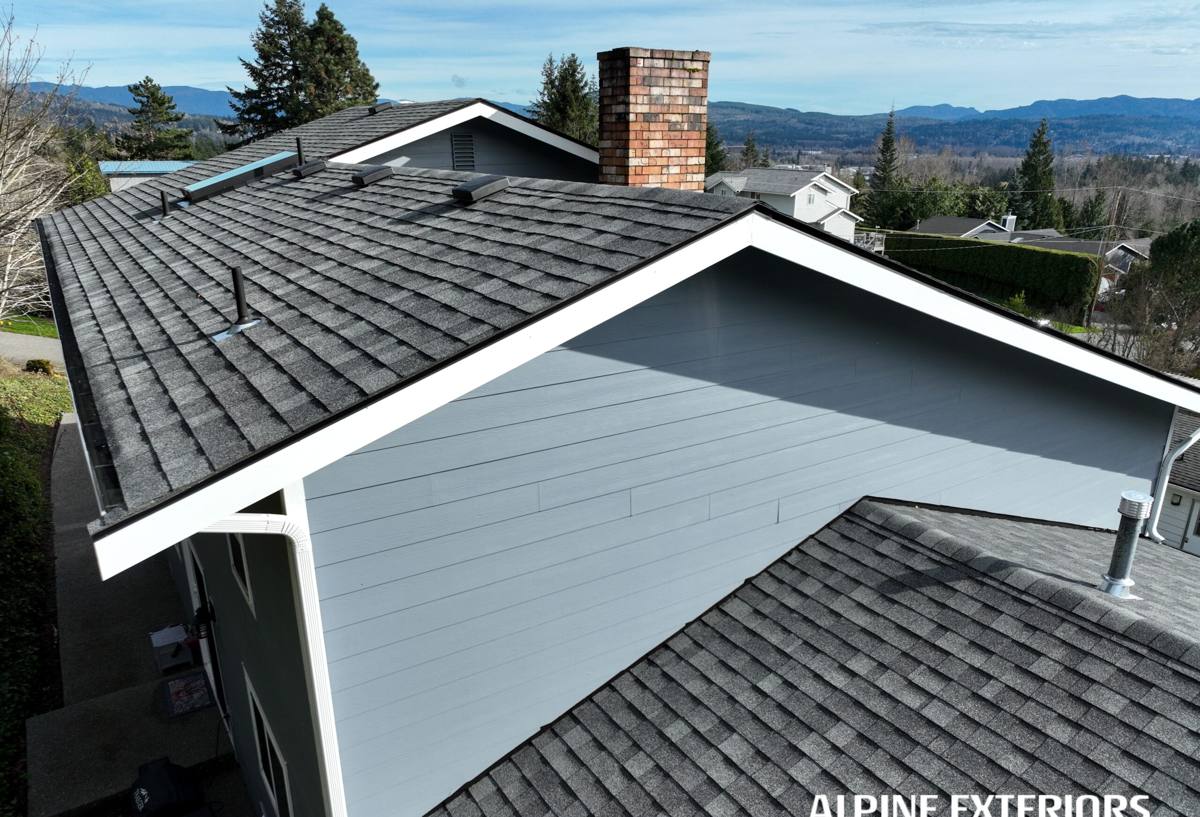
Why Ybor City Roofs Take Extra Punishment
A few things about this area's climate and building stock make storm damage more common — and more likely to go unnoticed until it's a bigger problem:
- Hurricane-force wind exposure. Even storms that don't make direct landfall on Tampa can send sustained high winds and gusts through the area, working loose shingles, ridge caps, and flashing over repeated events rather than just one.
- Wind-driven rain. Florida rain rarely falls straight down during a storm. When it's pushed sideways by wind, it finds gaps in flashing, nail pops, and lifted shingle edges that would never leak in a calm rain.
- Intense, year-round UV. Tampa's sun exposure ages roofing material faster than in most of the country, making shingles and sealants more brittle and more prone to cracking under storm stress.
- Salt air. Proximity to Tampa Bay means metal fasteners, flashing, and vent components corrode faster than they would further inland, which weakens the roof's ability to hold up under wind load.
- Older building stock. Ybor City has a genuine mix of historic and older residential roofs where decking, ventilation, and flashing details may already be marginal before a storm ever hits.
None of these factors cause damage on their own — but together, they mean storm damage here tends to be more widespread and more likely to include hidden issues than in a newer, less exposed part of the county.
What Actually Counts as Storm Damage
Visible signs
These are the things a homeowner can usually spot without getting on a ladder:
- Missing, cracked, curled, or torn shingles
- Granules collecting in gutters or at downspout outlets
- Dented or creased metal roofing or flashing
- Bent, missing, or lifted ridge caps
- Debris — branches, shingles from neighboring roofs, storm trash — lodged on the roof
- Sagging sections or visible gaps where flashing has pulled away from a wall or chimney
Hidden signs
These matter just as much, and they're the reason a proper roof inspection after a storm is worth doing even when the roof "looks fine" from the driveway:
- Water stains or discoloration on interior ceilings, especially near exterior walls
- Soft or spongy spots in the decking, found by walking the roof, not by looking at it
- Loosened nails that haven't backed out yet but no longer hold properly
- Compromised underlayment beneath shingles that still appear intact
- Moisture intrusion in the attic that hasn't yet worked its way through to a visible ceiling stain
A roof can pass a quick visual check and still be leaking into the decking. That gap between "looks okay" and "is okay" is where most of the expensive damage happens, because it keeps getting rained on before anyone notices.
What a Correct Repair Actually Involves
A storm repair done right isn't just replacing whatever shingles are obviously missing. It should include:
- A full roof-surface inspection — not just the area that looks damaged, since wind damage is often patchy and spreads beyond the most visible spot.
- An attic and interior check for moisture intrusion, staining, or soft decking that wouldn't show from outside.
- Flashing and penetration review around chimneys, vents, skylights, and wall intersections — these are the most common leak points after wind events, more often than the field of the roof itself.
- Decking assessment wherever shingles are removed, to confirm the plywood or board sheathing underneath is still sound before new material goes down over it.
- Matching materials as closely as possible to the existing roof, so a repair doesn't leave an obvious patch or create a weak seam where old and new material meet.
- Proper fastening and sealing specifically rated for the wind exposure this area sees, not just whatever is fastest to install.
Skipping any of these steps is how a "repaired" roof ends up leaking again in the next storm — and how a homeowner ends up paying for the same repair twice.
Repair vs. Replace: How We Help You Decide
Not every storm-damaged roof needs a full replacement, and not every repair is enough to actually solve the problem. The right call depends on a handful of factors:
| Factor | Leans toward repair | Leans toward replacement |
|---|---|---|
| Age of existing roof | Under roughly 10-12 years | Near or past expected lifespan for the material |
| Extent of damage | Isolated to one section or slope | Widespread across multiple slopes |
| Decking condition | Solid, dry sheathing underneath | Soft, delaminated, or repeatedly wet decking |
| Number of prior repairs | First or second repair on this roof | Roof has a history of repeated patch jobs |
| Material availability | Matching shingles or panels still available | Discontinued material that won't match |
We walk homeowners through this honestly rather than defaulting to whichever option costs more. A lot of storm damage in Ybor City is genuinely repairable, and there's no reason to push a full replacement when a targeted fix will hold up.
Our Process, Start to Finish
When you call us out for storm damage in Ybor City, here's what to expect:
- Initial inspection. We look at the whole roof, not just the spot you noticed, and check the attic and interior for signs of moisture we can't see from the ground.
- Emergency tarping if needed. If there's active leaking or exposed decking, we get it covered to stop further water intrusion before the full repair is scheduled.
- Written scope and estimate. You get a clear breakdown of what's damaged, what needs to be done, and what it will cost — no vague line items.
- Insurance documentation. If you're filing a claim, we document the damage with the level of detail adjusters actually need, which helps avoid disputes over scope.
- The repair itself. Matched materials, proper flashing work, and fastening appropriate for this area's wind exposure.
- Final walkthrough. We show you what was done and where, so you're not just taking our word for it.
Working With Insurance on a Storm Claim
Most storm damage repairs in this part of Florida involve an insurance claim, and the documentation matters as much as the repair itself. Adjusters need clear evidence of the damage, its likely cause, and its extent — vague photos or a rushed inspection can lead to a claim being underpaid or denied outright. We document damage thoroughly at the time of inspection, which gives homeowners a stronger position when working with their insurer. We're not a public adjuster and we don't negotiate your policy for you, but we make sure the physical evidence supporting your claim is solid.
Why a Local Ybor City Crew Makes a Difference
Storm damage repair isn't a job you want handed to whoever happens to be closest with a truck after a big weather event. A crew that regularly works in Ybor City and the surrounding Tampa neighborhoods brings a few real advantages:
- Familiarity with the housing stock — older bungalows, historic-district properties, and mixed construction types each have their own quirks when it comes to decking, ventilation, and flashing details.
- Faster response after regional storms — being local means we're not driving in from across the bay area while your roof sits exposed.
- Accountability — a crew with an ongoing presence in the neighborhood has a reputation to protect, which matters more than a one-time storm-chasing outfit that leaves town once the work dries up.
- Knowledge of what actually fails here — we've seen which flashing details, fastening patterns, and material choices hold up against this area's wind and salt air, and which ones don't.
After a major storm, Tampa and Hillsborough County often see an influx of out-of-town contractors going door to door. Some are legitimate; many are not licensed or insured to work in Florida and won't be around if a repair fails a year later. Checking for a current Florida contractor license, valid insurance, and local references is worth the extra few minutes before signing anything.
What to Do Right After a Storm: A Homeowner Checklist
- Photograph any visible damage from the ground — don't get on the roof yourself
- Check the attic and ceilings for new water stains or damp spots
- Note the date and general timing of the storm event for insurance purposes
- Cover any active leaks temporarily with a tarp if it's safe to do so, or call for emergency tarping
- Avoid signing a contract or handing over a deposit to anyone who shows up unsolicited before you've verified their license and insurance
- Get a full professional inspection before assuming the damage is only cosmetic
- Keep copies of all photos, estimates, and correspondence for your insurance file
If your Ybor City roof has been through a recent storm — or you're just not sure whether that missing shingle is a minor cosmetic issue or the start of a bigger problem — we're happy to take a look. Reach out for a free, no-pressure estimate using the form below.