 Tampa Window
 Storm Damage Roof Repair Built for Riverview Homes
Riverview sits inland from Tampa Bay but still takes a beating every storm season. Between tropical systems rolling off the Gulf, fast-moving summer thunderstorms, and the occasional hurricane brushing through Hillsborough County, roofs here get tested constantly. A roof that looks fine from the driveway can be hiding cracked shingles, lifted flashing, or a slow leak that's been working its way into the decking for weeks. We repair storm-damaged roofs for homeowners throughout Riverview, and we do it with an eye toward what actually happens to roofing materials in this climate — not a generic patch job.
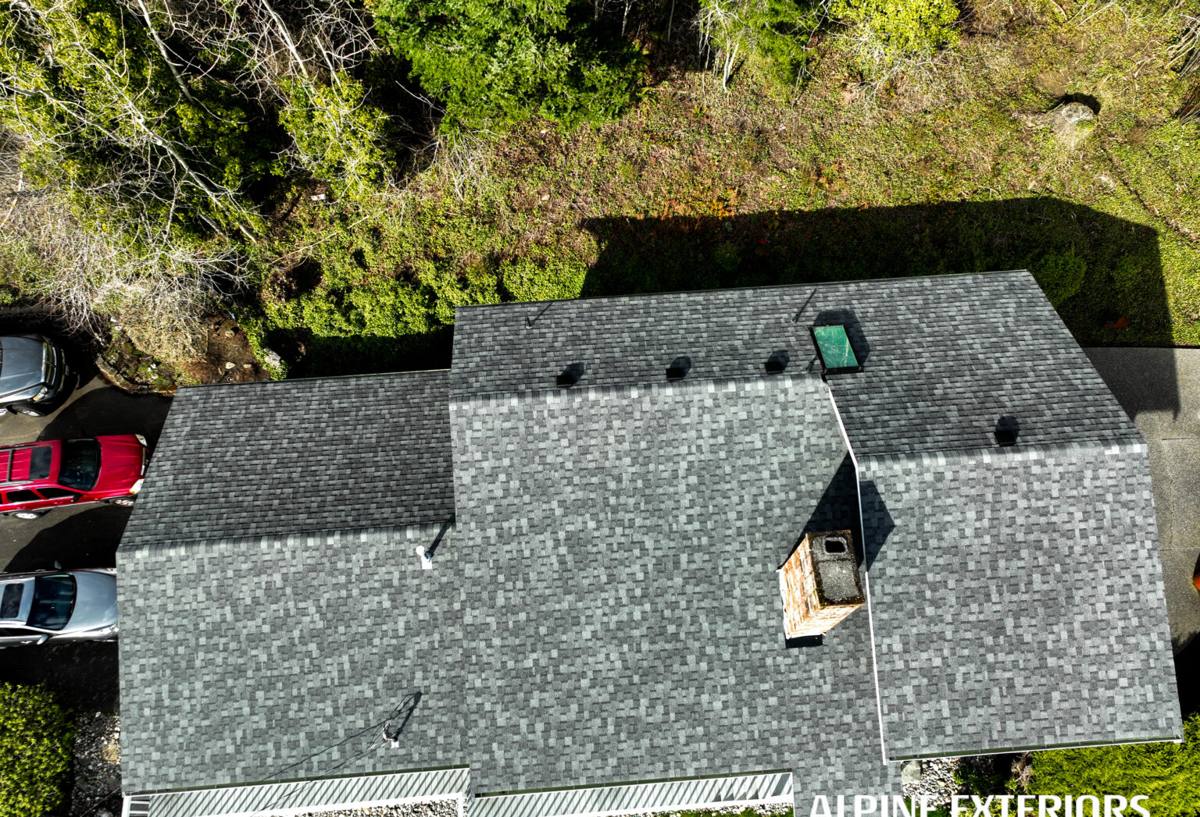
What Florida Storms Actually Do to a Roof
It helps to understand the specific ways storms damage a roof here, because it changes how a repair should be done.
Wind Uplift and Lifted Shingles
Hurricane-force and tropical-storm-force gusts get underneath the edges of shingles or tiles and pry them up. Sometimes they tear off completely and you'll spot bare decking. More often, they just get loosened — the seal strip breaks, the shingle sits slightly proud, and it flaps in every wind event after that until it eventually cracks or blows off. Loosened shingles that aren't re-sealed or replaced are the most common cause of repeat storm damage on the same roof.
Wind-Driven Rain
In a straight-down rain, a roof only has to shed water downhill. In a wind-driven storm, rain gets pushed sideways and even slightly upward under the shingle edge, at flashing joints, and around any roof penetration — vent stacks, chimneys, skylights. That's why storm leaks often show up around penetrations and valleys rather than in the middle of a roof field.
Debris and Impact Damage
Riverview's mature tree canopy is part of what makes the area appealing, but it also means branches and even whole limbs coming down on roofs during storms. Impact damage can crack shingles, dent metal roofing, or fracture tiles without necessarily creating an obvious hole — the damage shows up later as a leak.
UV and Heat Fatigue Between Storms
Tampa's intense, near year-round sun bakes roofing materials between storm events. Asphalt shingles lose their oils and get brittle, sealant strips harden and crack, and flashing sealants dry out faster here than in cooler climates. A roof that's already UV-fatigued is far more vulnerable to wind and impact damage than a newer one — which is why two roofs of the same age can come through the same storm very differently.
Salt Air
Riverview isn't right on the water, but Tampa Bay's salt air still reaches inland neighborhoods and accelerates corrosion on exposed metal — flashing, fasteners, vent caps, and drip edge. Corroded metal components fail at their joints during storms even when the surrounding roofing material is intact.
Signs You May Have Storm Damage
- Missing, cracked, curled, or lifted shingles anywhere on the roof
- Granules collecting in gutters or at the base of downspouts after a storm
- Water stains or discoloration on ceilings or in the attic
- Visible dents or creases in metal roofing or flashing
- Soft or spongy spots when walking the roof (a sign of wet decking)
- Flashing pulled away from chimneys, walls, or skylights
- Daylight visible through the roof deck from inside the attic
- A sudden increase in indoor humidity or a musty smell in upper rooms
Not every one of these means a full roof replacement. Many storm-related issues are legitimate, contained repairs — but they need to be found and fixed correctly, not just patched over.
What a Correct Storm Repair Actually Involves
A storm repair done right isn't just replacing the shingles you can see are missing. It starts with a full inspection of the roof field, flashing, penetrations, and — when accessible — the attic and decking underneath, because storm damage is rarely limited to the spot that's leaking.
Our Process
- Inspection. We walk the roof and check the attic where accessible, looking at shingles, flashing, valleys, penetrations, and decking condition — not just the area that's obviously damaged.
- Documentation. We photograph and note findings so you have a clear record of the damage, which matters if you're filing an insurance claim.
- Honest scope. We tell you what's storm damage versus what's pre-existing wear, and what actually needs repair versus what can wait. We don't pad a repair into a replacement, and we don't hide a repair job that should be a replacement.
- Repair. We replace damaged shingles or tiles, re-secure lifted material, replace or reseal compromised flashing, and address any exposed or wet decking before it's covered back up.
- Follow-up check. Once the repair is complete, we confirm the fix by checking for proper seal, drainage, and flashing integration — not just that the visible hole is covered.
Common Storm Repair Costs by Scope
| Repair Scope | Typical Situation | General Cost Range |
|---|---|---|
| Spot shingle/flashing repair | Small area of lifted or missing shingles, one flashing point | Lower end — a few hundred dollars |
| Multi-area repair | Several sections affected, minor decking exposure | Mid-range |
| Decking replacement + repair | Water intrusion has damaged plywood decking | Higher — depends on square footage affected |
| Full section or full roof replacement | Damage is widespread or the underlying roof was already at end of life | Highest — quoted after full inspection |
These are general ranges, not quotes — actual cost depends on roofing material, roof pitch and access, how much decking is affected, and what the inspection finds. We'll give you real numbers after we've actually looked at your roof.
Insurance Claims and Storm Damage
If your damage came from a named storm or a documented wind/hail event, homeowners insurance often covers repair, sometimes minus a hurricane deductible. A few things matter here:
- Document damage as soon as it's safe to do so — photos help, but a professional inspection report carries more weight with adjusters.
- Don't wait too long — most policies have claim filing windows, and continued exposure can turn a covered repair into an uncovered "maintenance" issue.
- Get repairs from a contractor who will document findings clearly, not one who inflates the scope to chase a bigger payout — that approach can jeopardize the claim and your relationship with your insurer.
We're happy to provide documentation you can submit with a claim. We don't handle the claim itself — that's between you and your insurer — but we'll make sure the paperwork reflects what's actually there.
Why Local Storm Repair Experience in Riverview Matters
Roof storm repair isn't one-size-fits-all across Florida. A crew that regularly works in Riverview and the surrounding Tampa area already knows the roofing profiles common to the neighborhood's housing stock, how the tree cover affects debris risk, and which parts of a roof tend to take the worst of wind-driven rain in this specific area's storm patterns. That local pattern recognition speeds up inspections and helps catch damage that an out-of-town or one-time crew might miss. It also means we're reachable for a follow-up check after the next storm — not a name you found once and can't get back on the phone.
Preventing the Next Round of Damage
Once a storm repair is done, a few maintenance habits reduce your risk next time:
- Have your roof inspected before hurricane season each year, not just after damage occurs
- Trim back tree limbs that overhang or are close to the roofline
- Keep gutters clear so wind-driven rain has somewhere to drain instead of backing up under shingles
- Address small issues — a lifted shingle, a small flashing gap — promptly rather than waiting for the next storm to make it worse
- Replace aging sealant and flashing before it fully dries out and cracks from UV exposure
When to Repair vs. When to Replace
Not every storm-damaged roof needs a full replacement, and not every roof is worth repairing indefinitely. As a general guide: if the damage is localized and the roof is otherwise in good structural condition with useful life left, repair makes sense. If the roof was already near the end of its expected lifespan, has widespread UV fatigue, or the storm exposed decking damage in multiple areas, a repair may only be a short-term fix before the next storm causes the same problem again. We'll tell you honestly which category your roof falls into rather than defaulting to whichever option is more profitable for us.
If your Riverview home took a hit from wind, rain, or falling debris in a recent storm, we're glad to come take a look. We offer free, no-pressure estimates and honest assessments — use the form below to get started.