 Tampa Window
 Siding Installation in Wesley Chapel
Wesley Chapel has grown fast, and a lot of that growth shows in the siding on newer homes — builder-grade vinyl and engineered wood products that were never really built for what Tampa Bay throws at a house year after year. When that siding starts to warp, buckle, or take on moisture damage, homeowners are often surprised at how early it happens. A correct siding installation in this climate isn't just about appearance. It's about choosing a material and installation method that can actually hold up to Pasco County's heat, humidity, and storm exposure for decades, not years.
We install siding in Wesley Chapel and the surrounding Tampa Bay communities regularly, and the patterns repeat: builder-grade materials installed to minimum code, gaps and flashing details that were rushed, and siding that looked fine at closeout but started failing within five to ten years. This page covers what siding installation actually requires here, what a correct job looks like, and how our process is built around the realities of this specific area.
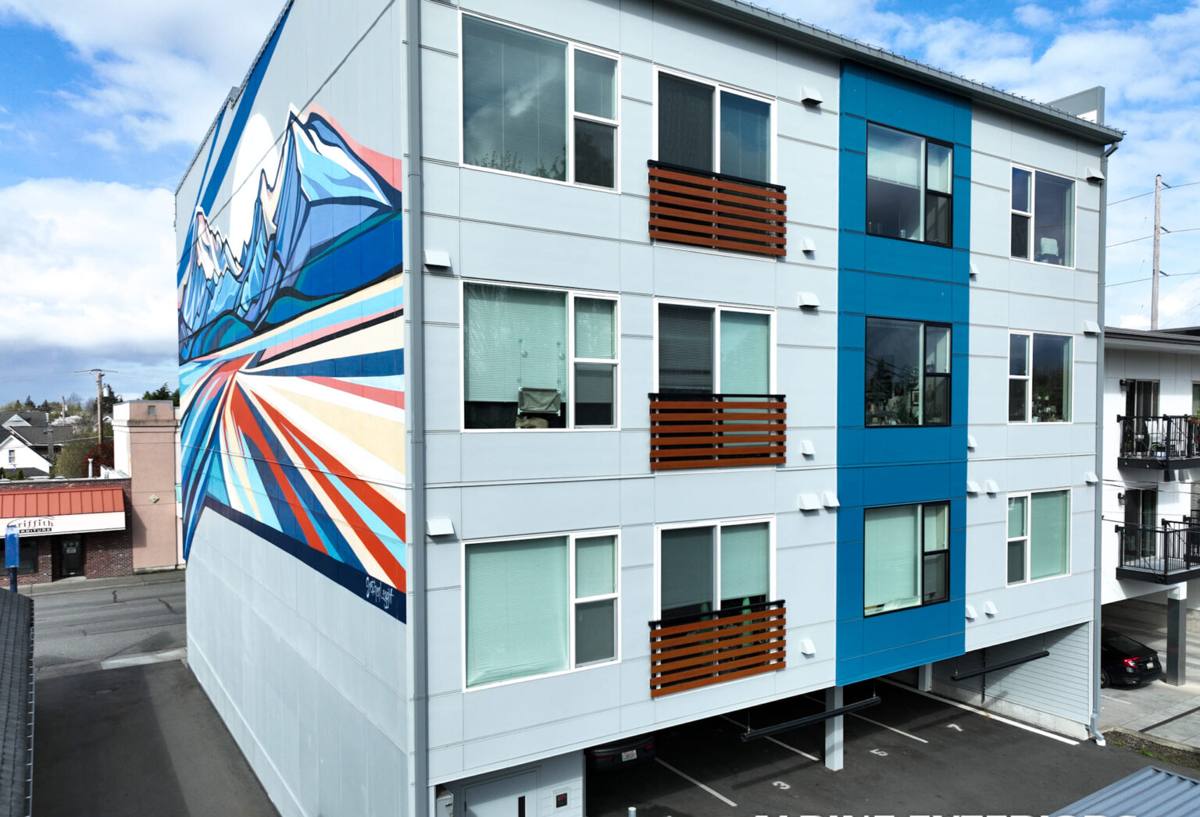
What Wesley Chapel's Climate Demands From Siding
Wesley Chapel sits inland from the Gulf, which spares it some of the direct salt exposure that coastal Tampa neighborhoods deal with, but it still sits squarely in a hurricane-prone region with intense year-round sun and heavy, wind-driven rain. Siding here has to handle several stresses at once, not just one:
- Hurricane-force wind: Siding needs to stay fastened and intact under sustained high winds and wind-borne debris, not just resist a light storm.
- Intense, year-round UV exposure: Florida sun fades and degrades siding finishes faster than in most of the country, especially on south- and west-facing walls.
- Wind-driven rain: Storms here don't just fall straight down — rain gets pushed sideways into seams, laps, and penetrations, which is where most real-world water intrusion starts.
- Heat and humidity cycling: Daily swings between scorching afternoon heat and humid, wet air stress any material that expands, contracts, or absorbs moisture.
None of these stresses are unique to Wesley Chapel, but together they make this one of the more demanding climates in the country for exterior materials. A siding product and installation method that performs fine in a milder region can fail here well before its expected lifespan.
Why We Install Only James Hardie Fiber Cement
We don't install vinyl siding, LP SmartSide, Cemplank, Allura, or primed wood products like spruce or cedar. That's a deliberate standard, not a limitation of what we're capable of installing. Each of those products has legitimate strengths, but each also carries a trade-off that we've decided isn't worth putting on a Wesley Chapel home:
- Vinyl siding is affordable and low-maintenance, but it's a petroleum-based plastic that softens, warps, or melts under sustained heat and can crack or blow off in high wind — a real concern in a hurricane zone.
- LP SmartSide and other engineered wood products perform well when kept dry, but they're wood at the core, which means they're more sensitive to moisture intrusion, cut-edge sealing, and long-term rot risk than fiber cement.
- Primed spruce or cedar looks great initially but demands frequent repainting and sealing to survive Florida humidity, and that maintenance burden falls entirely on the homeowner.
- Other fiber cement brands like Cemplank and Allura are legitimate fiber cement products, but we've standardized on James Hardie specifically for its HZ climate-engineered formulations, factory-baked ColorPlus finish, and the depth of its transferable warranty.
James Hardie is non-combustible, doesn't rot, resists pests, and is engineered in specific product lines for humid, high-UV, storm-prone climates like ours. When it's installed correctly — and installation quality matters as much as the product itself — it's the closest thing to a "set it and forget it" siding system available for a home in this region.
Product Comparison at a Glance
| Material | Moisture Behavior | Wind/Storm Resistance | Maintenance |
|---|---|---|---|
| James Hardie fiber cement | Does not rot; engineered for humid climates | Rated for high-wind installation when installed to spec | Repaint only if desired; ColorPlus finish holds color for years |
| Vinyl | Doesn't absorb water, but can warp/distort with heat | Can crack or detach in sustained high wind | Low, but can't be repainted easily if faded |
| LP SmartSide / engineered wood | Wood-based; vulnerable at cut edges and seams if sealing fails | Good when properly installed and maintained | Requires ongoing sealing and inspection of joints |
| Primed wood (spruce/cedar) | Natural wood; absorbs moisture without diligent upkeep | Adequate, but performance tied closely to maintenance | Highest — regular repainting and sealing required |
What a Correct Siding Installation Actually Involves
The material is only part of the equation. Most siding failures we get called out to inspect aren't a product problem — they're an installation problem. A correct James Hardie installation in a climate like Wesley Chapel's includes:
Substrate and Moisture Barrier
Before a single board goes up, the wall sheathing needs to be sound and dry, and a proper weather-resistive barrier has to be installed with correctly lapped and taped seams. This layer is what actually keeps wind-driven rain from reaching the framing if it gets past the siding itself.
Flashing at Every Penetration
Windows, doors, hose bibs, light fixtures, and vents all need proper flashing details. This is where the majority of real-world water intrusion happens — not through the face of the siding, but around the things that puncture it.
Fastening and Clearances
James Hardie specifies exact fastener types, spacing, and clearances above rooflines, decks, and grade. Skipping these specs is common on rushed jobs and is a major reason siding fails to perform in high wind or traps moisture at the bottom edge.
Joints, Caulking, and Expansion Gaps
Fiber cement needs proper gapping at joints to handle thermal movement, and those joints need to be treated correctly — not just caulked over as a shortcut. Done wrong, this is where cracking and water staining shows up first, usually within a few years.
Our Installation Process
- On-site assessment: We inspect existing siding, sheathing condition, and problem areas specific to your home before quoting anything.
- Product and color selection: We walk you through the appropriate James Hardie HZ product line and ColorPlus finish options for your home's exposure and style.
- Tear-off and substrate prep: Old siding is removed, sheathing is inspected and repaired as needed, and any hidden moisture damage is addressed before it gets covered up again.
- Weather barrier and flashing installation: This step gets done to spec, not rushed — it's the layer that matters most when a storm actually hits.
- Siding installation: Boards are installed with correct fastening, spacing, and joint treatment per James Hardie's published specifications.
- Final inspection and walkthrough: We review the completed job with you, including trim, caulking, and touch-up details.
What Affects the Cost of a Siding Installation
Every home is different, and we don't quote broad numbers without seeing the property, but these are the main factors that move the price up or down on a Wesley Chapel siding project:
| Factor | Why It Matters |
|---|---|
| Home size and story count | More square footage and multi-story access both add labor time |
| Condition of existing sheathing | Rot or moisture damage found during tear-off adds repair work before new siding goes on |
| Board profile and trim complexity | Lap siding, shake-style panels, and detailed trim packages vary in material and labor cost |
| Existing siding removal | Full tear-off costs more than installing over a compliant existing substrate, where allowed |
| Architectural detail | Dormers, multiple gables, and cutouts around windows/doors increase installation time |
Why Hiring a Crew That Already Works in Wesley Chapel Matters
Siding installation quality depends heavily on details that are specific to the region and even the neighborhood — how local permitting offices review exterior work, what wind-load and fastening requirements apply under Florida Building Code in this area, and how homes here are typically framed and sheathed. A crew that already works in Wesley Chapel and the broader Tampa Bay area isn't guessing at any of that. We know what inspectors here look for, we know how Pasco County's climate behaves compared to more coastal parts of the Tampa metro, and we've already worked through the common issues found in this area's housing stock, from builder-grade siding shortcuts to sheathing that wasn't protected properly during construction.
Maintenance and Longevity After Installation
One of the practical benefits of James Hardie fiber cement is how little ongoing maintenance it asks for compared to the alternatives. Once it's installed correctly, upkeep is mostly about basic homeowner vigilance:
- Rinse siding periodically to remove pollen, dust, and salt-laden humidity buildup common in this region
- Inspect caulked joints and trim annually, especially after major storm seasons
- Keep irrigation and sprinklers from spraying directly onto siding long-term
- Address any impact damage promptly rather than letting it sit exposed
- Watch for signs of moisture at the bottom edge near grade or decks, where clearance issues tend to show up first
Because the ColorPlus finish is baked on at the factory rather than field-applied, most homeowners don't need to repaint on any regular schedule — that alone is a meaningful difference from wood-based or primed siding products that need repainting every several years in Florida's sun.
Get a Free, No-Pressure Estimate
If your Wesley Chapel home has siding that's showing its age, or you're planning ahead for a replacement before problems start, we're happy to take a look and walk you through what correct installation looks like for your specific house. Fill out the form below for a free estimate — no pressure, no obligation.