 Tampa Window
 Window Replacement Built for Seminole Heights
Seminole Heights is one of Tampa's older, more established neighborhoods, and that shows up in the windows. A lot of homes here still carry their original window openings from decades past — bungalow and craftsman-style construction, older framing dimensions, and in some cases windows that have already been replaced once or twice by different owners with different products. Replacing windows correctly in this kind of neighborhood isn't the same job as replacing windows in a new-construction subdivision. The openings aren't always standard sizes, the framing behind the trim can tell you a lot about how the house was built, and the wrong install can create problems that don't show up until the next heavy rain.
This page covers what window replacement actually involves for a Seminole Heights home, what Tampa's climate demands from the materials and the install, and why it matters to work with a crew that already understands this neighborhood's housing stock.
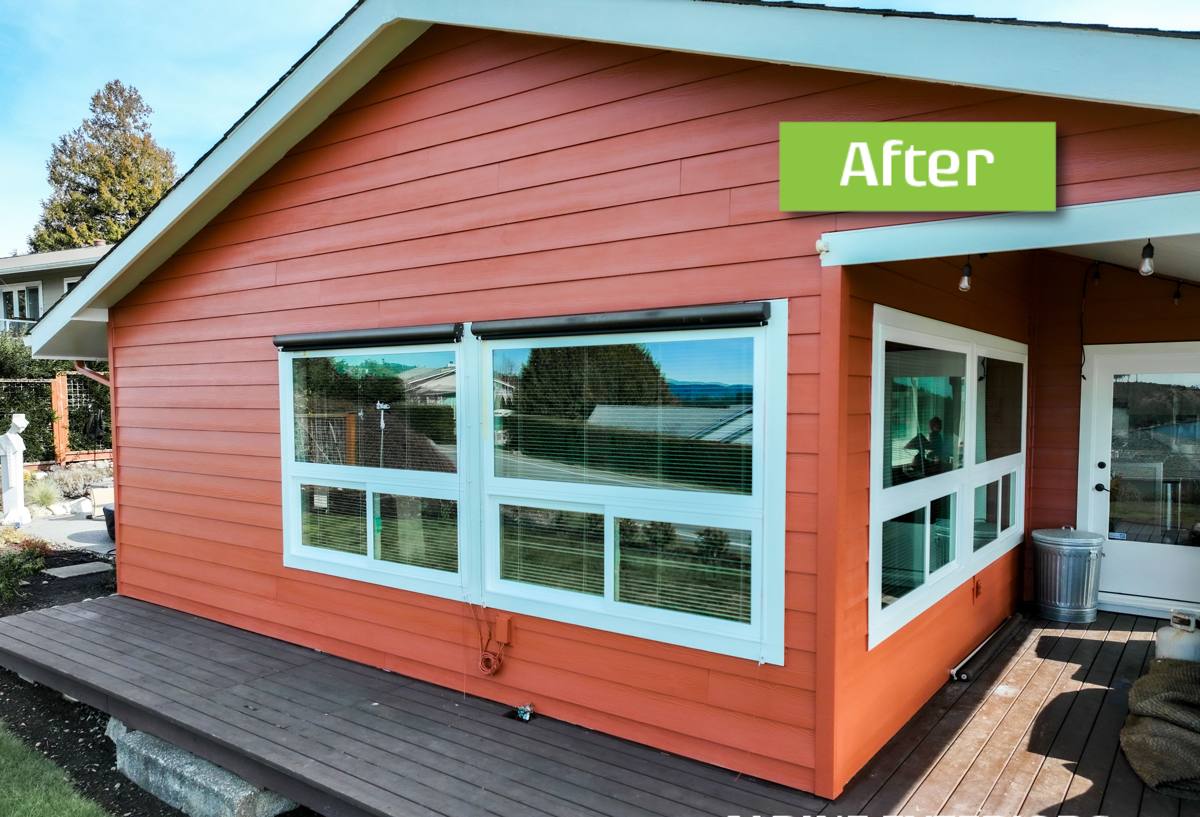
What Hillsborough County's Climate Does to Windows
Tampa doesn't give windows an easy life. Between hurricane-force wind events, wind-driven rain that gets pushed sideways into every gap and seam, intense year-round UV exposure, and the salt-laden air that moves inland off the Bay and the Gulf, every window in Hillsborough County is under more stress than the same product would face in most of the country.
UV and Heat
Florida sun breaks down vinyl, degrades seals, and fades interior finishes faster than in milder climates. Windows with poor UV-resistant glazing or low-grade frame materials will chalk, warp, or lose their seal integrity years ahead of schedule.
Wind-Driven Rain
Tampa's storms don't just drop rain straight down — wind pushes it horizontally into window frames, flashing, and trim. A window that isn't flashed and sealed correctly on install will eventually leak, regardless of how good the window itself is.
Hurricane Winds and Pressure
Hillsborough County sits squarely in a wind-borne debris region for parts of the storm season. Windows need to be rated for the pressures and impact standards that apply locally, not just "hurricane-resistant" in a general sense.
Salt Air
Even away from the immediate waterfront, salt air travels across the Tampa Bay area and accelerates corrosion on hardware, screws, and metal components. Over years, that corrosion is a common reason older windows start sticking, leaking, or failing to lock properly.
Signs a Seminole Heights Home Needs Window Replacement
Older windows don't usually fail all at once — they give warning signs first. If you're noticing any of the following, it's worth having them looked at:
- Windows that are difficult to open, close, or lock, or that have started sticking in humid weather
- Visible gaps, warped frames, or wood rot around the window opening
- Condensation or fogging between panes of double-pane glass (a sign the seal has failed)
- Noticeably higher cooling bills, especially compared to similar-sized homes nearby
- Drafts or air movement felt near the window frame even when closed
- Paint or trim damage on the interior wall below or beside the window, which can indicate water intrusion
- Noise from outside that seems louder than it should be for the window's age and type
Any one of these on its own isn't necessarily an emergency, but a few of them together usually means the windows are past their useful life and starting to cost you money in energy, comfort, or hidden water damage.
What a Correct Window Replacement Job Involves
Window replacement looks simple from the outside — old window out, new window in — but the parts that actually determine whether the job holds up in Tampa's climate happen where you can't see them.
Accurate Measurement of the Existing Opening
Older Seminole Heights homes don't always have perfectly square, standard-sized openings. Settling, prior repairs, and the age of the framing all factor in. A correct measurement accounts for the actual opening, not just a catalog size, which is part of why we measure on site rather than working from assumptions.
Flashing and Moisture Barrier Work
This is the step that prevents wind-driven rain from getting behind the window and into the wall cavity. Proper flashing integrates with the home's existing weather barrier so water sheds outward instead of finding a path inside. Skipping or rushing this step is the single most common cause of leaks after a window replacement, regardless of how good the window itself is.
Sealing and Fastening to Manufacturer and Wind-Load Specs
Impact-rated and hurricane-rated windows are only as strong as their installation. Fasteners, anchoring points, and sealant all need to match the manufacturer's tested installation method — an otherwise-rated window installed incorrectly does not perform to its rating in an actual storm.
Interior and Exterior Finish Work
Trim, caulking, and paint touch-up around the new window should look clean and match the home's existing character, especially on older bungalow and craftsman-style homes where trim details are part of the house's appeal.
Impact-Rated Windows vs. Standard Windows
One of the most common questions homeowners in this area ask is whether to go with impact-rated glass or a standard window paired with separate storm protection. Both are legitimate approaches, and the right one depends on your budget, your home's age, and how you weigh convenience against upfront cost.
| Factor | Impact-Rated Windows | Standard Windows + Shutters |
|---|---|---|
| Upfront cost | Higher per window | Lower per window, added shutter cost |
| Storm prep effort | None — always protected | Requires deploying shutters before a storm |
| UV and noise reduction | Generally better, even outside storm season | Depends on the base window's glazing |
| Daily appearance | Unchanged, no visible hardware | Shutters visible when deployed or stored |
| Insurance considerations | May qualify for wind mitigation credits | May also qualify depending on shutter type |
We'll walk through both options honestly during your estimate, including how each affects your home's insurance wind mitigation report, since that can make a real difference in ongoing costs.
Our Process, Start to Finish
1. On-Site Assessment
We look at your existing windows, the condition of the framing behind them, and what your home actually needs — not just a generic recommendation.
2. Honest Product Recommendation
We'll walk you through material and glazing options that make sense for your budget and your home, including trade-offs, without pushing a product that doesn't fit.
3. Accurate Measurement and Ordering
Every opening is measured on site. We don't guess based on standard sizes, especially on older homes where openings can vary.
4. Professional Removal and Installation
Old windows come out carefully to avoid unnecessary damage to trim or framing. New windows go in with proper flashing, sealing, and fastening to spec.
5. Final Walkthrough
We check operation, seals, and finish work with you before we consider the job done.
Why a Crew That Already Works Seminole Heights Matters
A contractor who regularly works in this neighborhood has already dealt with its non-standard openings, its mix of original and previously-replaced windows, and the specific way Tampa's storms and sun affect homes of this age. That experience shows up in fewer surprises during the job — knowing what's usually behind the trim on a home this age, recognizing early signs of framing issues before they become bigger problems, and understanding how to keep the finished look consistent with the home's character instead of making it look like a mismatched addition.
It also matters for permitting and code compliance. Hillsborough County and the City of Tampa have specific requirements for window replacement, particularly around wind-load ratings and, in some cases, additional review for homes in established or historic-character neighborhoods. A local crew handles that as a normal part of the process rather than something that catches the job off guard partway through.
What Affects the Cost
Every home is different, so we won't quote a price without seeing the job, but a few factors consistently move the number up or down:
- Number of windows being replaced and their sizes
- Whether you're choosing impact-rated glass or standard glazing
- Frame material (vinyl, aluminum, fiberglass, or wood-clad options)
- Condition of the existing framing and whether repair work is needed before install
- Trim and finish complexity, especially on older homes with detailed casings
- Whether the openings are standard sized or require custom-sized windows
We'll break all of this down clearly during your estimate so you know what you're paying for and why, not just a bottom-line number.
Keeping Your New Windows Performing in This Climate
Once your new windows are in, a little maintenance goes a long way in Tampa's climate. Rinse frames and tracks periodically to clear salt residue and pollen buildup. Check weep holes to make sure they're clear so water drains properly instead of pooling. Inspect caulking and sealant once a year, particularly after hurricane season, and address any cracking before it becomes a leak path. None of this is heavy work, but skipping it is how even a well-installed window ends up with avoidable problems a decade in.
If your Seminole Heights home's windows are showing their age, or you just want an honest read on whether repair or replacement makes more sense, we're happy to take a look. Use the form below to request a free, no-pressure estimate.