 Tampa Window
 Window Installation Built for Seminole Heights Homes
Seminole Heights is one of Tampa's older neighborhoods, known for its bungalows, craftsman-style houses, and mid-century homes built well before modern energy codes or hurricane wind standards existed. That history is part of what gives the area its character, but it also means a lot of the windows still in these homes were never designed for what Tampa Bay throws at them today. Original wood sash windows, old aluminum single-pane units from a 1970s remodel, and mismatched replacements from different decades are all common finds when we start an installation here.
Window installation in a neighborhood like this isn't the same job as installing windows in a new-construction subdivision. The openings are often out of square after decades of settling, the exterior trim and siding details matter more because they're visible from the street, and homeowners frequently want to keep the look of the house intact while upgrading everything behind the glass. Getting that balance right is the core of what a good installation job in Seminole Heights actually requires.
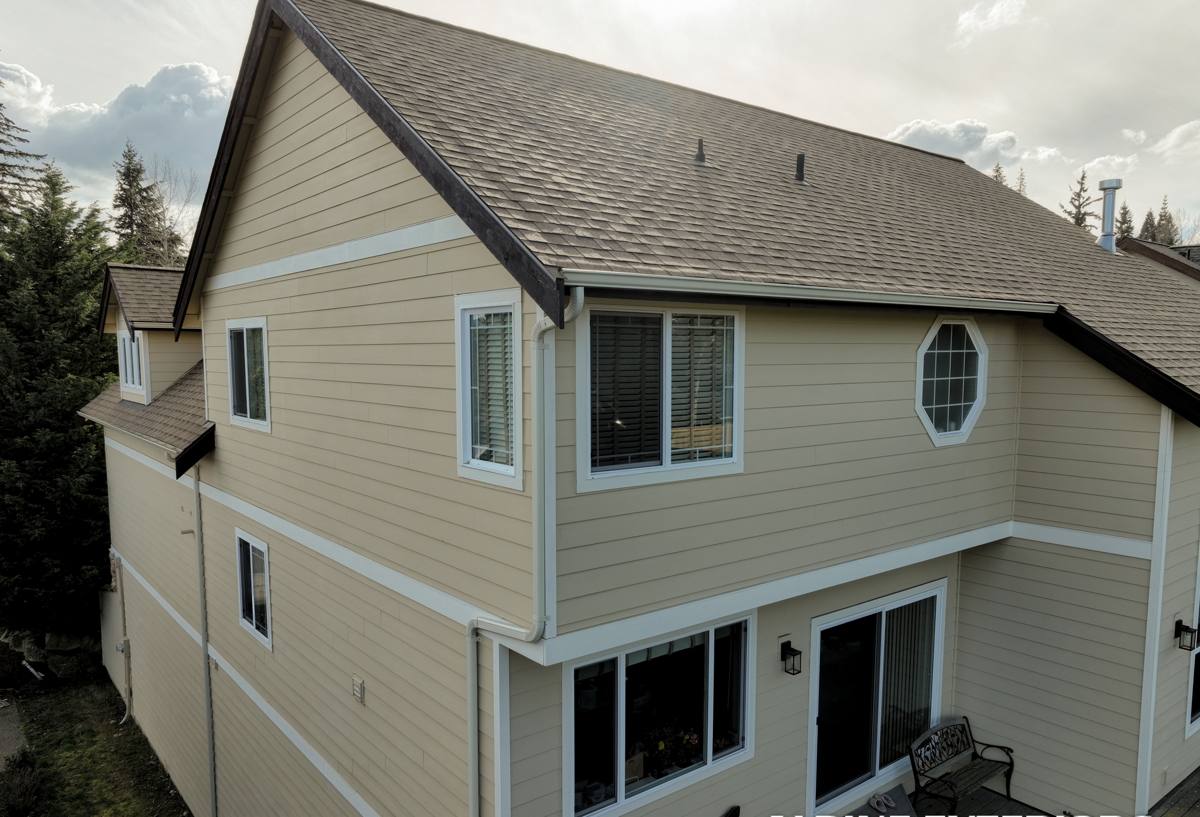
What Tampa Bay's Climate Does to Windows
Hillsborough County sits in a part of Florida that gets tested by nearly every kind of weather stress a window can face. Over enough years, that combination wears down anything that wasn't installed correctly the first time.
Hurricane-Force Wind
Tropical storms and hurricanes bring sustained wind loads and wind-borne debris risk. Windows facing these conditions need to meet Florida Building Code wind requirements for our area, and just as important, they need to be installed into an opening and structure that can actually transfer that load safely — the window itself is only half of the equation.
Year-Round UV Exposure
Florida sun is intense and constant, not seasonal. UV breaks down vinyl frames, dries out sealants, and fades interior finishes near windows faster than in most of the country. Frame material and glass coatings both matter more here than they would in a milder climate.
Wind-Driven Rain
It's not just how much rain falls — it's how it's pushed sideways into a wall during a storm. Wind-driven rain finds any gap in flashing, sealant, or a poorly shimmed frame and will work its way into the wall cavity over time, often invisibly, until there's rot or mold.
Salt Air
Seminole Heights isn't right on the water, but Tampa Bay's salt air still travels well inland on prevailing winds, and it accelerates corrosion on hardware, screws, and any metal components that aren't rated for coastal-adjacent exposure.
What a Correct Window Installation Actually Involves
A window installation is judged almost entirely on the parts you can't see once the trim goes back on. Here's what has to happen, in order, for the job to hold up:
- Opening inspection — checking the rough opening for square, level, and any hidden wood rot or framing damage, which is common in older Seminole Heights homes with original wood-framed openings.
- Removal without damage — taking out the old window and surrounding trim carefully, especially on homes where matching original exterior details is a priority.
- Flashing and moisture barrier — installing flashing tape and a proper drainage path so any water that gets past the window sheds back outside instead of into the wall.
- Shimming and fastening — setting the new window plumb, level, and square, and fastening it per the manufacturer's installation instructions and the window's tested wind rating, not just "close enough."
- Sealing — using the right sealant in the right locations, leaving weep holes clear so the window can drain, not sealing them shut by mistake.
- Interior and exterior trim — finishing the opening so it looks correct on both sides and matches the home's existing style.
Skipping or rushing any one of these steps is where most window failures start — not from a bad window, but from an installation shortcut.
Choosing the Right Windows for a Seminole Heights Home
There's no single "best" window for every house in the neighborhood — the right choice depends on the home's age, style, and how exposed it is to wind and sun. A few things we walk homeowners through:
Impact-Rated Glass vs. Standard Glass with Shutters
Impact-rated windows use laminated glass that stays intact even when cracked, meeting Florida's wind-borne debris requirements without needing separate shutters. Standard glass paired with code-compliant shutters is a lower-upfront-cost option but adds a step every time a storm approaches. We'll lay out both honestly rather than push the more expensive option by default.
Matching the Home's Historic or Period Character
A lot of Seminole Heights houses have a specific window profile — narrow sightlines, a particular grid pattern, a double-hung look — that's part of the home's character. We pay attention to matching that profile in the replacement so the house doesn't lose its identity just because the glass and frame are new.
Frame Material
Vinyl, aluminum, fiberglass, and wood-composite frames each behave differently under constant Florida sun and humidity. We factor in maintenance tolerance, budget, and appearance rather than defaulting to one material for every job.
| Frame Type | UV/Sun Durability | Maintenance | Typical Fit for Older Homes |
|---|---|---|---|
| Vinyl | Good with quality UV-stabilized formulations | Low | Works well when profile matches original sightlines |
| Aluminum | Very good, but conducts heat | Low to moderate | Common in mid-century Seminole Heights homes |
| Fiberglass | Excellent, minimal expansion/contraction | Low | Good for higher-end restorations |
| Wood-composite | Moderate, needs protective finishes | Highest | Best when matching original craftsman wood trim closely |
Permits, Codes, and Inspections in Hillsborough County
Window replacement in Tampa generally requires a permit, and the work needs to be inspected to confirm it meets Florida Building Code wind and impact requirements for our area. This isn't paperwork for its own sake — it's the mechanism that confirms the window and the installation can actually perform in a storm. A contractor who pulls the proper permit and schedules the required inspection is protecting you, not just checking a box.
Some parts of Seminole Heights fall within local historic or conservation districts recognized by the City of Tampa, which can affect what's allowed for exterior changes on the street-facing side of a home. If your property is in one of these areas, it's worth confirming what applies before ordering windows, so the style and appearance stay compliant along with the performance specs.
Common Problems We Find When Replacing Windows in Older Homes
Because so many Seminole Heights homes have gone through multiple owners and remodels, we routinely find issues that a homeowner wouldn't necessarily know to look for:
- Wood rot hidden behind trim, only visible once the old window is removed
- Openings that are no longer square due to decades of house settling
- Previous replacement windows installed without flashing or proper sealant
- Weep holes that were caulked shut by a prior installer, trapping water inside the frame
- Old glazing putty on original wood sash windows that's cracked and no longer sealing
- Mismatched window styles from different eras that don't match each other or the home's original design
Finding these issues during the installation — instead of after — is one of the biggest reasons the removal and inspection step matters as much as the window itself.
Signs Your Seminole Heights Home Needs New Windows
Homeowners often live with problem windows longer than they need to simply because the signs develop gradually. Worth checking for:
- Visible condensation or fogging between panes of double-glazed units
- Windows that are difficult to open, close, or lock properly
- Drafts or noticeable temperature difference near the window even when closed
- Soft or discolored wood trim around the frame, a sign of moisture intrusion
- Noticeable outside noise coming through that wasn't there before
- Visible daylight gaps around the frame when the window is shut
- Higher cooling bills without another clear explanation
How Our Process Works
We start with an in-person look at the home, not a phone-only estimate, because opening condition and exterior style vary so much house to house in this neighborhood. From there:
- We measure each opening individually rather than assuming they match.
- We walk you through window and frame options based on your home's style, sun exposure, and budget — with honest trade-offs, not a hard sell toward the most expensive line.
- We pull the required permit and schedule the inspection as part of the job, not as an afterthought.
- We install with proper flashing, sealing, and fastening for Tampa's wind and rain conditions.
- We finish the trim to match the home's existing look, inside and out.
Why Local Experience in Seminole Heights Matters
A crew that regularly works in this part of Tampa already knows what tends to be behind the walls of a 1920s bungalow versus a 1960s ranch a few blocks over. That familiarity shortens the surprises during removal, speeds up getting the permit right the first time, and helps preserve the exterior character that makes the neighborhood distinct. It's a different skill set than installing windows in a new-build subdivision, and it shows in how clean the finished trim looks and how well the installation holds up through the next several storm seasons.
If you're weighing a window replacement in Seminole Heights — whether it's one window with visible rot or a full-house upgrade — we're happy to take a look and put together a straightforward, no-pressure estimate. Use the form below to get started.