 Tampa Window
 Seminole Heights Siding Takes a Different Kind of Beating
Seminole Heights is one of Tampa's older, close-in neighborhoods, with a housing stock that ranges from early-20th-century bungalows to newer infill construction. Whatever the age of the house, the siding on it is dealing with the same Hillsborough County climate: long stretches of intense UV exposure, seasonal tropical systems that bring hurricane-force gusts and horizontal rain, high humidity that never really lets siding dry out completely, and salt-laden air that drifts inland from Tampa Bay. None of that is unique to Seminole Heights, but the combination of older homes, mature tree canopy, and tight lot spacing means siding here tends to show damage patterns that a generic repair crew — one that mostly works new subdivisions on the edge of the county — may not immediately recognize.
Siding repair done right in this neighborhood isn't about slapping a patch over a soft spot. It's about understanding why that spot went soft in the first place, and making sure the repair doesn't just hide the problem for a season before it reappears.
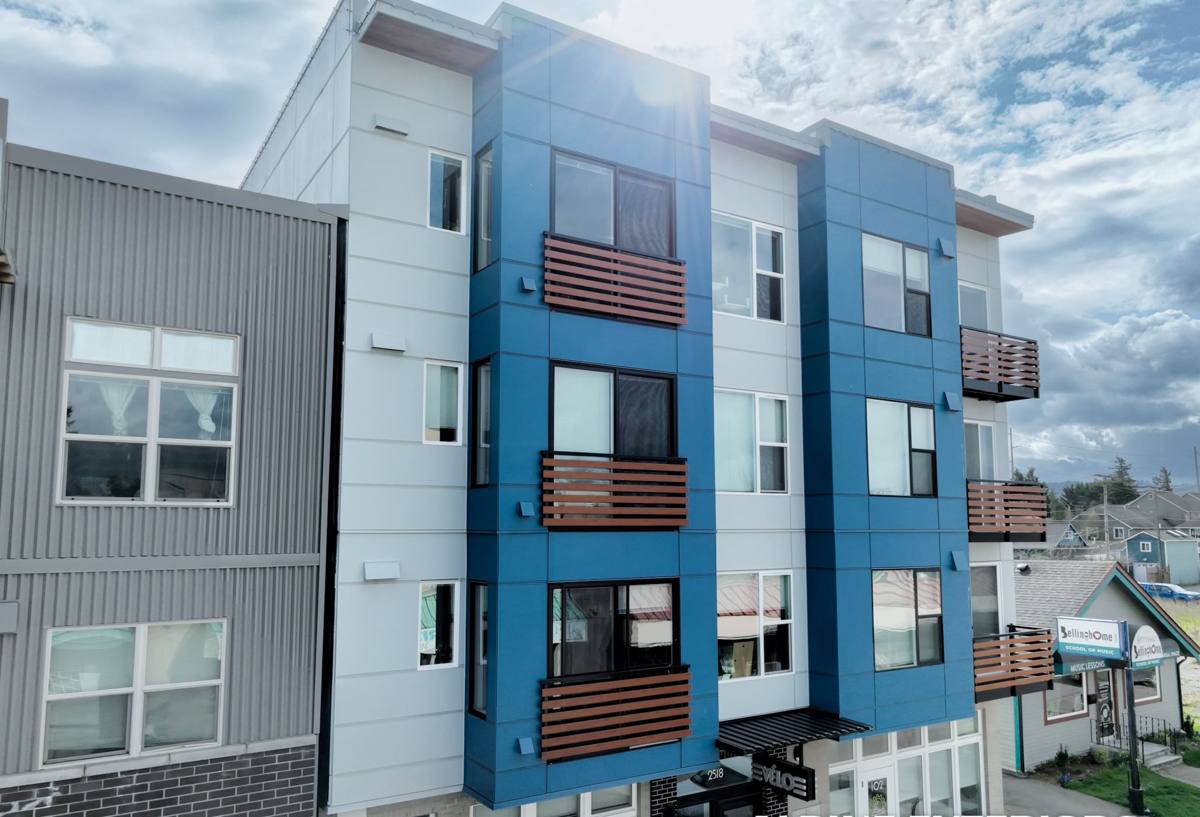
Signs Your Siding Needs Repair, Not Just Paint
Homeowners often reach for a paint sprayer when siding starts looking rough, but paint over damaged material only buys a little time. Look for these warning signs before deciding a fresh coat of paint will solve the problem:
- Soft, spongy, or crumbling spots when you press on the siding, especially near the bottom courses and around window and door trim
- Visible cracking, buckling, or warping panels, particularly after a windy or rainy stretch
- Peeling or bubbling paint that keeps coming back in the same spots no matter how many times it's repainted
- Staining or dark streaks running down from seams, nail heads, or trim joints
- Gaps opening up at butt joints, corners, or where siding meets trim, soffit, or the foundation
- A musty smell or soft drywall on interior walls that back up to exterior siding
- Insect activity — small holes, sawdust-like frass, or soft wood behind the siding
Any one of these can be an isolated, fixable issue. Several of them together, especially on an older home, usually point to a moisture problem that's been developing for a while.
What a Correct Siding Repair Actually Involves
Diagnosing the Cause, Not Just the Symptom
A damaged section of siding is a symptom. The cause is almost always moisture getting in somewhere it shouldn't — a failed caulk joint, a flashing detail that was never installed correctly, a gutter that's been overflowing onto a wall for years, or simply siding that's reached the end of its useful life after decades of Florida sun and rain. A repair that doesn't identify and address the underlying cause will fail again, often within a year or two.
Checking What's Behind the Siding
Once damaged panels are pulled, we look at the weather-resistive barrier, sheathing, and framing underneath before anything new goes back up. If water has been getting behind the siding, there's a real chance the sheathing or framing has taken damage too. Covering that up with new siding without addressing it doesn't fix anything — it just hides a bigger problem behind a nicer wall.
Matching Material, Profile, and Finish
On an older Seminole Heights home, the existing siding may be a discontinued product, a hand-cut wood profile, or a fiber cement line that's since been updated. A repair that doesn't match the reveal, texture, and color of the surrounding siding stands out immediately — and on a house where curb appeal matters, that's not an acceptable outcome. When an exact match isn't available, we talk through realistic options with the homeowner before starting, rather than surprising them with a mismatched patch.
Repair or Replace? How We Help You Decide
| What We Find | What It Usually Means | Likely Path |
|---|---|---|
| Isolated soft spot or crack, sound siding elsewhere | Localized moisture entry or impact damage | Targeted repair of the affected panels |
| Soft spots showing up in multiple, unrelated areas | The siding material itself is failing with age | Full or partial re-siding of the affected elevation |
| Damage concentrated on one wall or elevation | Wind-driven rain exposure, gutter overflow, or a flashing defect on that side | Repair plus fixing the root cause (flashing, gutters, grading) |
| Sheathing or framing damage found behind siding | Long-term water intrusion, possibly hidden for years | Structural repair first, then siding replacement over that section |
| Siding is original and 25+ years old | Material is past its realistic service life | Full replacement is usually more cost-effective than ongoing repairs |
We'll always tell you honestly when a repair makes sense versus when you'd be pouring money into a wall that's going to keep giving you trouble. On a lot of Seminole Heights homes, especially ones that still have original wood or older fiber cement siding, a well-executed repair on one section paired with a longer-term replacement plan for the rest is the most sensible approach.
Why We Repair and Replace With James Hardie Fiber Cement Only
When a repair calls for new siding material — whether it's a few boards or an entire wall — we use James Hardie fiber cement, and only James Hardie. We don't install vinyl, LP SmartSide, Cemplank, Allura, or primed wood siding, even for small patch repairs. That's a deliberate standard, not a sales pitch.
Fiber cement doesn't absorb water the way engineered wood products can, which matters in a climate where humidity rarely lets up. It's non-combustible, which is a real factor for homes with close lot spacing. Hardie's ColorPlus factory-applied finish is baked on under controlled conditions and holds up to Florida UV and salt air noticeably better than field-applied paint, which means a repaired section keeps matching the rest of the house instead of fading at a different rate. And Hardie's HZ5 product line is engineered specifically for high-humidity, storm-prone climates like ours — it's not a generic siding pulled off a shelf and hoped for the best.
We've seen what happens when engineered wood or lower-grade fiber cement products take on water repeatedly in this climate, and we'd rather stand behind one material system we trust completely than offer a menu of products with different failure points. When we repair your siding, we want that repair to outlast the rest of the wall — not become the next callback.
Our Repair Process, Start to Finish
- On-site inspection — We walk the exterior, identify every area of concern (not just the spot you called about), and check gutters, flashing, and grading for contributing causes.
- Honest assessment — We tell you plainly whether it's a repair, a partial re-side, or a full replacement, and why.
- Written estimate — Clear scope, materials, and timeline before any work starts. No surprise change orders for work we could have identified up front.
- Removal and inspection behind the siding — Damaged panels come off, and we check sheathing and framing before closing anything back up.
- Repair the root cause — Flashing, house wrap, or trim details that contributed to the damage get corrected, not just covered.
- Install matching James Hardie material — Fastened, caulked, and finished to Hardie's installation specifications, which protects both the look and the product warranty.
- Final walkthrough — We review the completed work with you before calling the job done.
Why Hiring a Crew That Already Works Seminole Heights Matters
A contractor who regularly works this neighborhood has already seen how Seminole Heights homes are built and how they age — the mix of original and updated construction, the closer setbacks between houses, the mature trees that shade some walls and funnel wind-driven rain against others. That familiarity shows up in small but important ways: knowing to check specific trouble spots first, understanding how Tampa's permitting process applies to exterior work on an older home, and being realistic about what a repair can and can't accomplish on a house that's been through a few decades of Gulf Coast weather.
It also matters for logistics. A crew that's already working in and around Seminole Heights on a regular basis can typically get to your inspection and your repair faster than one dispatching from across the county, and they're not learning the neighborhood's quirks on your dime.
Protecting the Repair After It's Done
A correctly done siding repair should hold up for years, but a little homeowner attention extends that further. Keep gutters clear so water isn't sheeting down walls. Keep sprinklers from hitting siding directly. Trim back vegetation that's holding moisture against a wall. And if you notice a new soft spot, a caulk joint opening up, or a paint issue in one specific area, address it while it's still small — that's the difference between a quick repair and a much larger one.
If you're seeing any of the warning signs above on a Seminole Heights home, or you just want a second opinion on a repair another contractor quoted, we're happy to take a look. We offer free, no-pressure estimates — we'll tell you honestly what we find and what it would take to fix it right.