 Tampa Window
 Why Seminole Heights Roofs Age Differently Than Roofs Up North
A roof in Seminole Heights doesn't fail the way a roof in a cooler, drier climate fails. Here in Hillsborough County, a roof is under attack from four directions at once: hurricane-force wind gusts during storm season, intense UV exposure nearly year-round, wind-driven rain that finds every weak seam, and salt air drifting in off Tampa Bay that slowly corrodes metal fasteners and flashing. None of these alone is unusual for a roof to handle. Together, over years, they shorten the useful life of roofing materials that might last much longer in a milder climate.
Seminole Heights also has a lot of older housing stock — bungalow and craftsman-style homes with roof lines, ventilation setups, and decking that were built to a different era's standards. That matters when it's time to replace a roof, because a correct replacement isn't just "same roof, new shingles." It's an opportunity to bring the whole roofing system up to what current wind and moisture conditions in this part of Tampa actually demand.
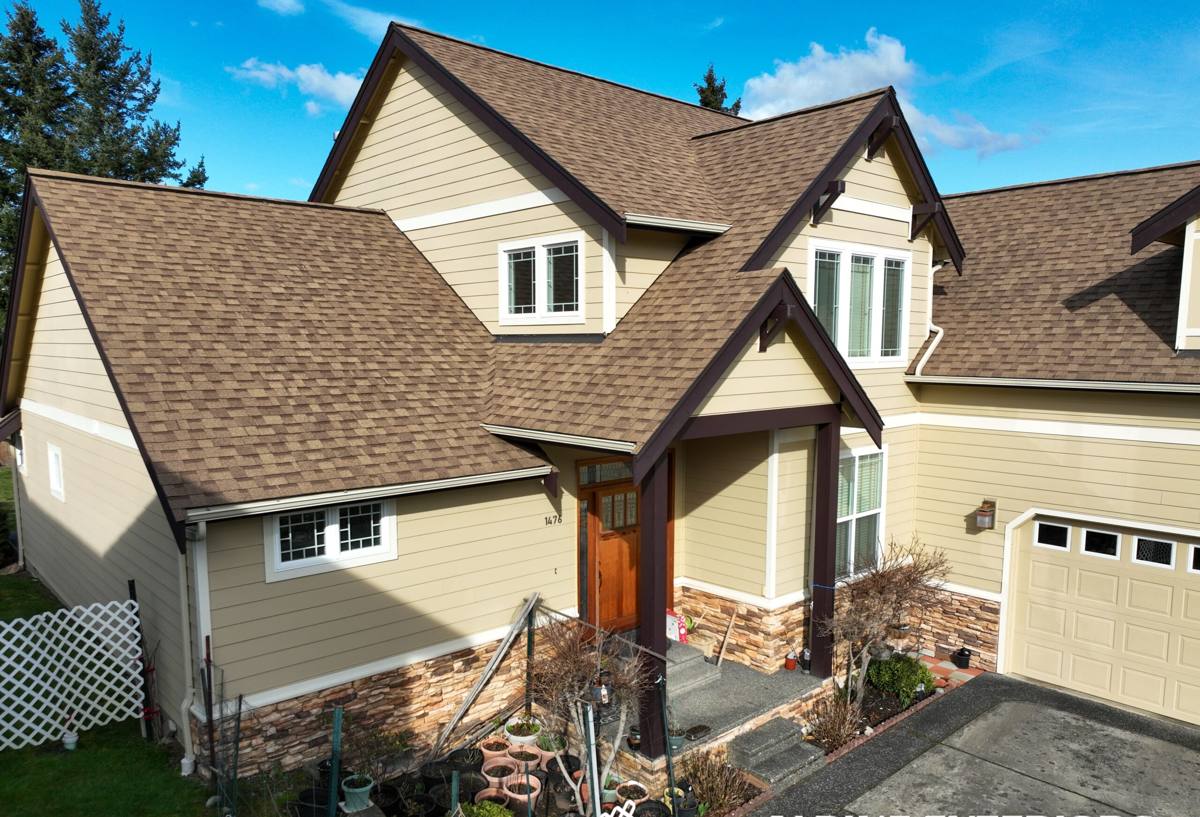
Signs a Seminole Heights Roof Is Due for Replacement
Most homeowners call us after noticing one obvious problem, but a roof replacement decision should be based on the whole system, not one symptom. Common signs we look for on Tampa homes include:
- Shingles that are curling, cupping, or losing their granules faster than expected for their age
- Soft spots or sagging in the roof deck when walked on
- Recurring leaks in the same area even after prior patch repairs
- Visible daylight or gaps around flashing, vents, or chimney penetrations
- Rusted or corroded metal flashing, vents, or fasteners — common near the bay's salt air
- Granules collecting in gutters after storms, a sign the shingle surface is breaking down
- A roof that's simply reached the end of its rated lifespan, even if it "looks fine" from the ground
Age and visible wear rarely line up perfectly in this climate. A roof that's 12 years old but took repeated direct sun and a couple of hard storm seasons can be in worse shape than a 16-year-old roof that's been shaded and maintained. That's why we inspect rather than guess.
What a Correct Roof Replacement Actually Involves
A roof replacement done right is a system, not a single layer. Skipping steps to save time is the most common reason a "new roof" fails early in a climate like ours.
Tear-off and deck inspection
We remove the old roofing material down to the deck and inspect every square foot of sheathing. Any wood that's soft, delaminated, or water-damaged gets replaced before anything new goes down — covering damaged decking with new shingles just hides the problem and guarantees a future leak.
Underlayment and moisture barrier
With wind-driven rain a regular part of storm season here, the underlayment layer matters as much as the shingles themselves. A synthetic or self-adhering underlayment, properly lapped and sealed, is what actually keeps water out when wind pushes rain sideways under the shingle edges.
Flashing and penetrations
Flashing around chimneys, vent pipes, skylights, and roof-to-wall transitions is where most leaks start, not in the open field of shingles. Correct flashing work — new material, correctly lapped, properly sealed — is non-negotiable on every replacement we do.
Fastening for wind resistance
Tampa isn't in the state's highest wind velocity zone, but Hillsborough County still enforces wind-resistance standards in its building code, and hurricane-season gusts are a real, recurring load on any roof here. Nailing pattern, fastener count, and shingle sealing all affect how a roof performs in high wind — this isn't an area to cut corners on labor time.
Attic ventilation
Proper intake and exhaust ventilation keeps attic temperatures and moisture in check. In our heat, poor ventilation shortens shingle life from underneath and can void manufacturer warranties even when the surface installation was done well.
Choosing a Roofing Material for a Seminole Heights Home
There's no single "best" roofing material — the right choice depends on your home's structure, your budget, and how long you plan to stay in the home. Here's how the common options compare for our climate and housing stock:
| Material | Typical Lifespan Here | Wind/Storm Performance | Maintenance Considerations |
|---|---|---|---|
| Asphalt shingle (architectural) | 18-25 years | Good when properly fastened and sealed | Most affordable; periodic inspection after major storms |
| Metal roofing | 30-50 years | Excellent wind uplift resistance | Higher upfront cost; fastener and coating checks over time |
| Concrete or clay tile | 40-50+ years | Very good, but individual tiles can crack from impact | Heavier structure requirement; occasional tile replacement |
| 3-tab shingle (older standard) | 12-18 years | Lower wind rating than architectural shingles | Largely phased out for new installs in this climate |
For many of the older, lighter-framed bungalow homes common in Seminole Heights, architectural asphalt shingle remains the practical choice — it balances cost, weight the structure can carry, and wind performance. Homeowners planning to stay long-term, or with a roof structure that can support it, often look at metal for the lifespan and lower long-term maintenance. We'll walk you through what your specific roof structure and budget support rather than pushing one product.
How Our Process Works
- Inspection and honest assessment — we get on the roof, check the deck where accessible, and tell you plainly whether you need a repair or a full replacement.
- Written estimate — material options, scope of work, and a clear price, with no vague allowances hidden in the fine print.
- Permitting — roof replacements in Hillsborough County require a permit and inspection; we handle that process as part of the job.
- Tear-off and deck repair — old material removed, deck inspected, any damaged sheathing replaced.
- Underlayment, flashing, and installation — installed to manufacturer specification and local code, not shortcuts.
- Final walkthrough and inspection — we review the finished roof with you and it goes through the required county inspection.
Permits, Codes, and Insurance Considerations
Roof replacements in the City of Tampa and unincorporated Hillsborough County require a building permit, and the work has to pass inspection. This isn't paperwork for its own sake — the permit process is what confirms the roof was actually installed to current wind and moisture standards, not just to however it looked from the ground.
A permitted, documented roof replacement also matters for insurance. Florida insurers increasingly ask for proof of roof age, material, and installation quality when writing or renewing a homeowner's policy, and some offer credits for wind-resistant features. Keeping your permit, inspection sign-off, and materials documentation on file protects you at renewal time and after any future storm claim.
What to Check Before Hiring a Roofing Contractor
- Florida state roofing license, verified — not just "insured," but properly licensed for roofing work
- General liability and workers' comp insurance, current and verifiable
- A written estimate that specifies materials, underlayment type, and flashing scope — not just "new roof, one price"
- Willingness to pull the required permit rather than skip it
- Manufacturer certification for the shingle or metal system being installed, if warranty coverage matters to you
- A physical local presence and a track record of jobs in the Tampa area, not just a traveling storm crew
Every hurricane season, Florida sees an influx of out-of-town crews chasing storm damage work. Some do fine work. But a company with no local presence has no accountability if a problem shows up two years later, and no familiarity with Hillsborough County's specific permitting and inspection process. That's the practical reason "local" is worth something beyond convenience.
Why a Local Seminole Heights Crew Matters
A crew that regularly works in this part of Tampa knows the housing stock — older decking, the roof pitches and vent configurations common in this neighborhood's homes, and how prior additions or renovations sometimes complicate a straightforward tear-off. That familiarity shows up in fewer surprises mid-project and a more accurate estimate up front.
It also means someone is around after the job is done. If a fastener works loose after a storm, or a question comes up at insurance renewal time, you're calling a business that's still here, not chasing down a crew that moved on to the next county.
After the Replacement: Keeping It Performing
A new roof still needs basic upkeep in this climate:
- Clear gutters and downspouts so water doesn't back up under the roof edge
- After any major storm, a quick visual check for lifted shingles, dented vents, or debris damage
- Trim back overhanging branches that can abrade shingles or drop debris in wind
- Keep documentation — permit, warranty, and inspection records — somewhere you can find it for insurance purposes
None of this is complicated, but skipping it is how small issues turn into leaks a few years down the line.
If your roof is showing its age or you just want an honest read on where it stands, we're happy to take a look. Fill out the form below for a free, no-pressure estimate from a crew that works Seminole Heights and the surrounding Tampa area regularly.