 Tampa Window
 Seminole Heights Roofs Face a Tougher Climate Than Most Homeowners Realize
Seminole Heights is one of Tampa's older, tree-canopied neighborhoods, and that character comes with a roofing reality: many homes here have rooflines, pitches, and framing from decades past, sitting under conditions that are anything but gentle. Hillsborough County sees intense year-round UV exposure that breaks down asphalt shingle granules faster than in milder climates, wind-driven rain that finds every weak seam and flashing gap, and the periodic threat of hurricane-force wind events that test every fastener in the field. Add in the humid, storm-heavy summer stretch and the occasional salt-tinged air moving inland from Tampa Bay, and you have a roofing environment that punishes shortcuts.
None of this means asphalt shingle roofing is a bad choice for a Seminole Heights home — it remains one of the most practical, cost-effective, and widely available roofing systems for this climate when it's installed correctly. The key phrase is "installed correctly." A shingle roof that's cut corners on underlayment, ventilation, or fastening will show its age in half the time it should, especially on a lot with mature tree cover and a home built before modern wind-code updates.
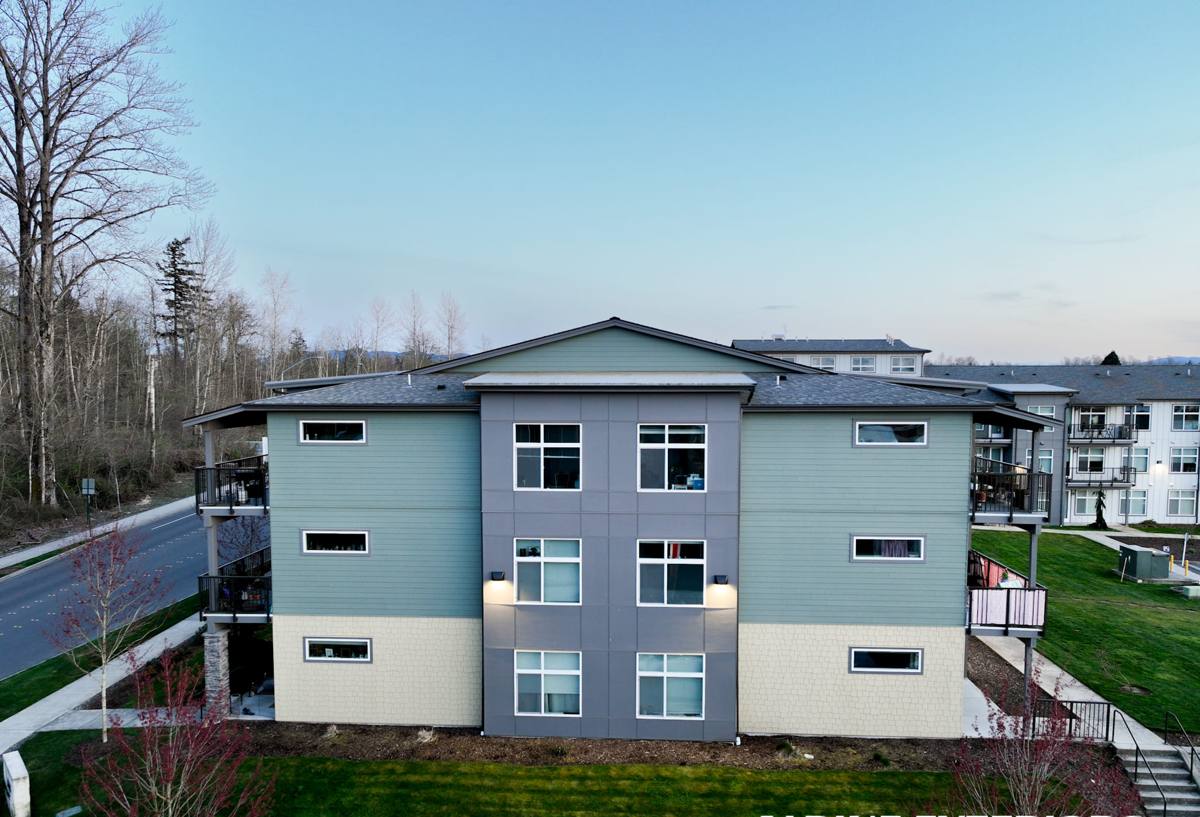
What Local Homes Actually Need From a Shingle Roof
A roof in this part of Tampa has to do several jobs at once, and a good installation plans for all of them rather than just the obvious one.
- Wind resistance — shingles and fasteners rated and installed to hold up under sustained gusts and the uplift forces that come with tropical storms and hurricanes.
- UV durability — granule coatings and shingle mat quality that resist the accelerated breakdown caused by near-constant Florida sun.
- Water shedding under wind-driven rain — proper underlayment, flashing, and shingle overlap so rain forced sideways by wind doesn't work its way under the shingle field.
- Attic ventilation — enough intake and exhaust airflow to keep attic temperatures and moisture in check, which directly affects how long the shingles and the decking underneath them last.
- Compatibility with tree cover — Seminole Heights' mature trees mean more debris, more shade-driven moisture retention on north-facing slopes, and more need for regular gutter and valley maintenance.
A roofing job that only addresses "put new shingles on" without accounting for these factors is doing half the job.
What a Correct Asphalt Shingle Installation Involves
Tear-Off and Deck Inspection
Every proper reroof starts with a full tear-off down to the decking, not an overlay on old shingles. This is the only way to actually inspect the roof deck for soft spots, water damage, or rot — issues that are common on older Tampa homes and that get hidden (and made worse) by simply layering new shingles on top of old ones. Any damaged decking should be replaced before anything else happens.
Underlayment
The underlayment is the roof's real waterproofing layer — the shingles are the first line of defense, but the underlayment is what keeps the house dry if wind-driven rain gets past them, which it will during a strong storm. A synthetic or self-adhering underlayment, installed with proper overlap and sealed at penetrations, matters as much as the shingle brand on top of it.
Flashing
Flashing around chimneys, walls, skylights, and roof-to-wall transitions is where the majority of leaks actually originate — not in the open shingle field. Correct flashing means new metal, properly lapped with the underlayment and shingles, not caulk smeared over old, corroded flashing to save time.
Fastening
Nail placement, nail count, and nail type all affect wind performance. Florida building code sets minimum standards for fastening patterns in high-wind zones, and a roof fastened to code (or better) is measurably more likely to survive a wind event with its shingles intact.
Ventilation
Balanced intake (soffit) and exhaust (ridge or other) ventilation keeps the attic from becoming a heat trap. Poor ventilation shortens shingle life from underneath, causes decking to warp, and can push cooling costs up in a climate where the AC is already working hard most of the year.
Signs a Seminole Heights Roof Needs Attention
Because of the sun and storm exposure here, asphalt shingle roofs in this area often show wear before homeowners expect it. Worth checking for:
- Granules collecting in gutters or at downspout outlets — a sign the shingle surface is breaking down
- Curling, cupping, or cracked shingles, especially on south- and west-facing slopes that take the most UV
- Shingles that look patchy or mismatched in color from sun bleaching
- Soft spots or sagging when walked on (should only be assessed by a roofer, not a homeowner)
- Water stains on interior ceilings, especially after a heavy wind-driven rain event
- Missing or lifted shingles after a storm, even if no leak has shown up yet
- Visible daylight or gaps in the attic around flashing or vents
- A roof approaching or past the 15–20 year mark, which is a realistic lifespan range for asphalt shingles in this climate even with good maintenance
Catching these early is almost always cheaper than waiting for an active leak, since wind-driven rain can push water well past the point of entry before it ever shows up as a stain.
Choosing Shingles for This Climate
Not all asphalt shingles perform the same way under Florida sun and wind. The table below outlines the general categories homeowners in this area typically choose between.
| Shingle Type | Typical Wind Rating | Best For | Trade-Offs |
|---|---|---|---|
| 3-tab shingles | Lower end of code minimums | Budget-conscious reroofs on simpler rooflines | Shorter realistic lifespan under intense UV and wind; less impact resistance |
| Standard architectural (laminate) shingles | Mid-to-high range, varies by product | Most Seminole Heights homes — a solid balance of cost, appearance, and durability | Slightly higher upfront cost than 3-tab; still needs correct install to hit rated performance |
| High-wind / impact-rated architectural shingles | Highest rated tier | Homes wanting maximum storm resilience or better insurance considerations | Higher material cost; benefit depends on correct fastening and underlayment to actually deliver rated performance |
Wind ratings only mean something if the installation matches the manufacturer's specifications for that rating — the right shingle, fastened incorrectly, will not perform to its rated wind speed. This is one reason we're specific with homeowners about installation method, not just product choice.
Our Process, From Inspection to Cleanup
- On-site inspection — we look at the existing roof, decking condition (where visible), attic ventilation, flashing points, and any storm or age-related damage, and walk the homeowner through what we find in plain terms.
- Honest scope and estimate — repair versus full replacement, shingle options, and a clear explanation of what's driving the recommendation, with no pressure to upsell beyond what the roof actually needs.
- Tear-off and deck check — full removal of old roofing material, with any compromised decking identified and replaced before work continues.
- Underlayment and flashing — installed to manufacturer and code specifications, with particular attention to valleys, penetrations, and roof-to-wall transitions.
- Shingle installation — fastened to the pattern required for the shingle's rated wind performance, not just "enough to hold it down."
- Ventilation check — confirming intake and exhaust airflow is adequate, and addressing gaps where it isn't.
- Final walkthrough and cleanup — magnetic sweep for stray nails, debris removal, and a final review with the homeowner before we consider the job done.
Cost Factors for Seminole Heights Roofing Projects
Every roof is different, and we don't quote a price without seeing the actual roof, but the factors below are what typically move a project's cost up or down.
| Factor | Why It Matters |
|---|---|
| Roof size and pitch | More square footage and steeper pitches mean more material and labor time |
| Deck condition | Rotted or soft decking found during tear-off requires replacement before new roofing goes on |
| Number of penetrations | Chimneys, skylights, and multiple vents each need individual flashing work |
| Shingle tier chosen | Standard architectural versus high-wind impact-rated shingles carry different material costs |
| Roofline complexity | Valleys, dormers, and multiple roof planes add labor and material waste versus a simple gable |
| Access and tree cover | Mature trees common in this neighborhood can affect staging, cleanup, and safety measures |
Broadly speaking, homeowners should expect asphalt shingle reroofing costs to run from the low thousands for smaller, simpler roofs up into the higher five figures for large or complex rooflines with premium materials — but the only reliable number is one based on an actual inspection of your roof.
Why Hiring a Crew That Already Works Seminole Heights Matters
Roofing crews that regularly work in this neighborhood tend to have a practical feel for its housing stock — the mix of older framing and newer construction, the roof pitches and complexity common to the area, and the realistic impact of heavy tree canopy on drainage and debris. That familiarity shows up in small but meaningful ways: knowing to double-check valleys where leaves and debris collect, being realistic about ventilation needs on older attics, and understanding what Hillsborough County permitting and inspection expects for a reroof.
It also matters for accountability. A crew that works this area regularly has a reputation to maintain with neighbors, not just a one-time transaction. That's a different incentive structure than an out-of-area crew that won't be back.
Maintenance That Extends the Life of a New Roof
A correctly installed shingle roof still benefits from basic upkeep, especially under Tampa's sun and storm cycle:
- Keep gutters and valleys clear of leaves and debris, particularly under mature tree cover
- Trim overhanging branches that can scrape shingles or drop heavy debris in storms
- Have the roof visually checked after any significant wind event, even without visible leaks
- Address small issues — a lifted shingle, a small flashing gap — before the next heavy rain finds them
- Schedule a periodic professional inspection rather than waiting for a problem to show up indoors
None of this requires a major time investment, but it's the difference between a roof that reaches the upper end of its expected lifespan and one that needs premature repairs.
Get a Straight Answer on Your Roof
If you're noticing granule loss, storm damage, or you're simply not sure how much life is left in your current roof, we're happy to take a look and give you an honest read — no pressure, no upsell. Use the form below to request a free estimate for your Seminole Heights home.