 Tampa Window
 Why Westchase Roofs Wear Out on Their Own Timeline
Westchase sits inland from Tampa Bay but still takes the full brunt of what the region throws at a roof: long stretches of intense summer UV, sudden wind-driven rain that finds every weak seam, and the occasional direct hit from tropical systems moving through Hillsborough County. None of these forces act alone. UV breaks down asphalt oils and cracks tile glazing over years of exposure, then a wind event finds whatever that sun damage already loosened. A roof that looks fine from the driveway can be years past the point where its underlayment and flashing are actually doing their job.
Because Westchase is a planned community with a lot of homes built in similar waves, entire streets often have roofs aging out at close to the same time. That's useful to know as a homeowner — if neighbors are getting quotes or scheduling tear-offs, it's often not a coincidence, it's the shingle warranty clock running out on a whole subdivision at once.
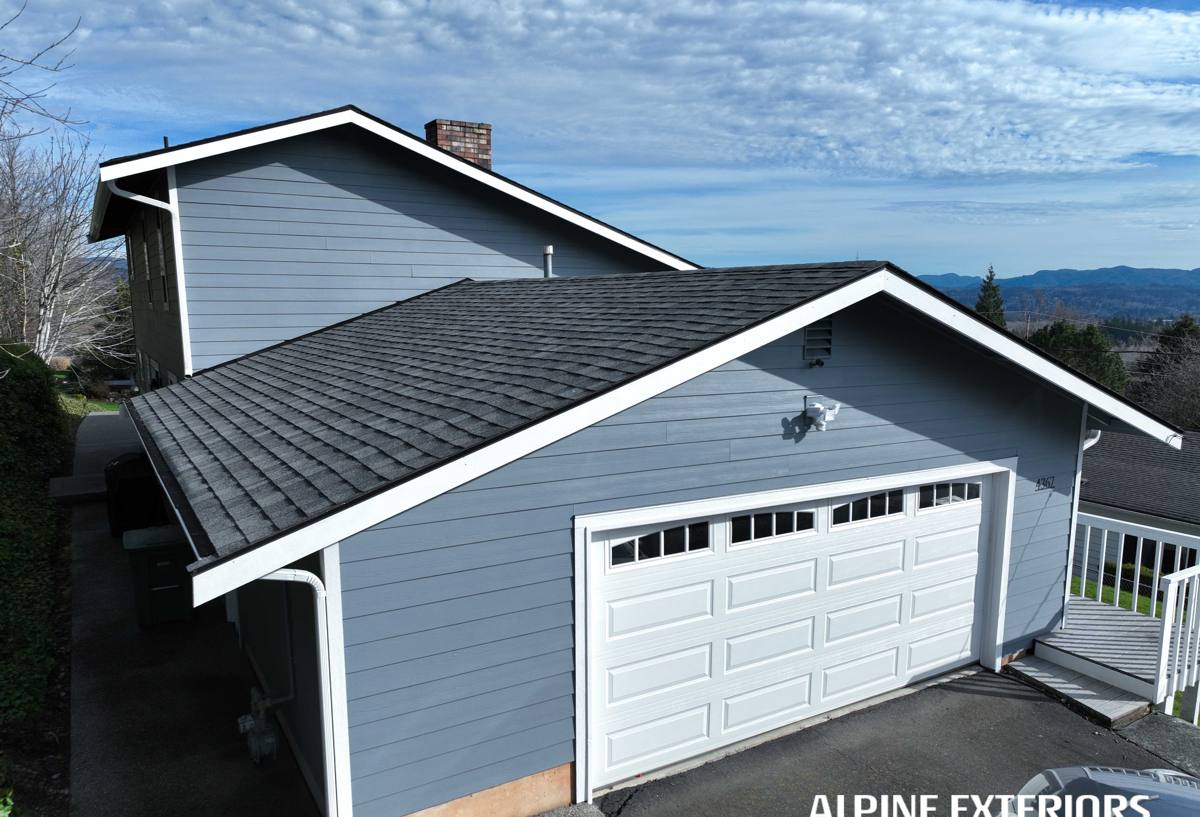
Signs a Roof Is Actually Due for Replacement
Roof repairs make sense when a problem is isolated — a cracked pipe boot, a lifted ridge cap, storm damage to one slope. Full replacement becomes the honest recommendation when the damage is systemic, or when patching would just be delaying the same failure in a different spot next season.
- Shingles that are cupping, curling at the edges, or losing granules in visible patches (check the gutters and downspout runoff for gritty buildup)
- Soft spots or sagging when walking the roof, which usually points to deck damage underneath
- Daylight visible through the attic sheathing, or water stains on the attic side of the roof deck
- Recurring leaks in different spots after previous repairs, rather than one leak that keeps coming back
- A roof approaching or past the manufacturer's rated lifespan, especially if it's never had a tear-off
- Visible flashing that's rusted, lifted, or was never properly step-flashed at walls and chimneys
- Missing or damaged shingles after a wind event, spread across multiple slopes rather than one localized area
If only one or two of these apply and the rest of the roof is sound, a repair is usually the right call. If several apply at once, replacement tends to be the more honest and cost-effective path, since continuing to patch an aging system just adds labor cost on top of a roof that still needs replacing soon after.
What a Correct Roof Replacement Actually Involves
Tear-Off and Deck Inspection
A proper replacement starts with a full tear-off down to the roof deck — not a layover on top of existing shingles. That's the only way to actually see the plywood or OSB underneath and catch soft, delaminated, or water-damaged sections before they're sealed under new material. Any damaged decking gets replaced before anything else goes down; skipping this step is one of the most common shortcuts that leads to a roof failing well before its expected lifespan.
Underlayment and Water Barrier
This layer matters more in Tampa than almost anywhere else in the country, because wind-driven rain during tropical storms doesn't fall straight down — it gets pushed sideways and under shingle edges. A quality synthetic underlayment, plus self-adhered waterproof membrane at eaves, valleys, and other vulnerable transitions, is what keeps that water out even when wind is actively working against the shingle layer above it.
Flashing at Every Penetration
Chimneys, skylights, plumbing vents, and wall transitions are where roofs actually fail — not usually in the open field of shingles. Correct step flashing, counter-flashing, and pipe boot installation at every one of these points is what separates a roof that holds up through a decade of Florida storms from one that starts leaking in year three.
Ventilation
A hot, poorly ventilated attic bakes shingles from underneath and shortens their life regardless of how good the material is. Balanced intake and exhaust ventilation is part of doing the job right, not an upsell — it protects the investment being made in the new roof.
Final Material Installation
Nailing pattern, exposure, and sealant strip activation all affect a shingle roof's actual wind rating in practice, not just on paper. A roof installed to the letter of the manufacturer's specification performs closer to its rated wind speed than one installed quickly to save labor hours.
Roofing Material Options for Westchase Homes
There's no single "best" roofing material — the right choice depends on budget, how long the homeowner plans to stay in the home, and how much long-term maintenance they want to take on. Here's how the common options compare for this climate:
| Material | Wind Performance | UV/Heat Resistance | Maintenance | Investment Level |
|---|---|---|---|---|
| 3-Tab Asphalt Shingle | Lower wind rating, more prone to edge lift | Fades and grants loss faster under constant sun | Low, but shorter service life | Budget-friendly |
| Architectural (Laminate) Shingle | Higher wind rating, better sealant strip performance | Better UV/granule retention | Low | Mid-range |
| Standing Seam Metal | Excellent, few if any lifted panels in high wind | Reflects heat, reduces attic temps | Very low | Premium |
| Concrete or Clay Tile | Strong when properly fastened, but individual tiles can crack from debris impact | Excellent, doesn't degrade from UV | Moderate — cracked tiles need periodic replacement | Premium |
For most Westchase homes, a high-quality architectural shingle rated for Florida wind speeds is the practical middle ground — meaningfully better wind and UV performance than a basic three-tab, without the higher upfront cost of metal or tile. Homeowners planning to stay long-term, or who want to minimize maintenance calls, often find metal's higher upfront cost pays off over the life of the roof.
Wind Ratings and Florida Building Code
Hillsborough County isn't in Florida's designated High-Velocity Hurricane Zone (that classification applies to Miami-Dade and Broward Counties), but Westchase homes are still built and re-roofed under the wind-load and uplift-resistance provisions of the Florida Building Code that apply statewide. That means nailing patterns, fastener counts, and underlayment requirements aren't optional details — they're what a permitted, inspected roof replacement is required to meet. A correctly installed roof to code spec is the difference between shingles that stay put in a strong wind event and ones that peel back at the first sustained gust.
How Our Replacement Process Works
- On-site inspection and estimate — we walk the roof, check the attic and decking where accessible, and give a straight assessment of repair versus replacement.
- Material selection — we walk through the tradeoffs above based on budget and how long the roof needs to perform.
- Permitting — we pull the required Hillsborough County roofing permit before work starts, so the job is inspected and documented, not done off the books.
- Tear-off and deck repair — full removal of old material, deck inspection, and replacement of any compromised plywood or OSB.
- Underlayment, flashing, and ventilation — installed to manufacturer and code specification at every penetration and transition.
- Final material installation — shingles, metal, or tile installed to the fastening pattern required for its rated wind performance.
- Final walkthrough and county inspection — we confirm the job passes inspection and walk the finished roof with the homeowner.
Permits, Inspections, and Insurance Documentation
Every roof replacement in Hillsborough County requires a permit, and skipping that step — even when a contractor offers to do it "off permit" to save time — leaves a homeowner without an inspected, documented roof. That matters most at two moments: when a homeowner's insurer asks for proof of a compliant replacement after a claim, and when the home eventually sells and a buyer's inspector or lender wants permit history on file. A permitted job also means a third-party county inspector is verifying the work, not just the contractor grading their own installation.
Why a Crew That Already Works Westchase Matters
Roofing crews that regularly work Westchase know the typical roof pitches, deck construction, and HOA expectations common to the neighborhood's build era, which cuts down on surprises mid-project. They also know which failure points show up most often on homes in this specific pocket of Tampa Bay — useful when deciding where to spend extra attention during tear-off, rather than treating every roof as a generic replacement. Familiarity with local permitting timelines and inspection scheduling also keeps a project moving instead of sitting idle waiting on paperwork that an out-of-area crew isn't used to navigating.
After Replacement: Protecting the Investment
A new roof still benefits from periodic attention in this climate. A twice-yearly visual check — especially after major storm events — for lifted shingles, debris buildup in valleys, and clear gutters goes a long way toward getting the full rated lifespan out of the new roof. Keeping tree limbs trimmed back from the roofline also reduces both UV-related wear from shading inconsistency and physical impact risk during high winds.
If your Westchase roof is showing any of the wear signs above, or it's simply reaching the age where an honest inspection makes sense, we're happy to take a look and provide a free, no-pressure estimate — no obligation, just a straight assessment of where things stand.