 Tampa Window
 Roof Replacement Built for Davis Islands Conditions
Davis Islands sits close to open water on both sides, which means homes here take a different kind of beating than roofs a few miles inland. Between the salt-laden air coming off Hillsborough Bay, the intensity of a Tampa summer sun, and the wind and wind-driven rain that come with every tropical system that brushes the Gulf Coast, a roof on Davis Islands is working harder than most. When it's time to replace one, the job needs to account for all of that from the start, not just match what was there before.
We've replaced roofs across Tampa and Hillsborough County long enough to know that a "standard" install done without regard for a barrier island's exposure tends to show its age early. Fasteners corrode faster. Flashing that wasn't sealed with salt air in mind starts leaking within a few seasons. Underlayment that skimps on wind-driven rain protection lets water in around penetrations during the first real storm. None of that has to happen if the roof is built right the first time.
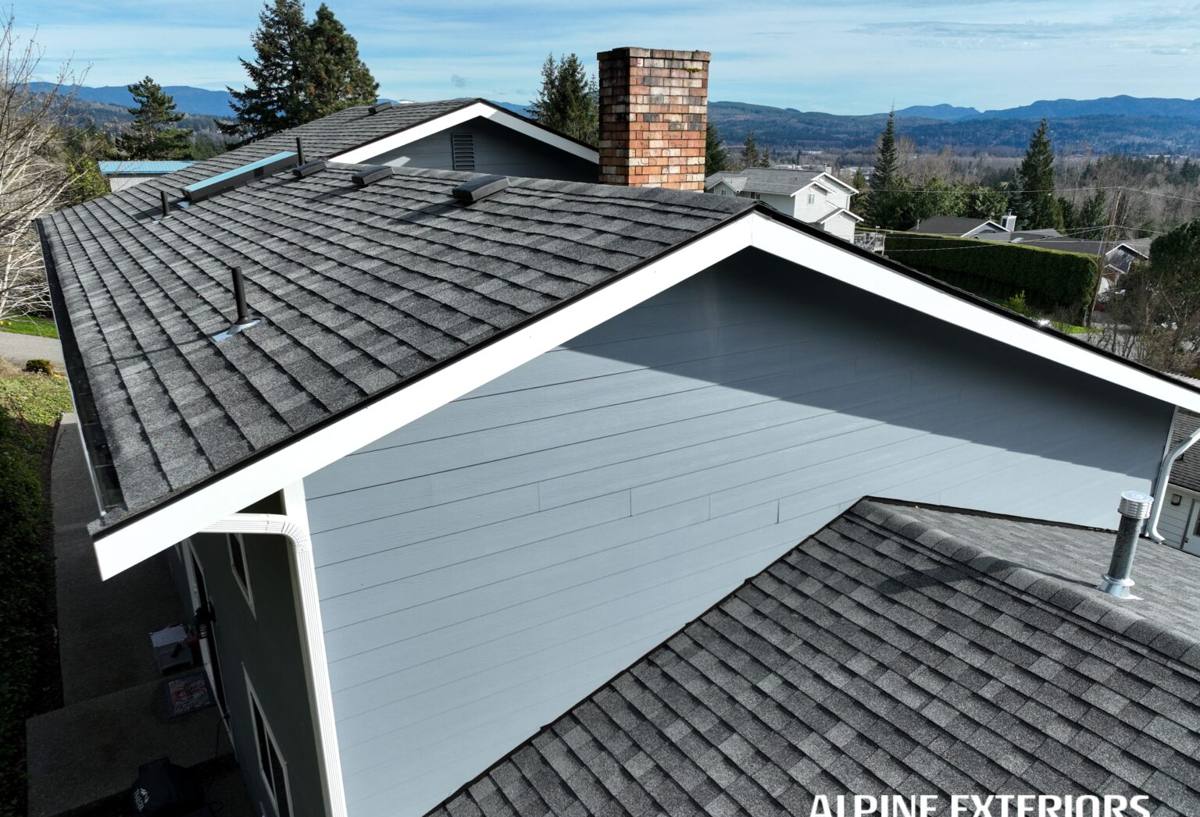
What Davis Islands Homes Need From a New Roof
Wind Resistance That Matches the Exposure
Being surrounded by water means Davis Islands catches wind that inland Tampa neighborhoods are partially shielded from by tree cover and other structures. A roof replacement here should meet or exceed Florida Building Code wind requirements for the zone, with attention paid to fastening patterns, nailing schedules, and edge/corner detailing — those are the areas where uplift starts during a hurricane or even a strong summer thunderstorm.
Corrosion-Resistant Materials
Salt air accelerates corrosion on anything metal — flashing, fasteners, drip edge, vent stacks. On a barrier island property, we favor corrosion-resistant fastener coatings and metal components rated for coastal exposure. It costs a little more up front and saves the homeowner from premature rust streaks, failed fasteners, and leaks down the road.
UV-Stable Roofing Materials
Tampa gets sun nearly year-round, and UV exposure breaks down roofing materials from the surface inward — this shows up as granule loss on shingles, brittleness in underlayment, and faster degradation of sealants. Materials with strong UV-resistance ratings and proper attic ventilation both slow this process considerably.
Watertight Detailing at Every Penetration
Wind-driven rain doesn't just fall on a roof, it gets pushed sideways and up under things. Every pipe boot, vent, skylight curb, and wall-to-roof transition is a place water can find its way in during a real storm. This is where careful flashing work and quality underlayment matter more than the shingle or tile brand on top.
What a Correct Roof Replacement Actually Involves
A roof replacement isn't just stripping old material and nailing down new shingles. Done correctly, it includes:
- Full tear-off to bare decking so hidden rot, soft spots, or prior water damage can be found and fixed, not covered up
- Inspection and repair or replacement of any compromised roof decking before new material goes down
- Installation of a quality underlayment system rated for wind-driven rain protection
- Proper flashing at every valley, wall intersection, chimney, and penetration
- Fastening patterns that meet current Florida Building Code wind requirements for the area
- Ridge and soffit ventilation checked and corrected so the attic can breathe and materials aren't cooking from underneath
- Drip edge and gutter apron detailing that actually sheds water away from the fascia
- A final walkthrough where the homeowner can see the work and ask questions before we consider the job done
Skipping any one of these steps is usually where premature roof failures trace back to. A roof can look fine from the driveway and still have shortcuts underneath that cause problems in three or five years instead of twenty.
Roofing Material Options for a Barrier Island Property
| Material | How It Handles Salt Air & UV | Wind Performance | Maintenance Consideration |
|---|---|---|---|
| Architectural asphalt shingles | Good with UV-stable granules; standard fasteners should be corrosion-resistant near the coast | Strong when installed with proper nailing pattern and rated for high-wind zones | Periodic inspection of flashing and sealant points; moderate lifespan |
| Metal roofing | Requires coastal-grade coatings and fasteners; otherwise prone to accelerated corrosion | Excellent uplift resistance when properly fastened | Low maintenance once installed correctly; higher upfront cost |
| Concrete or clay tile | Very durable against UV and salt; the underlayment beneath it is the real weak point over time | Good, but individual tiles can be dislodged by extreme wind if fastening is inadequate | Underlayment typically needs replacement before the tile itself does |
There's no single "best" material for every Davis Islands home — it depends on the home's structure, the homeowner's budget, and how long they plan to stay in the house. What matters most is that whichever material is chosen, it's installed with coastal exposure in mind rather than treated like any other Tampa Bay roof.
Our Process for a Davis Islands Roof Replacement
1. On-Site Inspection and Honest Assessment
We start by getting on the roof, not just looking at it from the ground. We check the decking, existing ventilation, flashing condition, and look for any signs of past leaks or storm damage. We'll tell you honestly whether you need a full replacement or whether a repair could reasonably extend the roof's life first.
2. A Clear, Written Estimate
You'll get a written scope of work and pricing before anything starts — no vague allowances, no surprise change orders for things we should have caught during inspection.
3. Material Selection Based on Your Home and Budget
We'll walk through the tradeoffs between shingle, metal, and tile options for your specific situation, including what each one means for long-term maintenance on a barrier island.
4. Full Tear-Off and Deck Inspection
We remove the old roofing completely and inspect the decking before installing anything new. If there's rot or damage, we address it and communicate that with you rather than building over a problem.
5. Installation to Code — and Beyond Where It Counts
We install to current Florida Building Code wind requirements, with the added coastal-specific details — corrosion-resistant fasteners, proper flashing, wind-driven rain protection — that matter for a property this close to the water.
6. Final Walkthrough and Cleanup
We walk the property with you, answer questions, and make sure the job site is left clean before we consider the work finished.
Why Local Experience on Davis Islands Matters
Davis Islands has its own set of practical realities: limited street access in places, HOA or architectural review considerations in some sections, and a building stock that includes a real mix of home ages and styles. A crew that has worked in the neighborhood before knows to check on permitting requirements early, plans logistics around the island's layout, and isn't guessing at what coastal exposure does to a roof over time — they've already seen it firsthand on other homes nearby.
Hiring a contractor with actual experience in this specific part of Hillsborough County isn't just about convenience. It affects whether the flashing details, fastener choices, and ventilation setup are appropriate for a home that sits this close to open water versus a generic inland installation.
Questions to Ask Before Hiring a Roofing Contractor Here
- Are you licensed and insured to do roofing work in Florida, and can you provide proof?
- Do you pull the required permits, and are you familiar with Hillsborough County and City of Tampa requirements?
- Will you inspect and address the decking, not just install over it?
- What fastener and flashing materials do you use for homes near saltwater?
- What does your warranty cover, and is it backed by the manufacturer, your workmanship, or both?
- Can you walk me through your process for wind-driven rain protection specifically?
A contractor who answers these clearly and specifically, rather than with vague reassurances, is usually one who actually does the work the right way.
Timing and Planning Considerations
Roof replacements in this part of Florida are best scheduled with weather patterns in mind. Trying to squeeze a full tear-off in during the height of hurricane season carries more risk of the home being exposed if weather moves in unexpectedly. Late fall through spring tends to offer more predictable weather windows, though a roof that's actively failing shouldn't wait for ideal timing — a temporary repair may bridge the gap if a full replacement needs to be scheduled out.
If your roof is showing granule loss, curling shingles, staining on interior ceilings, or visible wear after a recent storm, it's worth having it looked at sooner rather than later. Small issues on a coastal-exposed roof tend to become bigger issues faster than they would inland.
If you're weighing a roof replacement for a Davis Islands home, we're happy to take a look and give you a straight assessment — no pressure, no pushy sales tactics. Fill out the form below to schedule a free estimate.