 Tampa Window
 Carrollwood's Climate Is Hard on Roofs
Carrollwood sits inland from Tampa Bay, but "inland" doesn't mean sheltered. The same weather pattern that defines the whole Tampa area — long stretches of intense UV, sudden wind-driven downpours, and the real possibility of hurricane-force gusts during the season — hits Carrollwood roofs just as hard as anywhere else in Hillsborough County. Add in the area's mature tree canopy, which means more debris, more shade-to-sun cycling, and more granular wear on shingles, and you get a roof that ages differently here than it would in a drier, cooler climate.
A roof replacement in Carrollwood isn't just about swapping old shingles for new ones. It's about building a system that can shed heavy rain fast, resist uplift in high wind, and hold up under a sun load that most of the country never sees. Get any one of those wrong and you're looking at leaks, granule loss, or worse within a few storm seasons instead of a couple of decades.
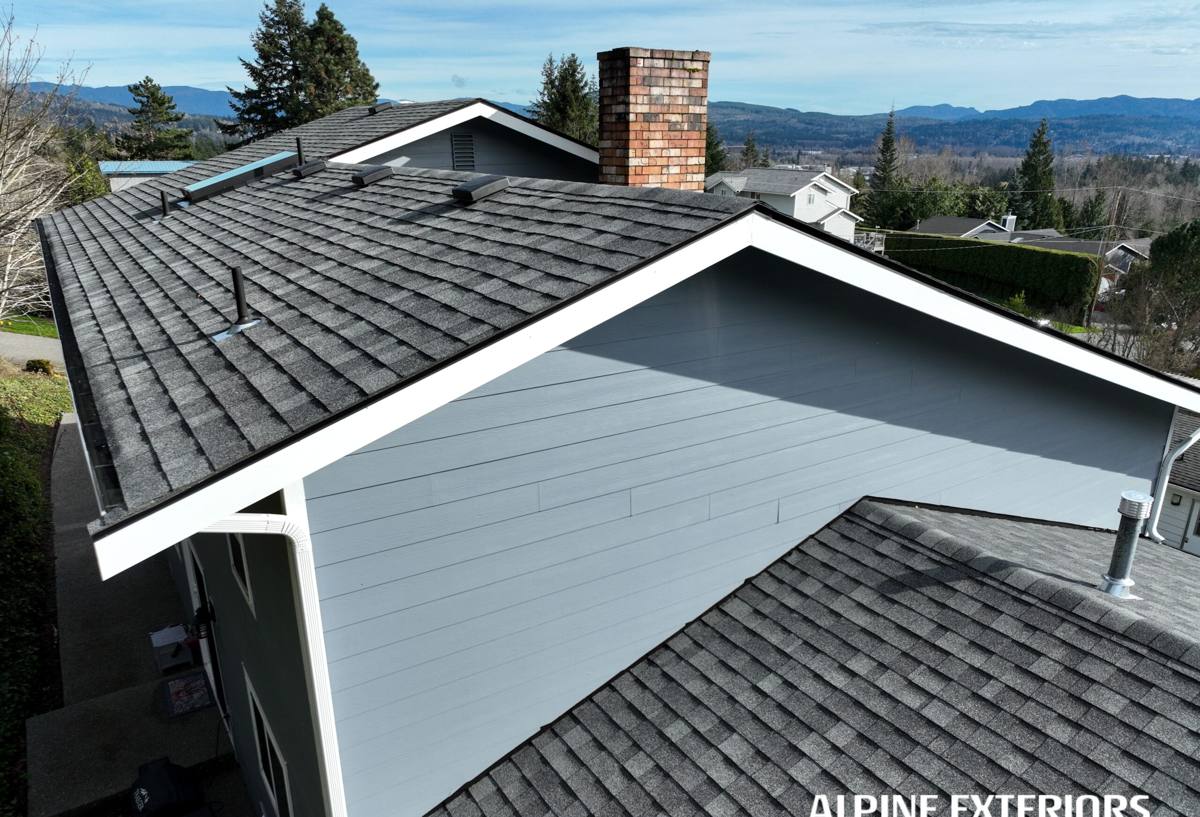
When Repair Isn't Enough: Signs You Need a Full Replacement
Not every roof problem calls for a full tear-off. A missing shingle after a storm, a small flashing leak around a vent pipe, or an isolated soft spot can often be repaired. But there's a point where patching stops making financial sense and starts becoming a pattern of throwing money at a roof that's simply worn out.
- The roof is nearing or past the manufacturer's expected service life for its material and installation conditions
- Granules are collecting in gutters and downspouts in noticeable amounts, not just after a storm
- Shingles are curling, cupping, or cracking across large sections rather than in one isolated spot
- You've had more than one or two repair visits in the last couple of years for different leaks
- There's visible sagging in the roof deck, or soft spots you can feel when walking sections of the attic
- Daylight is visible through the roof boards from inside the attic
- Previous repairs used mismatched materials or shortcuts that are now failing
If you're seeing two or more of these, it's worth getting a straight answer on whether repair or replacement is the better use of your money — not just a sales pitch for whichever is more profitable to sell.
What a Proper Roof Replacement Actually Involves
A roof replacement is more than a new layer on top. Done right, it's a full system rebuild from the deck up, and skipping steps here is exactly how homeowners end up with a roof that looks fine for a year or two and then fails.
Tear-Off and Deck Inspection
Old roofing material comes off completely so the deck underneath can actually be seen and inspected. This is the step some cheaper bids try to skip by nailing new shingles over old ones — it saves labor time, but it traps moisture, hides rot, and voids most manufacturer warranties. Any damaged or soft decking should be replaced before anything new goes on top of it.
Underlayment and Flashing
The underlayment is the roof's real waterproofing layer — the shingles are the first line of defense, but the underlayment is what keeps wind-driven rain out when shingles get pushed or lifted in a storm. Flashing around chimneys, vent pipes, skylights, and roof-to-wall transitions is where the majority of leaks actually originate, so this detail work matters more than the shingle brand itself.
Ventilation
Attic ventilation doesn't get much attention from homeowners, but in a climate like ours it directly affects how long shingles last. A hot, poorly ventilated attic bakes the underside of the roof deck and shortens shingle life from the inside out. Proper intake and exhaust ventilation keeps attic temperatures more reasonable and helps the whole system perform closer to its rated lifespan.
Choosing the Right Roofing Material for Carrollwood
There's no single "best" roofing material — the right choice depends on your budget, how long you plan to stay in the home, and how much maintenance you're willing to do. Here's an honest breakdown of the main options homeowners in this area weigh against each other.
| Material | Typical Lifespan | Wind/Storm Performance | Maintenance |
|---|---|---|---|
| Architectural (dimensional) shingles | 20–30 years | Good, especially with proper nailing and high wind-rated products | Low; periodic inspection after storms |
| 3-tab shingles | 15–20 years | Lower wind rating than architectural shingles | Low, but shorter service life |
| Standing seam metal | 40–50+ years | Excellent uplift resistance when properly fastened | Very low; occasional fastener/seam checks |
| Concrete or clay tile | 40–50+ years | Strong wind resistance, but individual tiles can crack from impact | Moderate; cracked tiles need timely replacement |
For most Carrollwood homes, architectural shingles remain the practical middle ground: strong wind ratings when installed correctly, a reasonable lifespan, and a cost that fits typical budgets. Metal and tile cost more upfront but can make sense for homeowners planning to stay long-term or who want to minimize future roofing decisions altogether.
Wind Mitigation, Permits, and Insurance in Hillsborough County
Roof replacements in Hillsborough County go through the permitting process, and for good reason — the county's building code reflects lessons learned from decades of Florida storm seasons. A replacement done to current code, with the right fastening patterns, sealed roof decking, and secondary water barrier where required, isn't optional paperwork; it's what actually keeps the roof on the house in high wind.
There's also a financial upside. A new roof installed to current code typically qualifies for a wind mitigation inspection, which can lower your homeowners insurance premium. That inspection documents things like roof shape, deck attachment, and roof-to-wall connections — all details that should already be part of a correctly executed replacement, not extra add-ons.
Our Replacement Process, Start to Finish
Homeowners generally want to know two things before signing anything: what exactly is going to happen, and how long it's going to disrupt their household. Here's the general sequence for a Carrollwood roof replacement:
- On-site inspection and honest assessment — walking the roof and attic, checking for deck damage, ventilation issues, and the true condition of flashing points before recommending replacement over repair.
- Written estimate with material options — a clear scope of work, not a vague number, so you know what you're comparing if you get more than one quote.
- Permitting — pulling the required Hillsborough County permit before work begins, not after.
- Material delivery and site protection — landscaping, driveways, and gutters protected before tear-off starts.
- Tear-off and deck repair — old material removed, deck inspected, any damaged sections replaced.
- Underlayment, flashing, and ventilation installed — the system that actually keeps water out, done before the visible roofing goes on.
- New roofing installed to code and manufacturer spec — including wind-rated fastening patterns.
- Final cleanup and magnetic sweep for nails — yard and driveway cleared, debris hauled off.
- Final inspection and paperwork — permit closeout and documentation you'll want for insurance or resale.
Why Hiring a Crew That Already Works in Carrollwood Matters
A roofing crew that regularly works Carrollwood knows the neighborhood's mix of home styles and roof pitches, has already dealt with the county's permitting office, and understands how the area's tree cover and drainage patterns tend to affect roof wear. That familiarity translates into fewer surprises during the estimate and fewer change orders once work begins.
It also matters after the job is done. A local crew is the one you can actually call back for a post-storm check or a warranty question, rather than chasing down a company that only shows up in the area when they're running a promotion. In a region where hurricane season is an annual event, having a roofer who's still local and reachable the following year isn't a small thing.
Cost Factors to Understand Before You Get Quotes
Every roof replacement quote is different, and the honest answer to "how much will this cost" is that it depends on several factors that a fair contractor should walk through with you rather than bury in fine print. Roof size and pitch, the number of layers currently on the roof, the extent of any deck repair needed, material choice, and the complexity of the roofline (valleys, dormers, chimneys) all move the number. Broadly speaking, a straightforward architectural shingle replacement on a typical single-family home in this area often lands somewhere in the low-to-mid five figures, with metal or tile running higher. Anyone quoting a firm number without inspecting your roof first is guessing — and so is anyone who won't put the scope of work in writing.
Questions Worth Asking Before You Sign
- Is the estimate itemized, or just a single lump number?
- Does the price include deck repair if rot is found, or is that a separate charge later?
- Who is pulling the permit, and is that cost included?
- What underlayment and flashing materials are specified, not just the shingle brand?
- What's the manufacturer's warranty, and does it require certified installation to stay valid?
- How is cleanup and debris disposal handled?
- Can they provide proof of current license and insurance before work starts?
Getting the Roof Right the First Time
A roof replacement is one of the largest single investments most homeowners make in their property, and it's not one where cutting corners pays off later — not in a climate that puts this much UV, wind, and rain on a roof every single year. The goal isn't just a roof that looks new; it's a system, from deck to flashing to shingle, that's built to actually perform through a Tampa Bay hurricane season and keep performing for decades after.
If you're weighing repair versus replacement, or just want a clear, no-pressure look at what your Carrollwood roof actually needs, we're glad to come take a look and give you a straight answer. Use the form below to request a free estimate.