 Tampa Window
 Roofing in Hyde Park: Built for a Different Climate Than It Was Designed For
Hyde Park is one of Tampa's older, established neighborhoods, and that shows in the roofs. You'll find a mix of roof ages and styles here — original framing on historic bungalows and Craftsman-style homes, additions built decades apart, and newer roofs installed after a renovation or a storm claim. Whatever the age, every roof in this neighborhood is fighting the same battle: Tampa Bay's climate does not go easy on a roof system.
Hurricane-force winds during storm season can lift shingles, pry at ridge caps, and drive rain sideways under flashing that would stay dry in a normal downpour. Between storms, Hillsborough County's intense, near year-round UV exposure bakes shingles, dries out sealants, and ages roofing materials faster than the same products would age in a milder climate. Add the humidity and afternoon thunderstorm pattern typical of the Tampa area, plus a measure of salt air drifting in from the bay, and you get a roof environment that punishes shortcuts. A repair that would hold up fine somewhere inland can fail here in a season or two if it's not done with this climate in mind.
That's the lens we bring to every Hyde Park roof repair: not "patch it and move on," but "patch it so it survives the next storm season."
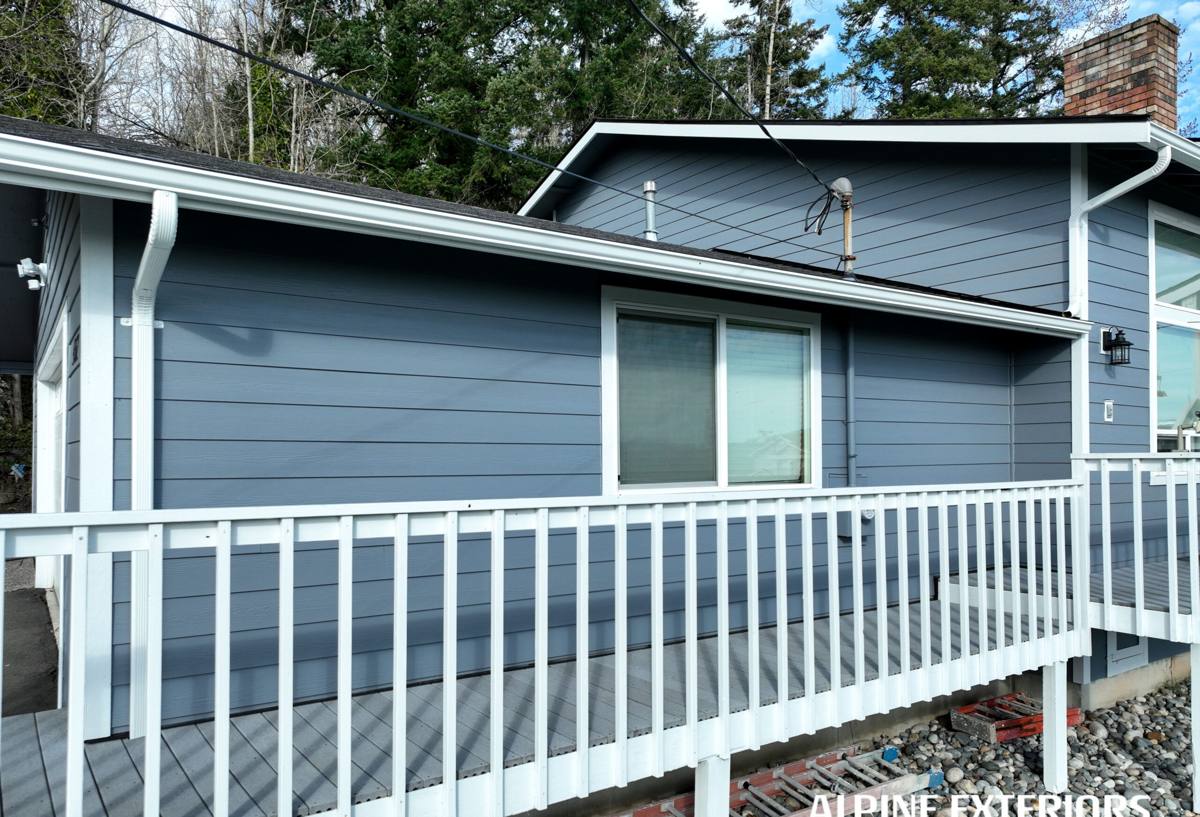
The Repairs We See Most Often in Hyde Park
Wind and Storm Damage
After a strong wind event, the most common calls are lifted or missing shingles, creased shingles that have lost their seal, and damaged ridge caps along the roof's peak. Wind doesn't need to remove a shingle outright to cause a leak — it just needs to break the seal enough for wind-driven rain to get underneath.
Flashing Failures
Flashing is the metal or sealant detail around anything that penetrates the roof plane — chimneys, vent stacks, skylights, and the joints where a roof section meets a wall or a lower roof on an addition. On older Hyde Park homes with additions built at different times, these transition points are consistently where we find active leaks. Flashing has a working life shorter than the roofing material around it, and it's often the first thing to fail.
Sun and Heat Breakdown
Constant UV exposure dries out asphalt shingles, causing granule loss and brittleness, and it degrades rubber boots around vent pipes and the sealant at flashing edges. These aren't dramatic failures — they're slow ones, and they tend to show up as a small stain on a ceiling long before anyone sees a problem from the ground.
Ponding and Flat or Low-Slope Sections
A lot of homes in this neighborhood have a rear addition, porch roof, or garage tie-in with a lower slope than the main roof. Low-slope sections drain more slowly, so any weak point in the roofing membrane or flashing has more time to let water in before it runs off. These areas deserve extra attention during any inspection.
What a Correct Roof Repair Actually Involves
A roof repair is only as good as the diagnosis behind it. Sealing over a visible crack or slapping a patch on a stain doesn't fix a leak if the water is actually entering somewhere else and traveling along the decking before it shows up. A repair done right starts with tracing the leak to its actual source, which sometimes means checking the attic from the inside as well as the roof surface from the outside.
Once the source is confirmed, a correct repair means:
- Removing and replacing damaged shingles or roofing material rather than covering over them
- Matching the existing material as closely as possible for both appearance and proper water shedding
- Rebuilding flashing details correctly instead of relying on sealant alone to bridge a gap
- Checking and, where needed, repairing the decking underneath — a leak that's been active for a while can soften plywood decking, and shingles over soft decking will fail again quickly
- Confirming the surrounding area is sound, not just the specific failure point, so we're not back for the same roof next season
Sealant-only fixes have their place for very minor issues, but they're a short-term measure, not a repair — and we'll always tell you which one you're getting.
How We Handle a Hyde Park Roof Repair Call
Our process is straightforward because it doesn't need to be complicated — it needs to be thorough.
- Inspection. We look at the roof surface and, where relevant, the attic underside to find the actual source of the problem, not just where the water is showing up inside the house.
- A plain-English explanation. We tell you what's actually wrong, what caused it, and what your realistic options are — repair, a larger repair, or a conversation about replacement if the roof is past the point where repair makes sense.
- A written scope and price before any work starts, so there's no ambiguity about what's being done.
- The repair itself, done with materials matched to your existing roof and flashing rebuilt properly, not just re-sealed.
- Cleanup and a final check, including a look at the repair from inside the attic when applicable, so you're not left wondering whether it actually solved the problem.
If your repair is tied to storm damage and you're working with an insurance claim, we document the damage clearly and can provide the kind of photos and written detail an adjuster needs to see.
Repair or Replace? How to Think About It
Not every roof problem calls for a full replacement, and not every roof is worth continuing to repair. Here's a general framework, not a rigid rule — every roof still needs an actual inspection before a real recommendation.
| Situation | Repair usually makes sense | Replacement is worth discussing |
|---|---|---|
| Roof age | Well within its expected service life | Near or past the end of its expected life for the material |
| Damage pattern | Isolated — one section, one flashing detail, storm damage in a limited area | Widespread — multiple leak points, granule loss across the whole surface |
| Decking condition | Solid, no soft spots | Soft or damaged decking found in more than one area |
| Repair history | First or second repair on this roof | Repeated repairs to the same general area over recent years |
| Shingle condition nearby | Surrounding shingles are still flexible and well-sealed | Surrounding shingles are brittle, curling, or losing granules broadly |
When a roof is genuinely on the fence, we'll tell you that too, rather than pushing one direction. A repair that buys a few more solid years is often the right call, and we'd rather be honest about that than sell a replacement before it's needed.
What Roof Repair Cost Depends On
We're not going to give you a number without seeing the roof, but the honest range for most repairs depends on a handful of factors:
| Factor | Why it matters |
|---|---|
| Size and location of the damage | A single flashing repair costs far less than replacing shingles across a whole slope |
| Roof pitch and access | Steeper roofs and hard-to-access sections take more time and safety setup |
| Decking condition | Soft or rotted decking underneath adds material and labor beyond the surface repair |
| Material match | Matching an older or discontinued shingle color or profile can add time and sourcing cost |
| Number of penetrations involved | Chimneys, skylights, and multiple vent stacks each add flashing work |
Ask for specifics on your roof rather than relying on a broad online estimate — a five-minute inspection tells us far more than any general price range can.
A Homeowner's Roof-Check Checklist
Between professional inspections, these are worth a quick look yourself — from the ground or from inside the attic, no ladder required:
- Ceiling stains, especially near chimneys, skylights, or where a lower roof meets the main house
- Shingle granules collecting in gutters or at the base of downspouts
- Visibly curling, cracked, or missing shingles from the ground or a neighbor's-eye view
- Daylight visible through the roof decking when looking up from inside the attic
- Damp or discolored insulation in the attic
- Sagging in any part of the roofline
- A fresh check after any named storm or period of sustained high wind, even if nothing looks obviously wrong from the ground
If you notice any of these, it's worth getting a look sooner rather than later. Roof leaks rarely get smaller on their own.
Why a Crew That Already Works in Hyde Park Matters
Roof repair isn't just a set of materials — it's local knowledge applied correctly. A crew that regularly works this neighborhood knows the kind of roof framing and material combinations common to Hyde Park's older housing stock, understands Hillsborough County permitting requirements for roof work, and is familiar with the access realities of narrow lots, mature tree canopy, and homes set close together. That familiarity means fewer surprises once we're actually on the roof.
It also means we're not learning the Tampa climate on your roof. We already know that a repair here needs to account for wind uplift, sustained UV exposure, and wind-driven rain — not just be watertight on a calm, dry day when the work gets done. That's the difference between a repair that holds through the next storm season and one that needs to be redone.
If you've noticed a stain, a missing shingle, or you just want a second opinion on a roof issue in Hyde Park, we're glad to take a look. Request a free, no-pressure estimate using the form below and we'll get back to you with a straight answer.