 Tampa Window
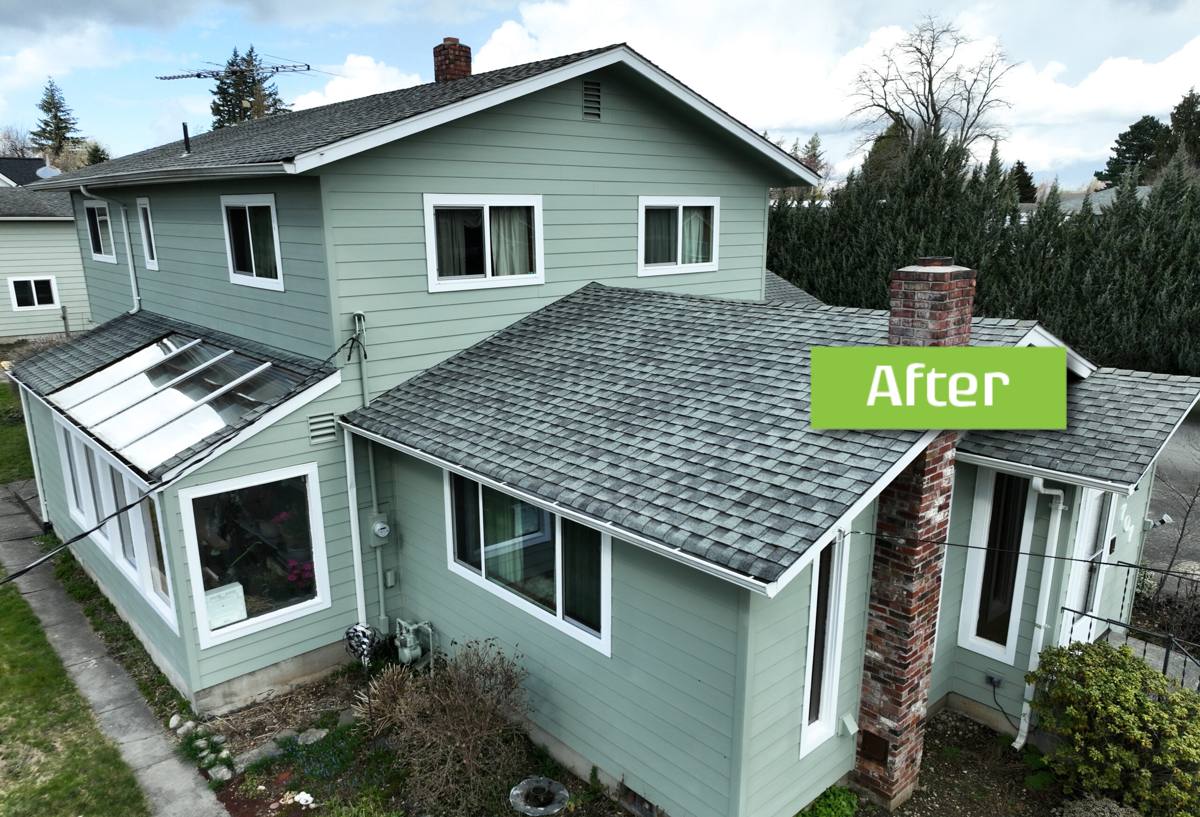
 New Roof Installation in Riverview, Florida
Riverview has grown fast over the past two decades, and that growth means a lot of roofs going up at once — many of them now old enough to need a first or second replacement. Whether your home is an older Riverview build from before the area's big expansion or a newer construction house whose builder-grade roof is finally showing its age, a new roof installation here has to answer to Hillsborough County's climate first and everything else second. That means hurricane-force wind resistance, sustained UV exposure nearly year-round, and heavy, wind-driven rain that finds every weak seam in a roofing system.
This page covers what a correctly installed roof in Riverview actually requires, how we approach the job from tear-off to final inspection, and why local experience matters more than most homeowners realize when they're comparing quotes.
What Riverview's Climate Demands From a Roof
Tampa Bay area roofs work harder than roofs almost anywhere else in the country. A few climate realities shape every decision we make on a Riverview roof installation:
Hurricane and Straight-Line Wind Loads
Hillsborough County building code requires roofing systems to meet specific wind-uplift ratings, and for good reason. Tropical storms and hurricanes bring sustained winds and gusts that can peel back improperly fastened shingles or underlayment in a matter of minutes. The fastening pattern, nail count, and underlayment attachment method all matter more here than in milder climates — cutting corners on any of these is where roofs fail first.
Year-Round UV Exposure
Central Florida sun is intense for most of the year, and constant UV bombardment breaks down roofing materials faster than in northern states. Asphalt shingle granules degrade, sealant strips weaken, and lesser-grade materials can become brittle years ahead of their rated lifespan. Material selection and proper attic ventilation both play a role in slowing this down.
Wind-Driven Rain
It's not just how much rain falls — it's the angle it falls at. Wind-driven rain during Florida's storm season can push water sideways under shingles, around vents, and into any gap in flashing that a calmer climate roof might get away with. This is why underlayment quality and flashing detail work carry more weight in a Riverview installation than in most parts of the country.
Humidity and Salt Air Influence
Riverview sits inland from Tampa Bay, but the region still sees enough salt-laden air movement off the Gulf and bay to accelerate corrosion on exposed metal fasteners, flashing, and vent components over time. Choosing corrosion-resistant hardware isn't optional here — it's part of building a roof that lasts.
Signs a Riverview Home Needs a New Roof
Homeowners often wait too long because a roof can look fine from the ground while failing underneath. Watch for these signs:
- Shingles that are curling, cupping, or losing granules in visible patches
- Soft spots or noticeable sagging anywhere on the roof deck
- Daylight visible through the attic roof boards
- Water stains on ceilings or in the attic after heavy rain
- Missing shingles or exposed nail heads after a storm
- A roof approaching or past 20 years old, or one that's already had multiple repairs
- Rising energy bills that suggest failing attic ventilation or insulation gaps at the roofline
If you're seeing two or more of these, a repair may only buy a little time. A full replacement is usually the more cost-effective choice once a roof is failing in multiple places at once.
What a Correct New Roof Installation Actually Involves
A new roof is more than shingles laid over the old ones. Every layer of the system has a job to do, and skipping or shortcutting any one of them is where premature failures start.
1. Tear-Off and Deck Inspection
We remove the existing roofing material down to the deck rather than layering over it. This lets us actually see the condition of the plywood or OSB sheathing underneath — rot, soft spots, and old water damage are common in Florida homes and need to be addressed before anything new goes down. Installing a new roof over a compromised deck just hides the problem.
2. Deck Repair
Any damaged sheathing gets cut out and replaced with matching material, properly fastened to code. This step gets skipped by corner-cutting crews more often than any other, and it's the one that causes the most expensive problems down the line.
3. Underlayment
In a climate with this much wind-driven rain, underlayment is a genuine second line of defense, not a formality. Self-adhering underlayment at eaves, valleys, and penetrations gives extra protection where water intrusion is most likely.
4. Flashing and Penetrations
Chimneys, vent stacks, skylights, and roof-to-wall transitions are where most leaks actually originate — rarely the open field of shingles. New flashing, properly integrated with the underlayment and roofing material, is standard on every installation we do, not an upsell.
5. Roofing Material Installation
Whatever material you choose, it needs to be installed to the fastening pattern and nailing schedule the manufacturer and Hillsborough County code require — not a faster, looser pattern that saves the crew an hour. This is the single biggest factor in wind performance.
6. Ventilation Check
Proper intake and exhaust ventilation keeps attic temperatures and moisture in check, which extends the life of the roofing material and helps with energy efficiency. We check existing ventilation and correct it when it's inadequate, which is common on older Riverview homes.
7. Final Inspection and Cleanup
Every installation is checked against code and manufacturer specifications before we consider the job finished, and the property is cleared of debris and nails using magnetic sweeps.
Roofing Material Options for Riverview Homes
There's no single "best" roofing material for every home — the right choice depends on budget, roof pitch, architectural style, and how long you plan to stay in the home. Here's an honest comparison of the main options we install:
| Material | Typical Lifespan | Wind Performance | Considerations |
|---|---|---|---|
| Architectural Asphalt Shingles | 20–30 years | Good, with proper fastening and rated products | Best balance of cost and performance for most Riverview homes |
| 3-Tab Asphalt Shingles | 15–20 years | Lower wind rating than architectural shingles | Lower upfront cost but shorter service life in this climate |
| Metal Roofing | 40–50+ years | Excellent when properly installed | Higher upfront cost, strong long-term value, good UV and heat performance |
| Tile (Concrete or Clay) | 50+ years | Very good when fastening and underlayment are done correctly | Heavier structural load; requires deck and truss capacity to support it |
We'll walk through these trade-offs honestly during your estimate rather than steering you toward whichever product carries the best margin. The right answer depends on your home, not a one-size-fits-all recommendation.
What Drives the Cost of a New Roof in Riverview
Every roof is priced individually after inspection, but these are the main factors that move the number up or down:
| Factor | Why It Matters |
|---|---|
| Roof size and number of facets | More square footage and more complex roof lines mean more material and labor |
| Pitch and accessibility | Steeper or harder-to-access roofs require more safety equipment and time |
| Material choice | Asphalt, metal, and tile carry very different material and labor costs |
| Deck condition | Rotted or damaged sheathing found during tear-off adds repair cost |
| Number of penetrations | Chimneys, skylights, and multiple vent stacks each need proper flashing |
| Permit and code requirements | Hillsborough County wind-zone requirements affect fastening specs and materials allowed |
We give straightforward, itemized estimates so you know exactly what you're paying for and why — no vague lump-sum numbers that hide what's actually being done.
Our Process, Start to Finish
- Inspection and estimate: We assess your current roof, attic, and ventilation, and give you a clear, written estimate with no pressure to decide on the spot.
- Material selection: We go over your options and their trade-offs based on your budget, home style, and how long you plan to own the property.
- Permitting: We pull the required Hillsborough County permits before work begins — this isn't optional, and it protects you if there's ever an insurance claim down the road.
- Tear-off and deck inspection: Old material comes off, and the deck is inspected and repaired as needed.
- Installation: Underlayment, flashing, and roofing material go on to code and manufacturer spec.
- Final walkthrough: We inspect the finished roof with you and answer any questions before we consider the job done.
Why Local Riverview Experience Matters
A crew that works Riverview and the surrounding Tampa area regularly knows the local permitting process, the wind-zone requirements specific to Hillsborough County, and the common problem areas on the housing stock in this part of the county — from builder-grade roofs on newer developments to older homes that have been through several storm seasons already. That familiarity translates into fewer surprises during tear-off, a smoother permitting process, and a roof that's actually built for what it's going to face here, not a generic installation borrowed from a milder climate.
It also matters after the job is done. A local, established crew is easier to reach if you ever have a warranty question or notice something after a major storm — not a name you found once and can't track down again.
Simple Roof Maintenance Checklist for Riverview Homeowners
- Have your roof visually inspected after every major storm season
- Keep gutters and downspouts clear so water isn't backing up under the roof edge
- Trim overhanging branches that can drop debris or cause abrasion during high winds
- Check attic ventilation isn't blocked by insulation or debris
- Watch for granule buildup in gutters, a sign of shingle wear
- Address small leaks immediately rather than waiting for them to spread
If you're seeing signs of wear, dealing with storm damage, or simply planning ahead for a roof that's aging out, we'd be glad to take a look and give you a straight answer about what your home actually needs. Fill out the form below for a free, no-pressure estimate.