 Tampa Window
 Building Decks That Actually Hold Up in Riverview
Riverview sits in one of the fastest-growing parts of Hillsborough County, and a lot of the housing stock here is newer than in older Tampa neighborhoods. That's good news for foundations and drainage grading, but it doesn't change what the weather does to an outdoor structure. A deck in Riverview spends its life under intense sun, gets soaked by sudden afternoon storms, and has to survive the occasional hurricane-force wind event without the fasteners backing out or the ledger board pulling away from the house. Building one correctly here isn't about picking a pretty board — it's about getting the framing, fasteners, and material choice right for a climate that punishes shortcuts.
This page covers what we actually do when we build a custom deck for a Riverview home: the decisions that matter, the code requirements that apply, and what separates a deck that lasts fifteen-plus years from one that starts showing problems in three.
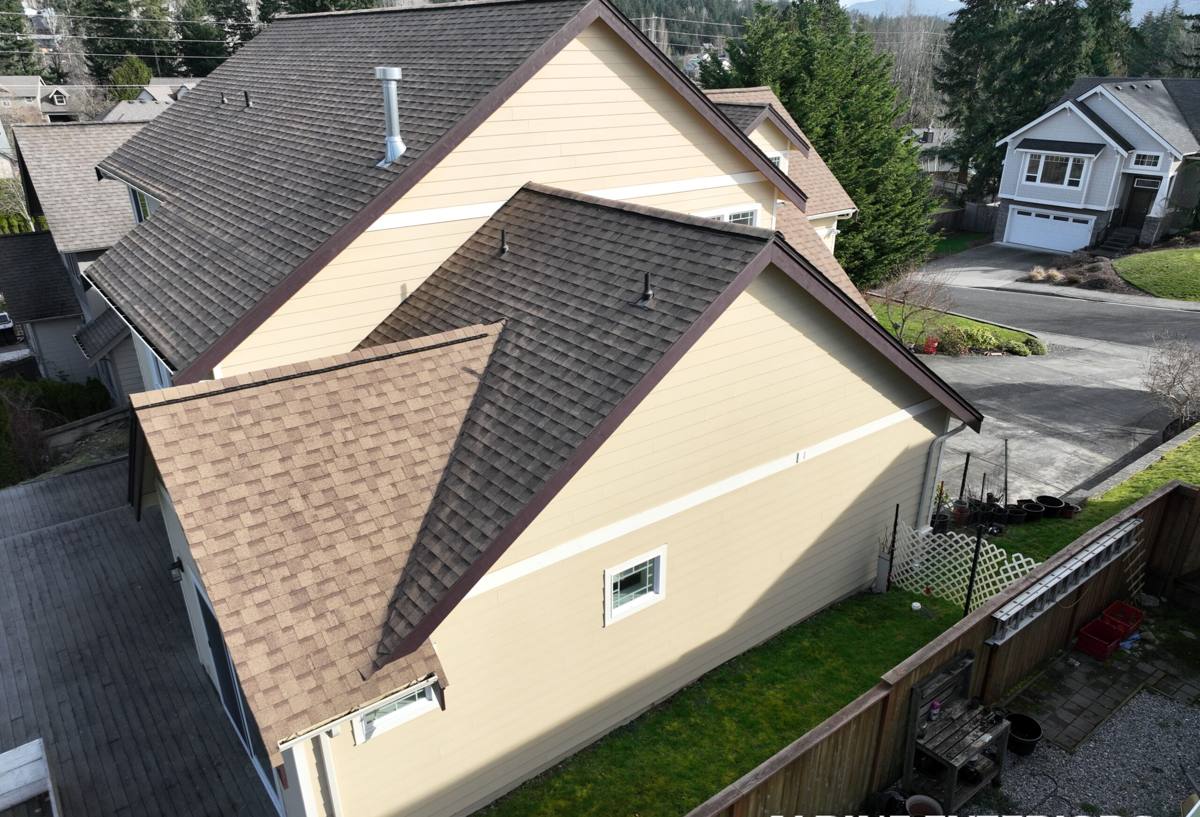
What Riverview's Climate Does to a Deck
Central Florida weather is hard on any exterior structure, and decks take more of a beating than most because they're horizontal, exposed on every side, and sit low to grade where moisture lingers.
- UV exposure: Year-round sun bleaches color out of unprotected wood and can degrade lower-grade composite decking faster than the warranty assumes, especially on south- and west-facing decks with no shade.
- Wind-driven rain: Afternoon storms don't fall straight down here — they blow in sideways, which means fastener heads, board gaps, and ledger flashing all have to handle water hitting them from an angle, not just from above.
- Humidity: Constant moisture in the air keeps wood decking from ever fully drying between rain events, which is exactly the condition that lets rot and fastener corrosion get started.
- Storm wind loads: Riverview isn't immune to hurricane-force gusts, and an under-built deck — particularly one with weak ledger attachment or undersized post footings — is a real failure point in high wind.
- Salt-influenced air: Tampa's proximity to the bay means even inland communities like Riverview see some salt content in the air, which accelerates corrosion on standard fasteners and hardware over time.
None of this means a deck can't last in Riverview. It means the build has to account for these conditions from the framing up, not just at the surface.
Material Options for a Riverview Deck
There's no single "best" decking material — it depends on budget, how much upkeep the homeowner wants to do, and how the deck will be used. Here's how the common options actually compare for our climate.
| Material | Upfront Cost | Maintenance | How It Handles Our Climate |
|---|---|---|---|
| Pressure-treated pine | Lowest | Annual sealing/staining recommended | Affordable and strong, but needs consistent upkeep or UV and humidity will gray and crack it within a few seasons |
| Tropical hardwood (e.g. ipe-type species) | High | Periodic oiling to maintain color | Naturally dense and rot-resistant; handles humidity well but is heavier on framing requirements and pricier to install |
| Capped composite decking | Mid-high | Occasional washing, no sealing/staining | Strong UV and moisture resistance from the cap layer; performs well here, but board quality varies a lot between product lines |
| PVC decking | Highest | Lowest — soap and water | Fully synthetic, doesn't absorb moisture, very stable in heat and humidity, but has a distinct look and feel some homeowners don't prefer |
We'll walk through the real trade-offs for your budget and how you use the space — a deck that gets full afternoon sun and heavy grill use has different priorities than a shaded deck used mainly for evening seating.
A Note on Composite and PVC Quality
We're selective about which composite and PVC lines we install. Entry-level composite boards without a full cap layer can absorb moisture at the edges and swell over time in a climate this humid — that's not a defect claim against any specific brand, it's just a maintenance and warranty-structure reality we've learned to plan around. When we quote composite or PVC, we'll tell you honestly where a given product line has held up well in Florida conditions and where we'd steer you toward a different option instead.
Framing and Structural Requirements
The decking surface is what you see, but the framing underneath is what determines whether the deck survives a storm season. In Riverview, correct framing means:
Ledger Attachment
If the deck attaches to the house, the ledger board needs proper flashing and through-bolted (not just nailed or screwed) fastening into structural framing — not just siding. This connection is one of the most common failure points on older or DIY-built decks, and it's a load path that has to work correctly under both vertical load and lateral wind pull.
Footings
Post footings need to be sized and set to Florida Building Code depth and diameter requirements for the soil conditions on your lot. Undersized or shallow footings are a leading cause of decks that develop wobble or shift over a few years.
Joist Spacing and Hardware
Joist spacing has to match the decking material's span rating — composite and PVC boards often require tighter joist spacing than solid wood. We use corrosion-resistant structural hardware (joist hangers, post bases, hurricane ties where applicable) rated for treated lumber and coastal-adjacent humidity, not standard interior-grade connectors.
Beam and Post Sizing
Beam spans and post sizes get calculated for your specific deck footprint and height, not pulled from a generic table. A larger deck, a raised deck, or one carrying a hot tub or heavy furniture load needs its own structural math.
Fasteners, Flashing, and Moisture Management
This is where a lot of decks quietly fail years before anyone expects it. Wind-driven rain finds every gap, and standing water at the wrong spot rots framing from the inside out long before it's visible from above.
- Fastener grade: We use stainless steel or high-grade coated fasteners rated for treated lumber contact and humid, salt-influenced air — not standard zinc-coated screws that corrode and stain the decking within a couple of years.
- Ledger flashing: Proper flashing directs water away from the house band board instead of trapping it behind the ledger, which is a common cause of hidden rot on older decks.
- Board gapping: Correct gap spacing between boards lets water drain through instead of pooling, and accounts for the material's expansion and contraction in our heat.
- Joist tape: A protective tape barrier on top of the joists keeps standing water from soaking directly into the framing lumber, extending the structure's life significantly.
- Grading beneath the deck: We check that the ground under and around the deck actually drains, since standing water beneath a low deck creates a moisture and pest problem regardless of how good the decking above is.
Our Process, Start to Finish
We keep the process straightforward and give you real information at every stage instead of surprises.
- On-site consultation: We walk the space with you, talk through how you'll use the deck, discuss material options honestly, and take accurate measurements.
- Design and structural plan: We put together a layout and framing plan sized correctly for your footprint, height, and intended use — including any stairs, railings, or built-in features.
- Written estimate: You get a clear, itemized quote before any work starts — no vague allowances that turn into change orders later.
- Permitting: We handle the permit application and coordinate inspections with Hillsborough County so the deck is built and documented to code.
- Site prep and footings: We lay out and dig footings to the depth the plan calls for, checking soil conditions as we go.
- Framing: Ledger, posts, beams, and joists go in with corrosion-resistant hardware, correctly spaced and braced.
- Decking, railing, and finish work: Boards, railings, stairs, and any fascia or skirting go in last, with attention to gapping, fastener pattern, and clean edges.
- Final walkthrough: We go over the finished deck with you, point out any care instructions specific to your material, and make sure everything meets your expectations before we consider the job done.
Permitting and Code in Hillsborough County
Decks attached to a home, and most freestanding decks above a certain height, require a permit in Hillsborough County. This isn't paperwork for its own sake — the inspection process is what confirms your footings are deep enough, your ledger connection is structurally sound, and your railing height and baluster spacing meet code (important if you have kids or pets, and required regardless). Skipping the permit might save a little time upfront, but it can create real problems at resale, since an unpermitted structure often has to be disclosed and can complicate a home sale or insurance claim. We pull the permit and coordinate inspections as a standard part of the build, not an add-on.
Maintenance Expectations by Material
What you'll need to do after the deck is built depends heavily on what you chose. Here's a realistic picture so there are no surprises down the road.
| Material | Typical Upkeep | Realistic Lifespan Here |
|---|---|---|
| Pressure-treated wood | Clean and reseal/stain roughly every 1-2 years | 10-15 years with consistent maintenance |
| Hardwood | Periodic oiling if you want to maintain color; will gray naturally if left alone | 20+ years, very durable |
| Capped composite | Occasional wash down, no sealing needed | 20-25 years, product-dependent |
| PVC | Wash as needed, essentially no sealing or staining | 25+ years, very low upkeep |
We'll be upfront if a material you're leaning toward will demand more maintenance than you're expecting to put in — better to know that before the deck is built than after.
A Pre-Build Checklist for Riverview Homeowners
Before you commit to a deck project, here's what's worth thinking through:
- How much direct afternoon sun will the deck get, and does that change your material choice?
- Will the deck attach to the house, or sit freestanding — this affects both cost and structural approach
- Do you want low-maintenance decking, or are you comfortable with the upkeep wood requires?
- Will the deck need to support heavy items like a hot tub, outdoor kitchen, or large furniture?
- Is there adequate drainage and grading underneath and around the planned footprint?
- Have you confirmed setback and permit requirements for your specific property?
Why Hire a Crew That Already Works in Riverview
A deck built by a crew unfamiliar with Hillsborough County permitting or Central Florida framing requirements is a gamble — not because the work is necessarily bad, but because the details that matter here (fastener corrosion resistance, ledger flashing against wind-driven rain, footing depth for local soil, hurricane-rated connections) aren't universal best practices everywhere in the country. We build decks in this climate regularly, which means we're not guessing at what holds up against Tampa's sun, humidity, and storm season — we're applying what we've already seen work and avoid over and over. That local familiarity shows up in the small decisions: which hardware grade to spec, how tight to gap the boards, where to add extra bracing for wind exposure.
If you're planning a custom deck in Riverview, we're happy to come take a look at your space and talk through honest options for your budget and how you'll use it. Reach out for a free, no-pressure estimate using the form below.