 Tampa Window
 Riverview's Climate Is Hard on Roofs — Here's Why
Riverview sits in that stretch of Hillsborough County where the Alafia River corridor, fast residential growth, and Tampa Bay's weather patterns all meet. That combination puts a specific kind of stress on a roof that homeowners farther inland don't deal with in the same way. Asphalt shingles here aren't just shedding rain — they're absorbing months of intense UV exposure, cycling through sudden downpours and dry heat in the same afternoon, and occasionally taking a direct hit from hurricane-force wind gusts.
Three things drive most of the shingle roof problems we see in this area:
- UV degradation. Florida sun bakes the asphalt in shingles year-round, not just in summer. Over time this dries out the mat and causes granule loss, which is usually the first visible sign a roof is aging faster than its paperwork suggests.
- Wind-driven rain. It's not the rain itself that causes trouble — it's rain pushed sideways under shingle tabs and around flashing during tropical systems and seasonal thunderstorms. A roof that sheds water fine in a calm shower can still leak in a 60 mph gust if the seal strips or flashing details weren't done right.
- Storm wind exposure. Riverview isn't coastal, but it's still squarely in the path of tropical systems that move through Hillsborough County most hurricane seasons. Shingle uplift and blow-off are real risks, and the difference between a roof that holds and one that doesn't usually comes down to nailing pattern, sealant activation, and shingle wind rating — details that are easy to shortcut and hard to spot after the fact.
None of this means asphalt shingles are a bad choice for a Riverview home — they remain the most practical, cost-effective option for most roofs in this market. It means the installation and the materials both have to be matched to what this climate actually does to a roof over 15-20 years, not just what looks fine on installation day.
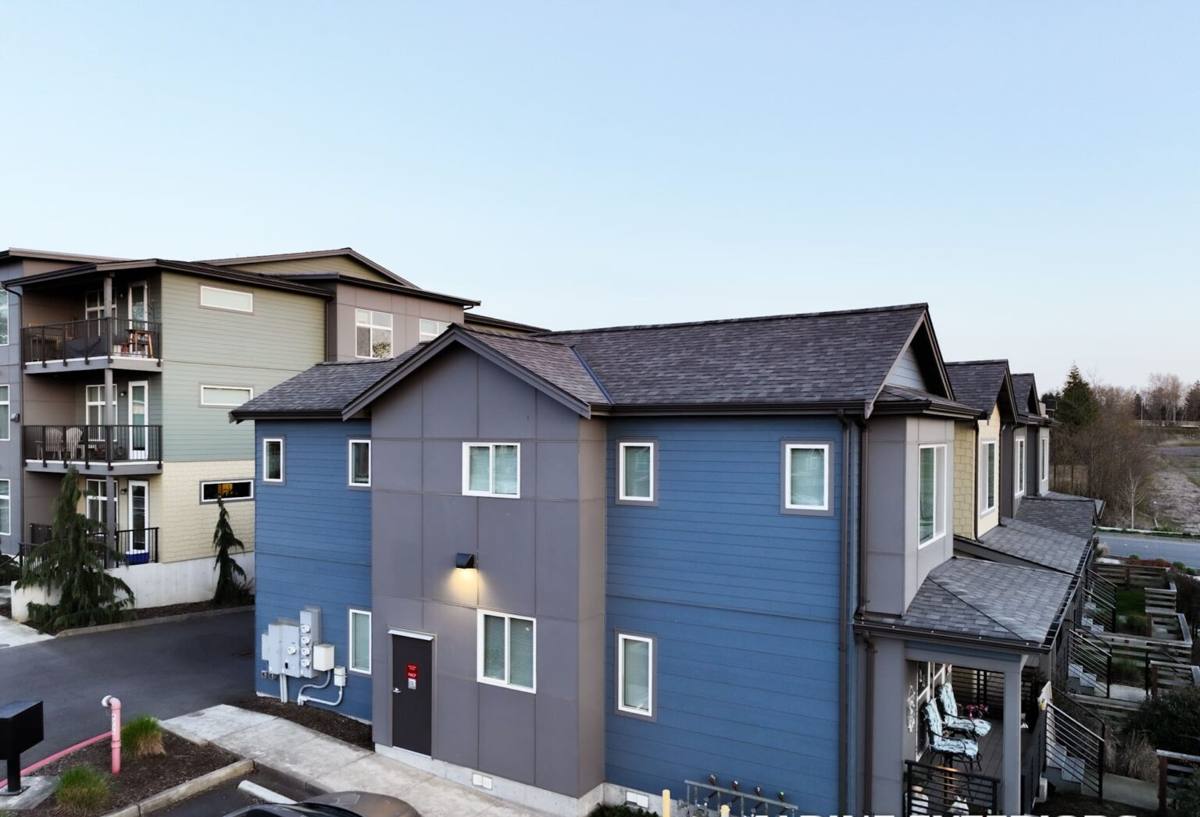
What a Correct Asphalt Shingle Roofing Job Actually Involves
A shingle roof is a system, not a single product. Homeowners often focus on the shingle color and skip past the parts that actually determine whether the roof performs in a storm or fails early. Here's what we consider non-negotiable on every job in this area:
Underlayment
The underlayment is the water barrier between the shingles and the roof deck. In Hillsborough County's climate, we lean toward synthetic or self-adhering underlayment in vulnerable areas — valleys, eaves, and around penetrations — because it holds up better against the heat and moisture cycling than older felt products, and it gives the roof a second line of defense if wind ever lifts a shingle.
Flashing
Flashing around chimneys, skylights, sidewalls, and roof-to-wall transitions is where most leaks actually start — not in the open field of shingles. Reusing old, dented, or rusted flashing to save time is one of the most common shortcuts we see on prior installs, and it's almost always where a "new roof" starts leaking within a year or two.
Ventilation
Attic ventilation matters more in this climate than people expect. A poorly ventilated attic traps heat, which accelerates shingle aging from underneath and can void manufacturer warranties. Balanced intake (soffit vents) and exhaust (ridge vents) keep attic temperatures more reasonable and extend the life of the shingles above.
Nailing Pattern and Sealant Activation
Shingle wind ratings are tested assuming correct nail placement — typically four to six nails per shingle, placed in the manufacturer's nailing zone, not just "close enough." Overdriven or underdriven nails, or nails placed above the strip, are a leading cause of blow-offs that have nothing to do with the shingle itself. Sealant strips also need real sun exposure and time to bond; a roof installed right before a storm hits may not have fully sealed yet.
Starter Strip and Ridge Cap
The starter course along eaves and rakes and the ridge cap along the peak are where wind uplift forces concentrate. Using actual starter shingle product (not just flipped standard shingles) and proper ridge cap shingles rated for the roof's wind exposure closes off the weakest points in the whole system.
Repair, Recover, or Full Replacement?
Not every Riverview roof issue means a full tear-off. Part of doing this job honestly is telling a homeowner when a repair is enough and when it isn't. Here's how we think through it:
| Situation | Typical Recommendation | Why |
|---|---|---|
| Isolated wind damage, roof under 10 years old | Repair | Shingle stock is likely still available and the underlying deck and underlayment are probably sound |
| Granule loss across large areas, roof 15+ years old | Full replacement | Widespread granule loss signals the mat is drying out roof-wide, not just in one spot |
| Multiple past patch repairs, mismatched shingle colors | Full replacement | Patchwork roofs rarely seal consistently and often mask deeper decking issues |
| Soft spots or sagging deck | Full replacement (deck repair included) | Water has likely compromised the plywood underneath — new shingles over a bad deck won't hold |
| Single active leak, roof otherwise in good shape | Targeted repair | Usually a flashing or penetration issue, not a shingle-wide failure |
Our Process for Riverview Homes
We keep the process straightforward because homeowners deserve to know what's happening to their roof and why, not just get a bill at the end.
- On-site inspection. We walk the roof (or use a drone where the pitch or access calls for it) and check the attic from inside, since ventilation and decking issues often show up there before they're visible outside.
- Honest assessment and written quote. We explain what we found in plain terms — what's failing, what's still fine, and what your real options are — with pricing broken out so you can see what you're paying for.
- Material selection. We walk through shingle options suited to this climate, including wind rating and warranty differences, so the choice matches your budget and how long you plan to stay in the home.
- Tear-off and deck inspection. Old shingles come off down to the deck so we can actually see the plywood underneath — this is the step that gets skipped on cheap "overlay" jobs, and it's where hidden rot or damage gets caught before it's covered up again.
- Underlayment, flashing, and shingle installation. Done in the order and manner described above, with attention to valleys, penetrations, and edges where storms find weaknesses first.
- Final walkthrough and cleanup. We check the finished roof with you, clear the site of debris and nails (magnetic sweep included), and go over warranty paperwork.
Cost Factors for Riverview Roofing Projects
We won't quote a number without seeing the roof, but these are the variables that actually move the price on most jobs in this area:
| Factor | Impact on Cost |
|---|---|
| Roof size and pitch | Steeper roofs take longer and require more safety equipment, raising labor cost |
| Number of layers to remove | Tear-off of multiple old layers adds disposal and labor time |
| Deck condition | Rotted plywood found during tear-off adds material and repair time not visible in an initial estimate |
| Shingle tier (3-tab vs. architectural vs. impact-rated) | Higher wind ratings and thicker shingles cost more per square but often reduce long-term repair and insurance costs |
| Roof complexity (valleys, dormers, penetrations) | More flashing detail work means more labor hours |
| Ventilation upgrades | Adding or correcting ridge and soffit venting is a smaller add-on cost with real payoff in shingle lifespan |
Choosing Shingles That Make Sense for This Area
Standard 3-tab shingles are still sold, but most Riverview homeowners we work with choose architectural (laminated) shingles, and for good reason — they carry higher wind ratings, hold up better to the UV load this region gets, and simply last longer under the same sun that ages a 3-tab roof faster. For homes wanting extra storm resilience, impact-rated shingle lines are worth discussing, particularly since some insurers offer premium discounts for impact-rated roofing in Hillsborough County. We'll walk through the real trade-offs — upfront cost versus expected lifespan and insurance impact — rather than pushing the most expensive option by default.
Pre-Storm-Season Checklist for Riverview Homeowners
A few minutes of attention before hurricane season can catch problems while they're still cheap to fix:
- Look for curling, cupping, or missing granules from the ground or a safe vantage point — don't climb onto the roof yourself
- Check gutters for excessive granule buildup, which signals accelerated shingle wear
- Note any daylight visible through the attic roof deck when the sun is up
- Look for water stains on interior ceilings, especially near chimneys, skylights, or where roof planes meet
- Check that ridge vents and soffit vents aren't blocked or damaged
- Confirm loose or lifted shingles are addressed before storm season, not after
Why a Crew That Already Works in Riverview Makes a Difference
Roofing code requirements, permitting steps, and typical construction styles vary by jurisdiction, and a crew that regularly works Hillsborough County projects already knows the local permitting process and inspection expectations instead of learning them on your job. Just as important is familiarity with how homes in this area were built — the roof pitches, deck materials, and common flashing details found on Riverview homes aren't identical to what you'd find in older, more coastal Tampa neighborhoods or newer developments farther out. A crew that's done this work locally, repeatedly, tends to catch the small things — an undersized valley, a vent stack that was never properly flashed — because they've already seen the pattern on the house down the street.
If your roof is showing its age, took storm damage, or you just want an honest read on how much life it has left, we're glad to come take a look. The estimate is free and there's no pressure — just a straight answer about what your roof needs and what it would cost to do right.